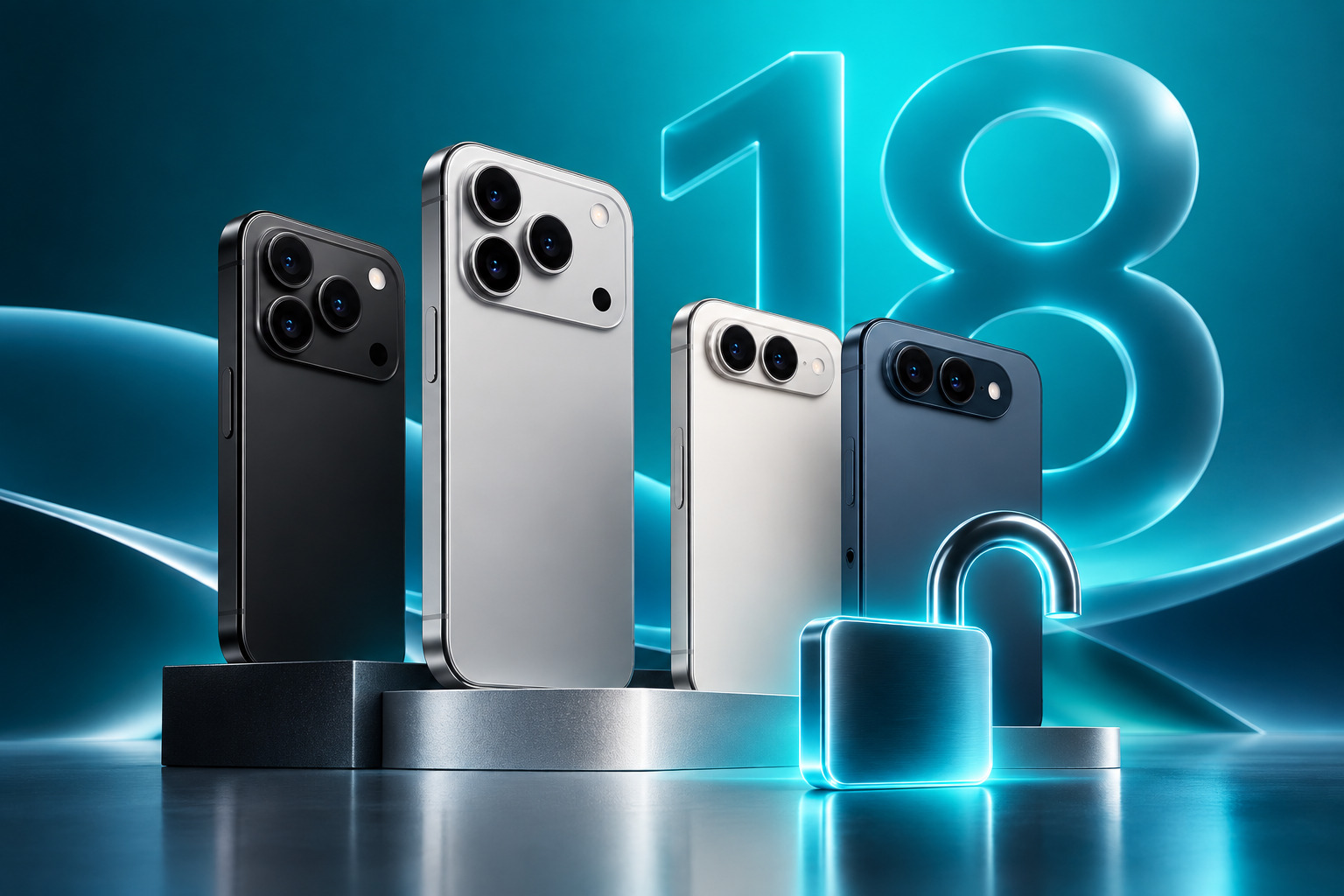
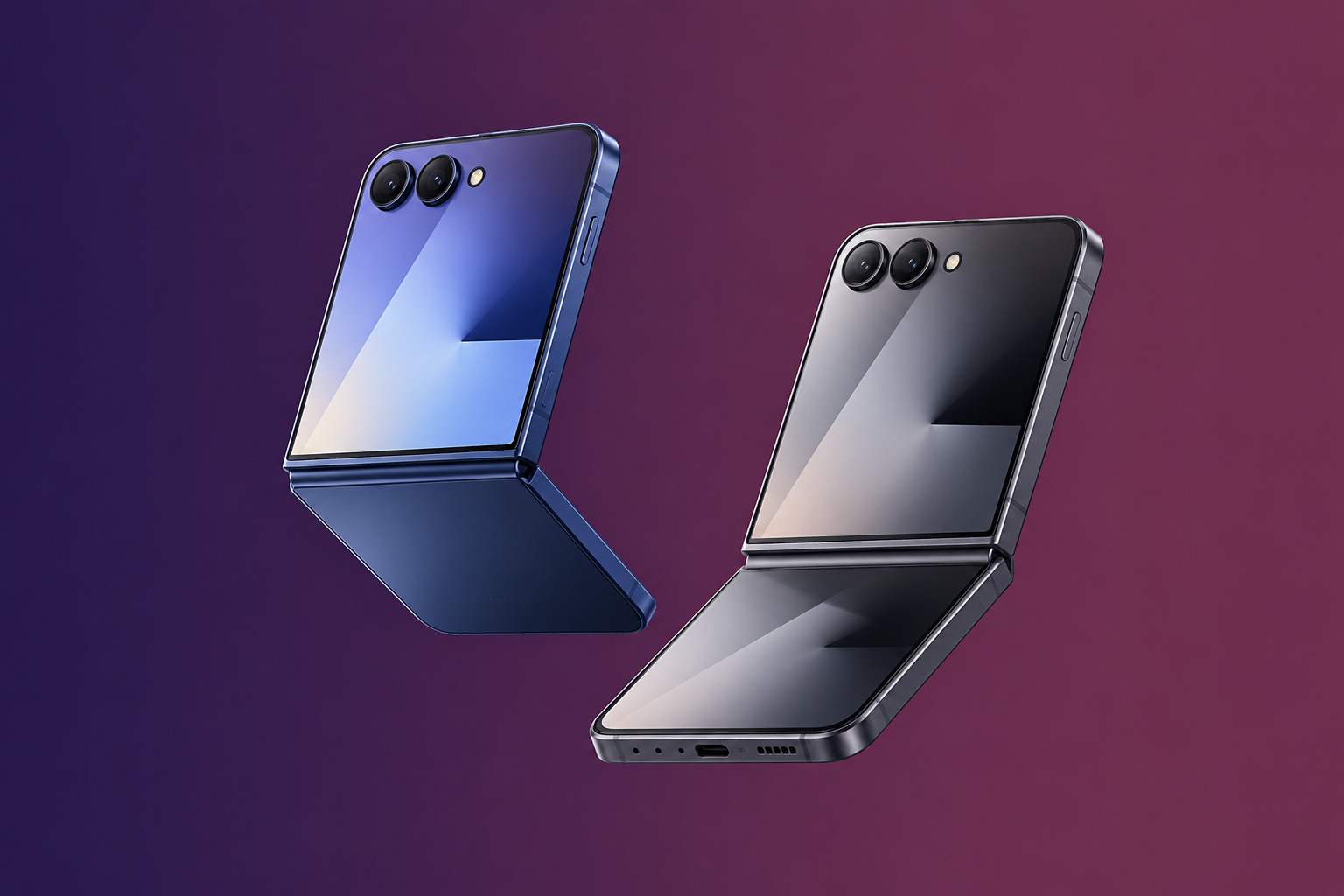
The new Apple generation is official, and iPhone 18 unlocking support is already live on UnlockBase. As of September 13, 2026, UnlockBase supports all three newly announced iPhone models—iPhone 18 Pro, iPhone 18 Pro Max and iPhone Duo—across all carriers currently offered through the platform.
Apple officially unveiled the iPhone 18 Pro, iPhone 18 Pro Max and its first foldable iPhone, the iPhone Duo, at its September event. The Pro models opened for pre-orders on September 12 ahead of availability on September 18, while iPhone Duo arrives later, with pre-orders beginning October 16 and availability on October 23.
For UnlockBase customers, there is no need to wait for support for Apple’s latest generation to be added. Unlocking services for the complete new 2026 lineup are already available.
Carrier unlocking across all networks currently supported for these models on UnlockBase
This includes Apple’s familiar Pro and Pro Max formats as well as the completely new iPhone Duo, the company’s first foldable smartphone. Apple has not released a standard iPhone 18 this September; the new 2026 lineup currently consists of the two Pro models and the Duo, with the standard iPhone 18 expected later.
Having support available from the beginning of a new iPhone generation is particularly useful for customers purchasing through carriers, importing devices, managing business inventory or planning to use their new iPhone with different compatible networks in the future.
As always, carrier unlocking and network compatibility remain separate considerations. An unlock removes the applicable carrier restriction; it does not change the hardware or guarantee compatibility with every network worldwide.
Why Early iPhone 18 Unlocking Support Matters
New flagship launches often create a period when consumers have the hardware before all third-party services have caught up.
That is not the case with the new Apple generation on UnlockBase.
Customers purchasing an eligible carrier-restricted iPhone 18 Pro or Pro Max can already find the relevant services rather than waiting weeks or months for the models to appear in the catalogue. The same support is already prepared for Apple’s new foldable iPhone Duo ahead of its retail availability.
This can matter for several types of users.
A buyer may want greater carrier flexibility after purchasing a subsidized or carrier-sold device. A reseller may need to prepare new-generation inventory for a wider range of customers. An international user may want the option to change compatible networks later.
Whatever the reason, the important point is simple: UnlockBase iPhone 18 support is live from the beginning of the new generation.
How to Unlock Your New iPhone 18
The ordering process remains straightforward.
Select your iPhone model and carrier. Choose iPhone 18 Pro, iPhone 18 Pro Max or iPhone Duo and identify the relevant original network.
Enter the required device and order information. Carefully provide the requested details for the selected service, including the correct IMEI where required.
Submit the unlocking request and follow the provided instructions. Requirements and processing conditions can vary by carrier and service, so use the instructions supplied for your specific order.
Before ordering, customers should always check the individual service description and eligibility requirements. Unlocking availability does not override outstanding carrier conditions, IMEI restrictions or other issues that fall outside a standard carrier unlock.
iPhone 18 Support Is Live Now
Apple’s 2026 launch introduces more than another annual Pro upgrade. Alongside the iPhone 18 Pro and iPhone 18 Pro Max, the iPhone Duo marks Apple’s first entry into the foldable smartphone category.
UnlockBase is ready for all three from the start.
The new iPhone generation has arrived, and UnlockBase is ready from day one. Unlocking services for iPhone 18 Pro, iPhone 18 Pro Max and iPhone Duo are now available across all supported carriers on UnlockBase.com.
Already have—or are getting—your new iPhone 18 Pro, Pro Max or Duo? Select your model and carrier on UnlockBase.com to check the available unlocking service and get started.
All products, and company names, logos, and service marks (collectively the "Trademarks") displayed are registered® and/or unregistered
trademarks™ of their respective owners.
The authors of this web site are not sponsored by or affiliated with any of the third-party trade mark or third-party registered trade mark owners,
and make no representations about them, their owners, their products or services.
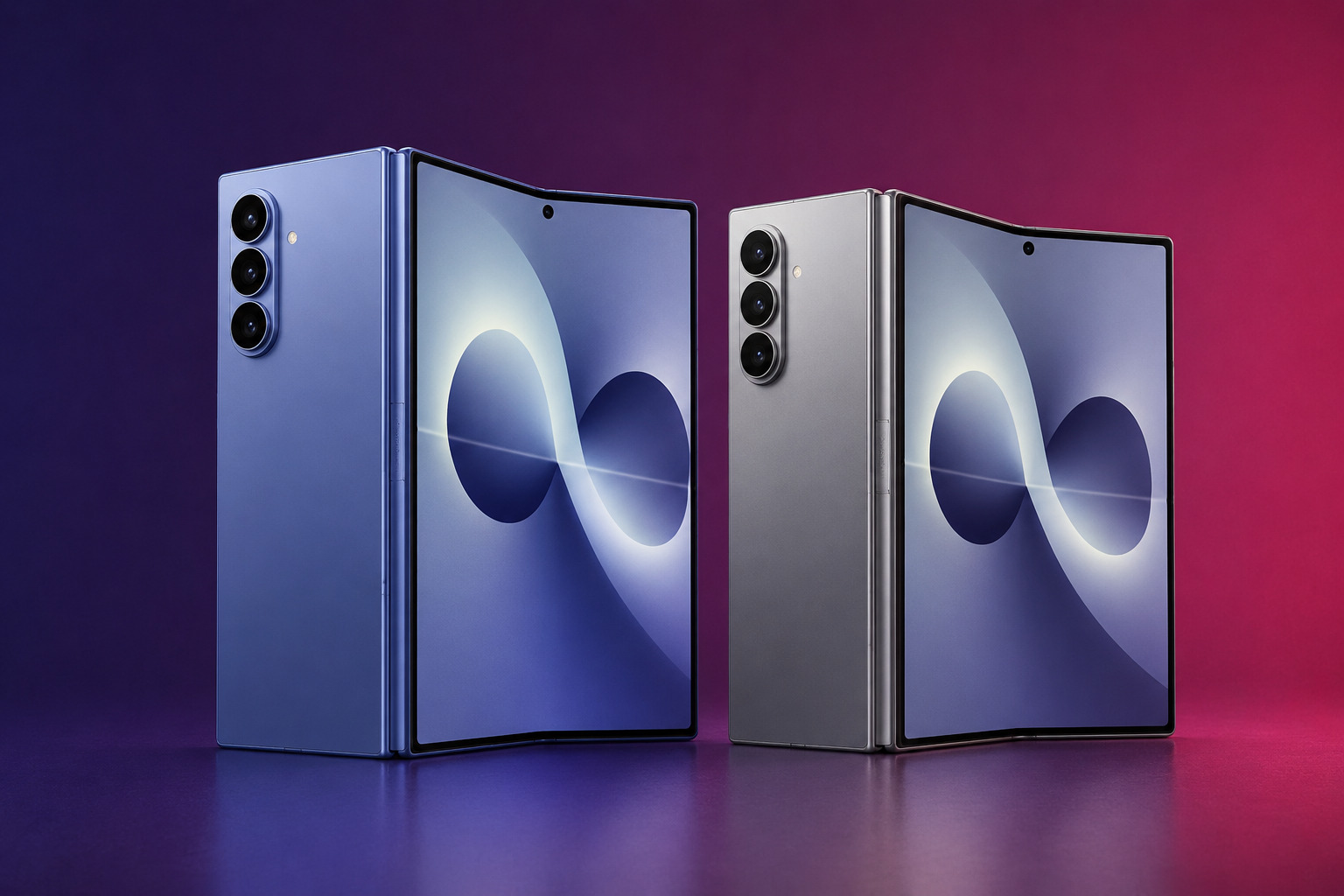
The Samsung Galaxy Z Fold 8 and Z Flip 8 represent the latest chapter in Samsung’s foldable smartphone journey. What started as an ambitious experiment has evolved into a mature product category that now plays a major role in the premium smartphone market.
In 2026, foldables are no longer niche devices reserved for early adopters. They have become practical, refined, and increasingly attractive to mainstream users. With the launch of the Samsung Galaxy Z Fold 8 and Z Flip 8, Samsung continues to push the boundaries of smartphone design while improving durability, usability, and everyday functionality.
Whether you’re interested in productivity, portability, or simply experiencing something different from the traditional smartphone format, Samsung’s newest foldables offer compelling reasons to pay attention.
Samsung’s Foldable Vision for 2026
Samsung has spent years refining its foldable technology, and the results are becoming increasingly apparent.
The company’s vision for 2026 focuses on making foldable devices feel less like specialized gadgets and more like natural alternatives to conventional smartphones. Rather than asking users to adapt to a new form factor, Samsung aims to make foldables fit seamlessly into everyday life.
The latest generation builds upon several years of improvements in:
Hinge durability
Display technology
Software optimization
Battery efficiency
Device thickness and weight
As a result, the new Samsung foldables feel more polished and practical than ever before.
Samsung also continues to strengthen its position within the Android ecosystem, competing not only against traditional flagship devices but increasingly against tablets and laptops in certain usage scenarios.
What’s New in the Galaxy Z Fold 8
The Galaxy Z Fold line remains Samsung’s productivity-focused foldable series.
The Galaxy Z Fold 8 features focus on improving the experience for users who want maximum screen space without carrying multiple devices.
Productivity & Multitasking Improvements
Samsung has continued to enhance multitasking capabilities across the Fold series.
The larger inner display allows users to comfortably:
Run multiple applications simultaneously
Work with split-screen layouts
Manage documents and spreadsheets
Participate in video conferences while taking notes
Software optimizations further improve app scaling and window management.
For professionals and power users, the Fold 8 increasingly serves as a hybrid between a smartphone and a compact tablet.
Samsung’s AI-powered productivity tools also help streamline daily workflows, making multitasking more intuitive than previous generations.
Display and Hinge Refinements
One of the most important improvements in the Fold series comes from ongoing refinement rather than dramatic redesign.
The Fold 8 introduces:
A more durable hinge mechanism
Improved crease reduction
Enhanced brightness and outdoor visibility
Better screen protection
These updates address some of the concerns that historically made users hesitant about foldable devices.
The result is a device that feels more robust and confidence-inspiring during everyday use.
Samsung’s engineering efforts continue to narrow the gap between foldables and traditional premium smartphones in terms of durability.
What’s New in the Galaxy Z Flip 8
While the Fold targets productivity enthusiasts, the Galaxy Z Flip series focuses on portability and convenience.
The Galaxy Z Flip 8 review conversation centers largely around refinement and practicality.
Compact Design Evolution
The Flip 8 continues Samsung’s approach of delivering flagship performance in a compact foldable form factor.
When folded, the device becomes significantly smaller than traditional smartphones, making it easier to:
Carry in smaller pockets
Fit into compact bags
Handle with one hand
Despite its compact size, the device still offers a full-sized smartphone experience when unfolded.
Samsung has also refined the overall design language, making the device feel more premium and cohesive.
Cover Screen & Everyday Convenience
The external cover display remains one of the Flip’s most distinctive features.
The larger and more capable cover screen allows users to:
View notifications
Respond to messages
Control media playback
Access widgets
Check navigation directions
This reduces the need to open the device for every interaction.
For many users, these small conveniences add up throughout the day and contribute significantly to the overall experience.
Fold vs Flip: Which User Is Each Device Designed For?
The ongoing Galaxy Fold vs Flip discussion comes down largely to lifestyle and priorities.
The Fold 8 appeals to users who value productivity, multitasking, and larger displays. It suits professionals, content creators, and users who frequently work on the go.
The Flip 8, on the other hand, targets users who prioritize portability, style, and convenience. It delivers flagship capabilities while maintaining a more compact footprint.
Some key distinctions include:
Galaxy Z Fold 8
Larger internal display
Enhanced multitasking
Productivity-focused experience
Tablet-like functionality
Galaxy Z Flip 8
Compact folded design
Easier portability
Strong focus on everyday convenience
Fashion-forward appeal
Neither approach is inherently better. Each serves a different type of user.
When choosing a premium foldable device, it’s worth considering not only hardware features but also how freely the device can be used across different carriers and regions.
How Foldables Are Reshaping the Premium Smartphone Market
The success of the Samsung Galaxy Z Fold 8 and Z Flip 8 demonstrates how foldables are influencing the broader smartphone industry.
Manufacturers increasingly view foldables as a long-term category rather than a short-term trend.
Several factors drive this shift:
Improved durability
Better software support
Stronger consumer confidence
Greater production efficiency
As foldable technology matures, consumers gain access to new ways of interacting with mobile devices.
The category also creates differentiation in a market where traditional smartphone designs have become increasingly similar.
Samsung’s leadership position in foldables allows it to shape consumer expectations and influence future device development across the industry.
Long-Term Ownership Considerations for Foldable Devices
When purchasing any premium smartphone, long-term ownership matters.
This is particularly true for foldables, which often represent a significant investment.
Several factors should be considered.
Software Support
Samsung continues to offer extended software support for flagship devices.
Regular security updates and feature enhancements help maintain device value over time.
International Usability
Many Fold and Flip owners travel frequently or use multiple carriers.
Ensuring compatibility with local networks, eSIM support, and carrier flexibility can significantly improve long-term usability.
Resale Value
Foldable devices continue to gain acceptance in secondary markets.
As consumer confidence grows, resale values have become more stable than in the early generations of foldable technology.
Proper maintenance and an unlocked device configuration can further improve long-term value.
Durability Improvements
Each new generation addresses previous durability concerns.
The improvements found in the Samsung foldable phones 2026 lineup suggest that foldables are increasingly capable of serving as primary devices for years rather than months.
Conclusion: Foldables Continue to Mature
The Samsung Galaxy Z Fold 8 and Z Flip 8 showcase how far foldable smartphones have evolved. Samsung has refined both product lines through meaningful improvements in durability, software, displays, and everyday usability.
The Fold 8 strengthens its position as a productivity powerhouse, while the Flip 8 continues to offer a unique blend of portability and flagship performance.
As foldables become more mainstream, users have more reasons than ever to consider them as realistic alternatives to traditional smartphones.
UnlockBase.com helps users maximize the flexibility of their devices by providing professional unlocking services trusted worldwide.
All products, and company names, logos, and service marks (collectively the "Trademarks") displayed are registered® and/or unregistered
trademarks™ of their respective owners.
The authors of this web site are not sponsored by or affiliated with any of the third-party trade mark or third-party registered trade mark owners,
and make no representations about them, their owners, their products or services.
Before traveling internationally, one of the most important steps is verifying phone compatibility abroad. Many users assume their device will work automatically, only to discover issues with signal, data, or activation once they arrive.
In 2026, mobile connectivity has become more advanced—but also more complex. Differences in network bands, SIM technology, and carrier policies mean that not every phone works seamlessly in every country.
This guide explains how to check if your phone will work abroad and what to prepare before you travel.
Why Compatibility Matters for Travel
Ensuring phone compatibility abroad is essential for staying connected during travel. Whether you need maps, messaging, or access to important accounts, a working phone is no longer optional.
Several factors influence whether a device works internationally:
Network frequency bands vary by country
Carriers support different technologies (4G, 5G, VoLTE)
SIM and eSIM availability differ across regions
Device lock status may restrict usage
Even modern smartphones can encounter issues if these elements do not align. Taking time to check phone works internationally helps avoid unexpected problems.
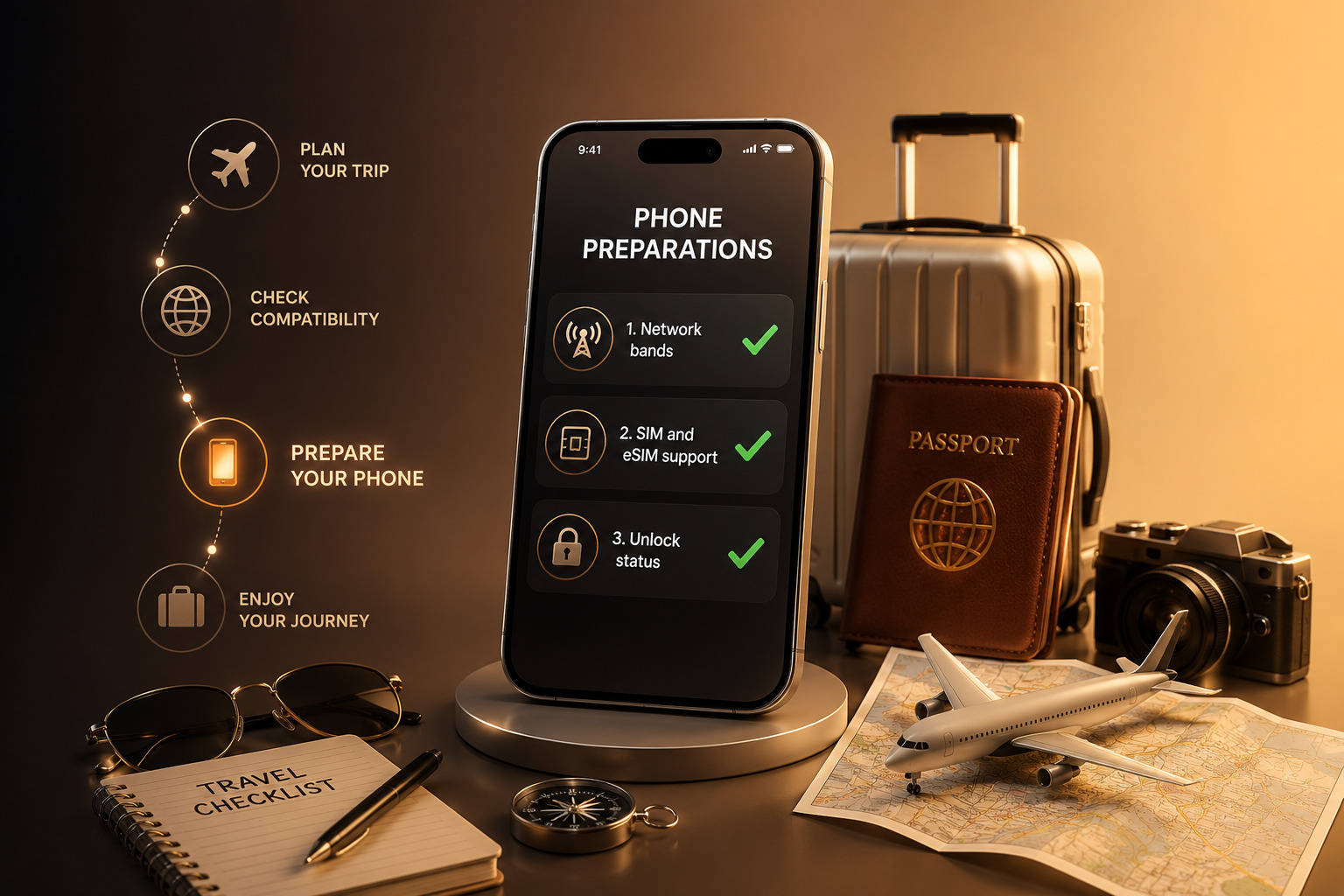
Step 1: Check Network Bands
The first step in verifying phone compatibility abroad is checking network band support.
Mobile networks operate on specific frequency bands, and these vary by region. If your phone does not support the bands used in your destination country, it may struggle to connect or fail entirely.
To check this:
Look up your phone’s model specifications
Compare supported bands with those used by local carriers
Focus on 4G LTE and 5G bands for reliable performance
This step is especially important when traveling between continents. A device designed for one region may lack key bands used elsewhere.
Understanding mobile bands compatibility ensures your phone can access local networks effectively.
Step 2: Check SIM and eSIM Support
The next step involves verifying SIM capabilities. In 2026, many networks rely on eSIM technology, but physical SIM cards still play a role.
Check whether your device supports:
Physical SIM cards
eSIM activation
Dual SIM or multiple profiles
An eSIM travel setup allows users to download local plans without swapping SIM cards. This can simplify connectivity, especially for short trips.
However, not all phones support eSIM, and some carriers require specific configurations. Confirming international SIM compatibility helps you choose the best option before arrival.
Step 3: Verify Unlock Status
Even if your phone supports the right bands and SIM types, it may still fail abroad if it is locked to a carrier.
A locked device restricts network access, preventing you from using local SIM or eSIM plans. This is one of the most common reasons users struggle to use phone abroad.
To verify unlock status:
Check device settings for carrier lock information
Contact your carrier if unsure
Test with another SIM if possible
An unlocked phone provides the flexibility needed for international use, allowing you to connect to different networks without restrictions. If your device is still locked, resolving this before traveling can help avoid connectivity issues abroad.
Common Mistakes to Avoid
Even experienced travelers sometimes overlook key details when preparing their devices.
One common mistake is assuming that all modern smartphones support global networks. While many devices are compatible, regional variations still exist.
Another mistake involves skipping the IMEI or compatibility check. A phone may appear functional but face hidden restrictions that limit its usability.
Users also sometimes rely solely on roaming without exploring local SIM or eSIM options. This can lead to higher costs and reduced performance.
Avoiding these mistakes ensures better travel phone setup and a smoother experience abroad.
Additional Tips for International Use
To maximize phone compatibility abroad, consider a few additional steps.
Update your device before traveling. Software updates often improve network compatibility and fix known issues.
Research local carriers in advance. Knowing which providers offer the best coverage helps you choose the right plan.
Keep backup options available. If possible, store multiple eSIM profiles or carry a physical SIM as a fallback.
These small preparations make a significant difference in maintaining reliable connectivity.
Why Unlocking and Compatibility Go Together
Unlocking and compatibility are closely connected. A phone may support global bands and eSIM, but without unlocking, those capabilities remain limited.
In 2026, as eSIM adoption increases, unlocking becomes even more important. Without physical SIM cards as an alternative, users depend entirely on digital activation.
Ensuring both compatibility and unlocking allows users to fully benefit from modern mobile technology.
Real-World Example
Consider a traveler moving from the US to Europe.
If the phone supports European bands, includes eSIM functionality, and is unlocked, the user can:
Activate a local eSIM plan instantly
Maintain their original number if needed
Switch networks without changing devices
If any of these elements are missing, the experience becomes more complicated.
This example highlights why phone compatibility abroad requires a complete check rather than a single step.
Conclusion: Check Before You Travel
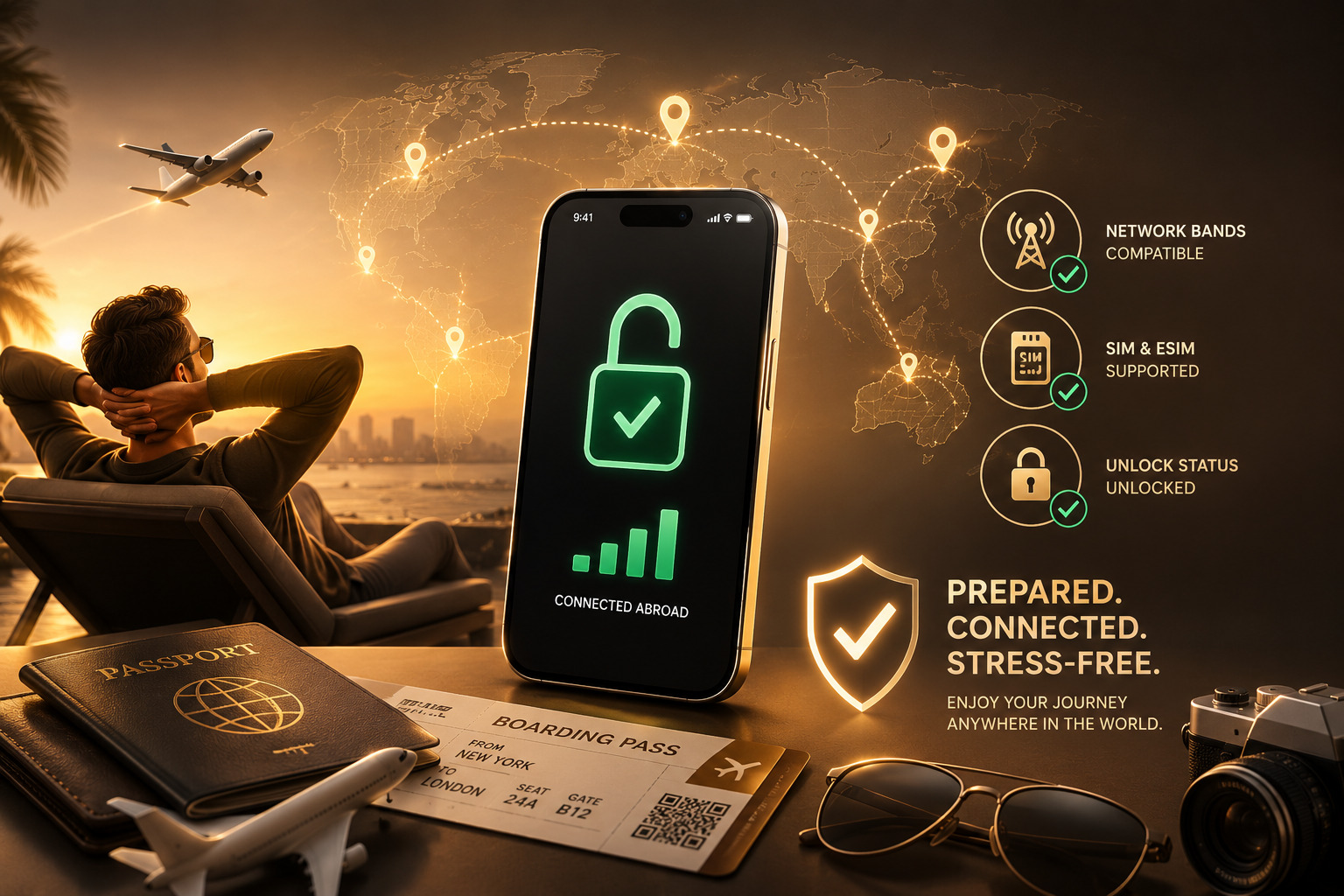
Verifying phone compatibility abroad is one of the most important steps before traveling in 2026. By checking network bands, SIM support, and unlock status, users can avoid common issues and stay connected wherever they go.
Preparation ensures that your device works as expected, allowing you to focus on your trip instead of troubleshooting connectivity problems. UnlockBase.com helps users prepare their devices for international use by ensuring compatibility across different networks.
All products, and company names, logos, and service marks (collectively the "Trademarks") displayed are registered® and/or unregistered
trademarks™ of their respective owners.
The authors of this web site are not sponsored by or affiliated with any of the third-party trade mark or third-party registered trade mark owners,
and make no representations about them, their owners, their products or services.
If you plan to buy used phone unlocked in 2026, you are already thinking in the right direction. The second-hand smartphone market has grown significantly, offering high-end devices at more accessible prices. However, this growth also brings new risks—especially when it comes to unlock status.
A phone may look perfect on the outside, but if it is locked to a carrier or region, its usability can become limited. In today’s global and eSIM-driven environment, unlock status plays a much bigger role than it did just a few years ago.
This guide explains why unlock status matters, how it affects real-world use, and what to check before making a purchase.
The Growing Used Phone Market in 2026
The demand for refurbished and second-hand smartphones continues to rise in 2026. Several factors contribute to this trend.
First, flagship devices have become more expensive. Many users prefer buying last year’s premium model instead of paying full price for the latest release.
Second, global marketplaces have expanded. Platforms now connect buyers and sellers across countries, making it easier to find specific models at competitive prices.
Third, device longevity has improved. Modern smartphones remain reliable for several years, increasing their value in the secondary mobile market.
As a result, more users choose to buy used phone unlocked to maximize flexibility and value.
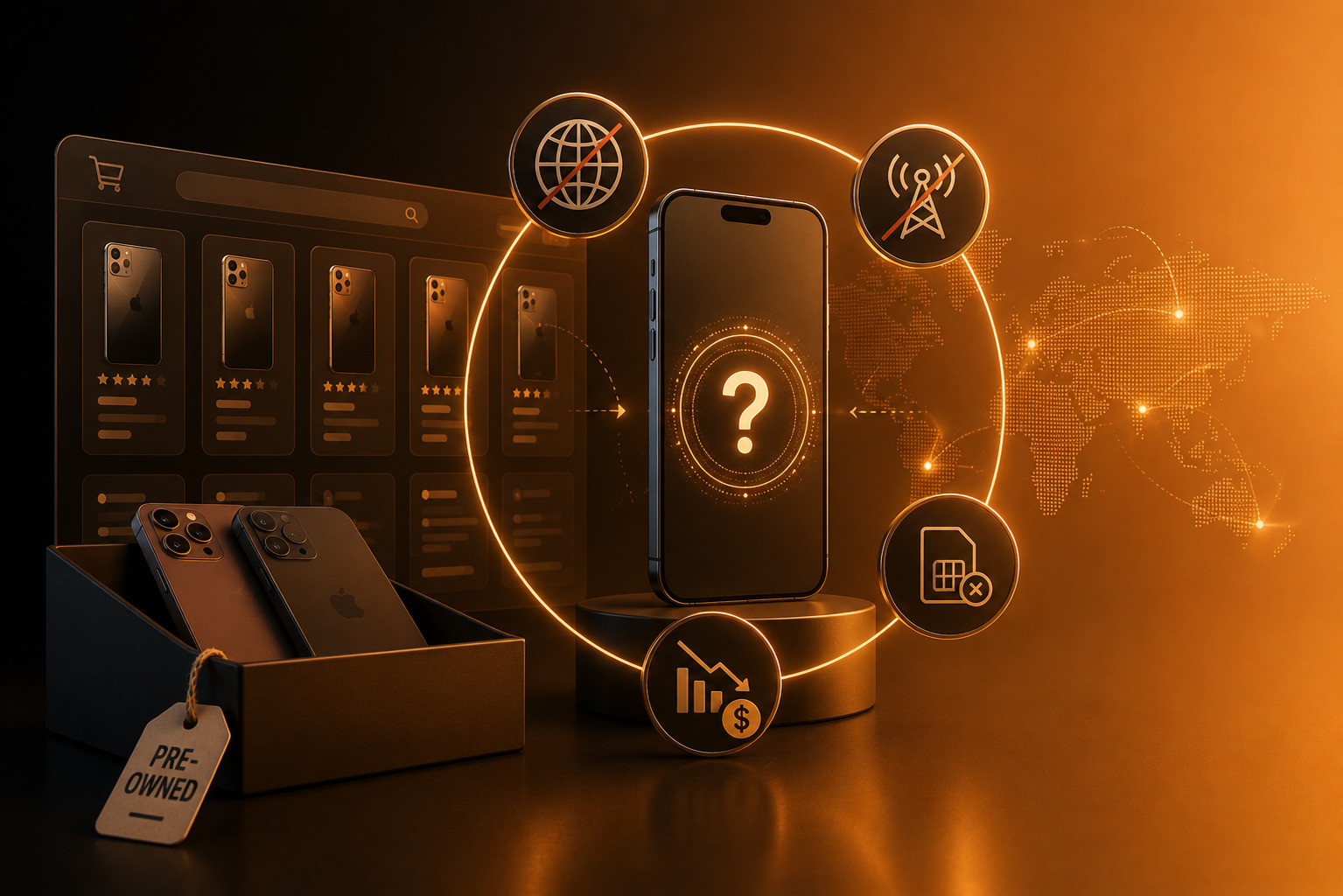
The Biggest Risk: Buying a Locked Device
While the used phone market offers strong opportunities, it also carries risks. The most common issue involves buying a locked device.
A locked phone restricts usage to a specific carrier. This limitation affects:
Network compatibility
Carrier switching
International use
Resale potential
In some cases, the phone may function normally within one country but fail when used abroad. This is especially relevant in 2026, where eSIM adoption and global travel are more common.
Regional lock policies can also create confusion. A device purchased in one market may not fully work in another, even if the hardware supports it.
These used phone risks highlight why checking unlock status is essential before completing a purchase.
Case Study: Buying a Locked vs Unlocked Phone
Real-world scenarios show how much difference unlock status can make.
Scenario 1: Domestic Purchase
A user buys a second-hand phone from a local seller. The device is locked to a major carrier but works perfectly within that network.
Initially, everything seems fine. However, when the user decides to switch to a cheaper plan or an MVNO, activation fails. The phone cannot connect to the new carrier.
The user must either unlock the device later or accept limited flexibility.
Scenario 2: International Marketplace Purchase
Another user buys a phone from an international seller. The price is attractive, and the device appears in excellent condition.
After receiving the phone, the buyer discovers it is locked to a foreign carrier. Local SIM cards do not work, and eSIM activation fails.
In this case, the issue becomes more complex. The buyer must verify compatibility, check IMEI status, and explore unlocking options.
These examples show why it is safer to buy used phone unlocked from the beginning.
Before completing a purchase, checking whether a phone is unlocked can help avoid unexpected limitations once the device is in use.
How Unlock Status Affects Value and Usability
Unlock status directly influences how useful and valuable a phone remains over time.
Network Flexibility
Unlocked phones allow users to switch carriers easily. This flexibility becomes important when:
Changing plans
Traveling internationally
Testing different networks
A locked phone limits these options, reducing overall usability.
Resale Potential
Buyers prefer unlocked devices. When you plan to resell the phone later, an unlocked device attracts more interest and often sells faster.
This makes unlocked phone resale significantly stronger than locked alternatives.
Long-Term Ownership
Over time, users’ needs change. They may relocate, switch carriers, or explore new connectivity options such as eSIM plans.
An unlocked device adapts to these changes, while a locked phone may become restrictive.
This is why many buyers prioritize locked vs unlocked phone comparisons before making a decision.
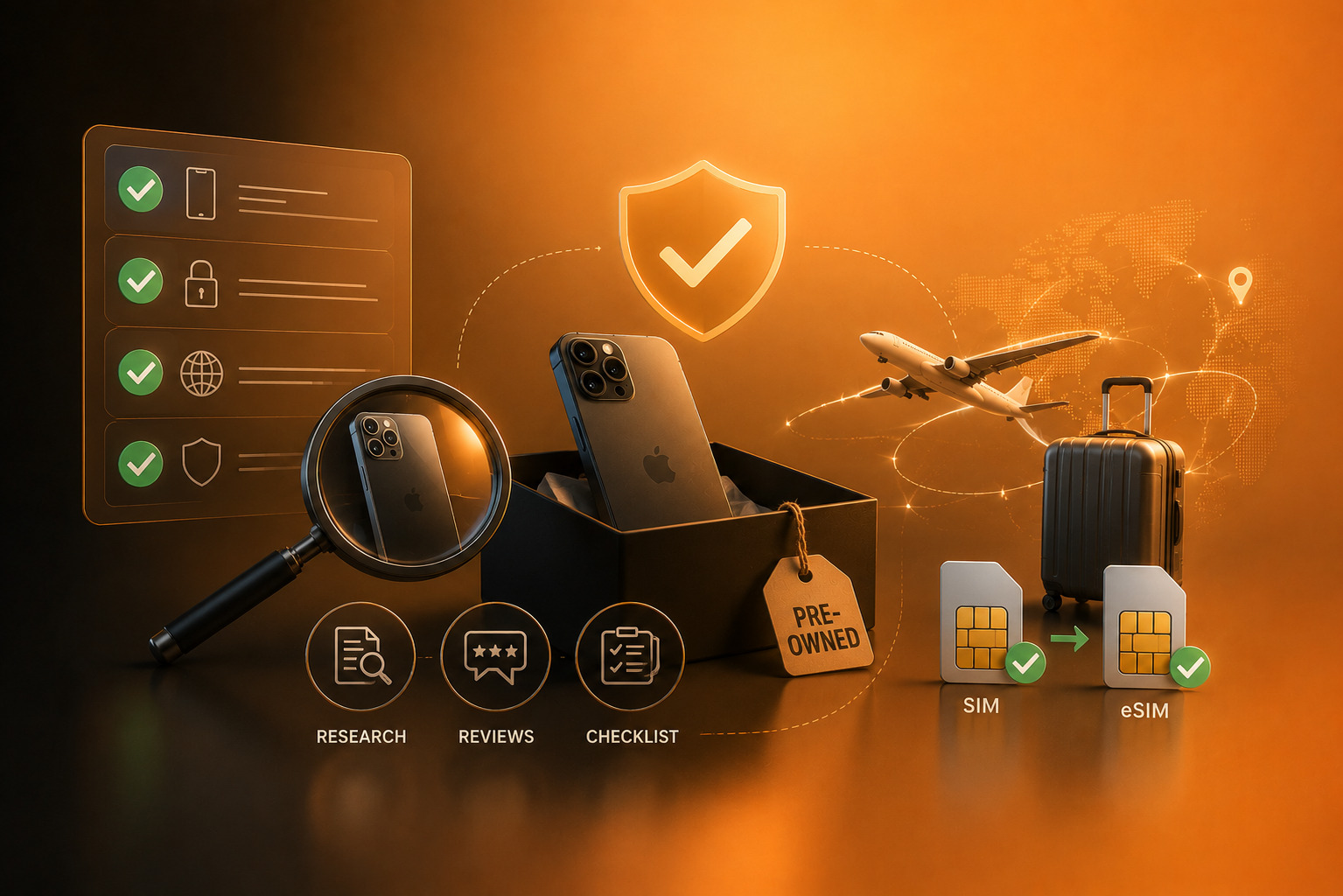
What to Check Before Buying a Used Phone
Taking a few simple steps can reduce risk and ensure a better purchase experience.
IMEI Check
Start with an IMEI check used phone process. The IMEI reveals important information about the device, including blacklist status and carrier association.
A clean IMEI indicates that the phone is not reported lost or stolen.
Unlock Status
Ask the seller directly whether the phone is unlocked. If possible, request proof or test the device with another SIM or eSIM profile.
Verifying unlock status helps avoid surprises later.
Carrier and Region Compatibility
Check which carrier originally sold the device. Some models include regional configurations that affect performance.
Make sure the phone supports your intended network bands and features.
Basic Device Condition
While unlock status is critical, do not ignore basic checks. Verify battery health, screen condition, and overall functionality.
A well-maintained device with proper unlock status offers the best long-term value.
Why Unlock Status Matters More in 2026
In previous years, users could often work around restrictions by swapping SIM cards. In 2026, this becomes less practical due to eSIM adoption and digital activation processes.
As networks evolve, flexibility depends more on software compatibility than physical access. This makes unlocking a central factor in device usability.
When you buy used phone unlocked, you ensure the device remains adaptable in a changing mobile environment.
Buy Smart, Stay Flexible
The used phone market in 2026 offers excellent opportunities, but it also requires careful evaluation. Unlock status plays a critical role in determining how useful a device will be over time.
Choosing to buy used phone unlocked reduces risk, improves flexibility, and increases long-term value. It also simplifies switching carriers, traveling, and reselling the device later.
By checking IMEI status, verifying compatibility, and confirming unlock status, buyers can make confident decisions.
UnlockBase.com helps users verify and unlock devices, making it easier to buy and use phones with confidence across different networks.
All products, and company names, logos, and service marks (collectively the "Trademarks") displayed are registered® and/or unregistered
trademarks™ of their respective owners.
The authors of this web site are not sponsored by or affiliated with any of the third-party trade mark or third-party registered trade mark owners,
and make no representations about them, their owners, their products or services.
The new UnlockBase cryptocurrency payment option marks a major upgrade in how customers can complete their unlocking orders in 2026. UnlockBase now natively accepts major cryptocurrencies through a fully integrated, in-house system—without relying on external providers.
This update reflects direct customer demand for faster, more modern payment flexibility. It also reinforces UnlockBase’s commitment to innovation, security, and global accessibility.
Customers can now pay with digital assets directly on UnlockBase.com and automatically receive a 10% discount for choosing cryptocurrency.
UnlockBase officially introduces native cryptocurrency payments as part of its 2026 infrastructure upgrade.
Unlike third-party processing solutions, the UnlockBase in-house payment system is built entirely internally. This means:
No external payment processors involved
Direct integration within the UnlockBase checkout
Greater operational control and efficiency
A smoother user experience from start to finish
This development responds to consistent user requests for crypto support. Customers worldwide increasingly prefer digital assets for borderless, fast transactions. UnlockBase listened—and delivered.
By implementing native crypto payments UnlockBase, the company modernizes its checkout process while maintaining reliability and transparency.
Why This New Payment Method Is More Convenient
The new UnlockBase cryptocurrency payment option is designed for simplicity.
Because it operates natively within the UnlockBase platform, customers experience:
Fewer redirects during checkout
Clear, direct transaction flow
Faster processing confirmations
Reduced friction compared to external solutions
This approach benefits international customers in particular. Cryptocurrency eliminates currency conversion barriers and simplifies cross-border payments.
The integrated system increases efficiency while maintaining full control over payment verification. Users can now complete unlocking orders in a streamlined environment tailored specifically to digital assets. Customers who prefer digital assets can now complete their unlocking orders directly through UnlockBase’s integrated cryptocurrency payment system — designed for speed and simplicity.
Supported Cryptocurrencies
UnlockBase now supports all major cryptocurrencies, including widely adopted digital assets such as USDT and other leading coins.
Customers can:
Pay with USDT UnlockBase
Use other popular cryptocurrencies
Complete transactions securely within the platform
The system accommodates the growing global adoption of crypto-based transactions. Whether customers hold stablecoins or other mainstream digital currencies, UnlockBase ensures compatibility.
By expanding crypto unlock service options, UnlockBase supports digital-first users who value decentralized payment flexibility.
10% Discount for Cryptocurrency Payments
To encourage adoption of the new system, UnlockBase offers an automatic 10% discount when customers choose cryptocurrency.
The discount applies instantly during checkout. No additional steps, coupons, or codes are required.
This 10% discount crypto payment incentive provides immediate value while rewarding customers who use digital assets.
For many users, this means unlocking their device at a lower cost while benefiting from a faster checkout experience. When paying with cryptocurrency, a 10% discount is automatically applied — making this one of the most convenient and cost-effective payment options available.
How to Pay With Cryptocurrency on UnlockBase (Step-by-Step Guide)
Using the UnlockBase cryptocurrency payment system is straightforward. Below is a simple walkthrough.
(Embed instructional video here) (Insert step-by-step screenshots here)
Step 1: Select Your Unlock Service
Choose the specific unlocking service for your device model and carrier. Add the service to your cart and proceed to checkout as usual.
Step 2: Choose Cryptocurrency as Payment Method
At checkout, select cryptocurrency as your payment option. The system will display supported coins and corresponding wallet details.
Step 3: Complete the Transaction
Send the required amount from your crypto wallet. Ensure the correct network is selected when applicable. The system will verify the transaction automatically.
Step 4: Receive Confirmation
Once the payment confirms, you will receive order confirmation. The unlocking process then continues according to standard service timelines.
This process ensures customers can unlock phone with cryptocurrency securely and efficiently.
A More Modern, Flexible Payment Experience
The introduction of UnlockBase cryptocurrency payment represents more than a new checkout feature. It reflects a broader modernization effort.
Cryptocurrency enables:
Borderless transactions
Faster global payments
Reduced dependency on traditional banking systems
Greater flexibility for digital-native users
As unlocking services increasingly serve global customers, payment infrastructure must evolve as well. UnlockBase’s in-house crypto integration supports that evolution.
The system provides a stable, controlled, and scalable foundation for future growth.
Why This Matters for the Unlocking Industry
Unlocking services operate in a global market. Customers frequently:
Travel internationally
Switch carriers across regions
Resell devices cross-border
Payment flexibility directly impacts convenience. By integrating native crypto payments UnlockBase, the company removes friction for international users and supports modern financial preferences.
The result is a streamlined experience that aligns with today’s digital ecosystem.
Conclusion: Innovation Backed by Simplicity
The launch of the UnlockBase cryptocurrency payment system marks a significant milestone for 2026. With full in-house integration, support for major cryptocurrencies including USDT, and an automatic 10% discount, customers now benefit from both convenience and savings.
This update demonstrates UnlockBase’s commitment to innovation without sacrificing reliability or clarity. UnlockBase.com continues to innovate by offering secure, in-house cryptocurrency payments — providing customers worldwide with a faster, more convenient way to unlock their devices.
All products, and company names, logos, and service marks (collectively the "Trademarks") displayed are registered® and/or unregistered
trademarks™ of their respective owners.
The authors of this web site are not sponsored by or affiliated with any of the third-party trade mark or third-party registered trade mark owners,
and make no representations about them, their owners, their products or services.
Understanding carrier unlock eligibility in 2026 has become more important than ever. As users travel more, switch plans more frequently, and rely on eSIM, the ability to unlock a device often determines how flexible that phone will be over its lifetime.
Yet many users still discover—often at the worst possible moment—that their phone does not qualify for unlocking through their carrier. This guide explains why eligibility rules exist, what carriers typically require, why some requests get denied, and what legitimate alternatives remain when that happens.
Why Unlock Eligibility Exists
Carrier unlocking rules did not appear by accident. They exist to balance consumer flexibility with the business models that carriers use to subsidize devices and manage risk.
When a carrier sells a phone at a reduced upfront cost, it often ties that device to a service agreement or installment plan. Locking the phone helps ensure the customer fulfills those obligations before using the device elsewhere.
In 2026, carrier unlock eligibility also reflects fraud prevention and regional compliance requirements. Carriers track devices through IMEI databases to prevent misuse, unpaid balances, or unauthorized transfers between networks.
While these rules can feel restrictive, they provide the framework that determines when and how unlocking can happen legitimately.
Common Carrier Unlock Requirements
Although policies vary by carrier and country, most unlocking rules follow similar patterns. Understanding these expectations helps users avoid surprises.
Device Ownership and Account Status
Carriers typically require that the device be fully paid off. Phones under active financing agreements or contracts usually do not qualify until all payments are complete.
Account standing also matters. Past-due balances, suspended lines, or unresolved disputes can block an unlock request even if the device itself is paid.
Minimum Active Service Period
Many carriers require the phone to remain active on their network for a minimum period. This timeframe varies but often ranges from several weeks to several months.
This requirement applies even to prepaid plans in many regions. Users sometimes assume prepaid devices unlock automatically, but carrier unlock rules often say otherwise.
IMEI and Compliance Checks
Before approving an unlock, carriers verify the device’s IMEI status. Phones reported lost, stolen, or associated with fraud do not qualify.
This check protects both carriers and future users by ensuring only legitimate devices move freely between networks.
Together, these unlock phone requirements define whether a carrier will approve an unlock request in 2026.
Why Some Requests Are Denied
Unlock denials often feel sudden, but they usually follow clear internal logic. Understanding the reason behind a denial helps users decide what to do next.
One common reason is incomplete payment. Even a small remaining balance can block eligibility. Another frequent issue involves inactive service periods that have not yet reached the carrier’s minimum requirement.
In some cases, users encounter problems because the device was purchased through a third party or activated under a different account. This mismatch can complicate verification.
Regional restrictions also play a role. Phones imported from other markets may fall outside a carrier’s standard unlocking framework, even if the hardware is compatible.
When a user faces an unlock denied phone situation, the denial itself is not the end of the road—it is a signal to evaluate next steps carefully. If a carrier denies an unlock request, understanding why helps determine what legitimate options remain.
Legitimate Alternatives When Eligibility Fails
When carrier-based unlocking is not available, users still have options. The key is choosing alternatives that respect device integrity and network policies.
Waiting for Eligibility to Be Met
In some cases, time is the only missing factor. Completing payments or reaching the minimum service period may resolve the issue naturally.
This option works best when the remaining requirement is clear and short-term.
Using Compliant Third-Party Unlocking Services
When waiting is not practical, compliant third-party services may offer solutions aligned with device and network rules. These services assess the device, carrier, and region before determining whether unlocking is possible.
Legitimate providers explain limitations upfront and do not promise universal results. They work within existing frameworks rather than attempting to bypass them.
These alternative unlocking options are especially relevant for users who move between countries, buy devices secondhand, or inherit phones tied to old accounts.
Planning for Future Flexibility
Sometimes the best alternative is proactive planning. Users who anticipate frequent carrier changes may choose factory-unlocked devices in the future to avoid eligibility constraints altogether.
While this does not solve the current device’s status, it prevents the same issue from recurring.
How Unlock Eligibility Affects Real-World Use in 2026
In today’s mobile environment, lock status affects more than just carrier switching. It impacts eSIM activation, international travel, resale value, and even enterprise use cases.
A phone that remains locked may support eSIM in theory but fail to activate profiles from other carriers. Travelers may find local plans unavailable, while resale buyers often avoid restricted devices.
This is why carrier unlock eligibility now plays a central role in long-term device value rather than being a one-time technical detail.
What Users Can Do Before Requesting an Unlock
Preparation increases the chances of success. Before submitting a request, users should confirm payment status, review carrier policies, and verify the IMEI is clean.
Keeping account information consistent and accessible also helps. Requests tied to mismatched accounts often stall due to verification delays.
Taking these steps does not guarantee approval, but it reduces avoidable obstacles.
Transparency, Compliance, and User Confidence
Unlocking works best when all parties operate with clear expectations. Carriers define eligibility, users follow procedures, and service providers explain what is and is not possible.
In 2026, transparency matters more than speed. Clear explanations build confidence and help users make informed decisions about their devices.
Responsible unlocking respects carrier policies while supporting consumer flexibility—a balance that protects device usability over time.
Conclusion: Eligibility Is a Starting Point, Not the End
Carrier unlock eligibility defines how and when a phone can move freely between networks. While not every device qualifies immediately, understanding the rules helps users avoid frustration and plan effectively.
Denials do not always mean dead ends. With the right information, users can evaluate legitimate alternatives and protect their device’s long-term value. UnlockBase.com assists users who face eligibility limitations by offering compliant unlocking solutions aligned with device and network policies. If your phone does not qualify through a carrier, UnlockBase helps you explore responsible options with clarity and confidence.
All products, and company names, logos, and service marks (collectively the "Trademarks") displayed are registered® and/or unregistered
trademarks™ of their respective owners.
The authors of this web site are not sponsored by or affiliated with any of the third-party trade mark or third-party registered trade mark owners,
and make no representations about them, their owners, their products or services.
In 2026, the global secondhand smartphone economy continues to grow, and one factor consistently shapes buyer behavior: unlocked phone resale value. As cross-border sales, international marketplaces, and device longevity become more important, unlocked phones outperform locked devices in both speed of sale and final price.
For sellers, understanding how unlocking affects resale is no longer optional. It directly influences buyer reach, demand, and long-term device value—especially in a globalized phone resale market 2026.
The 2026 Secondary Phone Market
The secondary mobile market has matured into a structured, global ecosystem. Buyers no longer come only from local listings or carrier-specific resale programs. Instead, platforms now connect sellers and buyers across continents.
Several trends define the market in 2026:
Longer smartphone ownership cycles
Higher demand for refurbished and used devices
Increased international trade of secondhand phones
Strong price sensitivity combined with compatibility expectations
According to industry analysts and resale platforms, buyers increasingly prioritize flexibility. That shift places unlocked devices at a clear advantage, as they remove uncertainty around carrier restrictions.
As a result, unlocked phone resale value has become a key metric for both individual sellers and professional refurbishers.
Locked vs Unlocked: Buyer Preferences
When comparing locked vs unlocked phones, buyer behavior is consistent across regions. Most buyers actively avoid locked devices unless the price discount is significant.
Unlocked phones appeal to buyers because they:
Work with multiple carriers
Support international SIM or eSIM use
Reduce setup friction after purchase
Retain value longer
Locked phones, by contrast, introduce questions buyers prefer not to answer. Will the device work locally? Can it be unlocked later? Are there restrictions tied to the original carrier?
In global resale environments, uncertainty lowers demand. That is why unlocked devices consistently sell faster and at higher prices.
Case Study: Cross-Border Resale Scenarios
Real-world resale scenarios highlight why unlocked phone resale value matters so much in 2026.
North America → Europe
A phone originally sold by a US carrier may function perfectly in Europe—if it is unlocked. European buyers often look for US-market devices due to availability or pricing, but only when compatibility is guaranteed.
Unlocked devices allow buyers to:
Insert local SIM cards immediately
Use regional carriers without limitations
Avoid delays or additional unlocking steps
Locked phones, even when technically compatible, face resistance. Many buyers skip such listings entirely, reducing seller visibility and final sale price.
Asia & Emerging Markets
In Asia and emerging markets, demand for premium secondhand phones remains strong. Buyers often import devices from North America and Europe, where flagship models enter the resale market earlier.
In these regions:
Carrier-locked phones hold limited appeal
Network diversity makes flexibility essential
Buyers favor devices that support multiple bands and carriers
Unlocked phones meet these requirements directly. As a result, sellers who sell phone internationally almost always achieve better outcomes with unlocked devices.
Before selling a device internationally or listing it on a global marketplace, it’s worth checking whether it’s unlocked—as this often directly affects buyer interest and final resale price.
Why Buyers Pay More for Unlocked Devices
The price difference between locked and unlocked phones reflects risk management. Buyers pay more for certainty.
In the phone resale market 2026, buyers treat unlocked status as a quality signal. It suggests transparency, proper ownership, and freedom from hidden limitations.
Faster Sales, Lower Friction
Unlocked phones also sell faster. Listings often receive more inquiries and complete transactions sooner because buyers feel confident completing the purchase.
For sellers, faster sales mean:
Less time managing listings
Reduced price negotiations
Lower likelihood of returns or disputes
Speed and value often go hand in hand in the secondary mobile market.
Long-Term Value Retention
Unlocked devices retain value over time. Even as models age, their flexibility keeps them relevant in markets with different carrier structures.
This dynamic reinforces the long-term benefits of unlocking—not only at resale time, but throughout the device lifecycle.
Practical Steps to Maximize Resale Value
Sellers aiming to improve unlocked phone resale value can take a few practical steps before listing a device.
1. Verify Lock Status
Before creating a listing, confirm whether the phone is unlocked. This information should appear clearly in the description.
Unlocked devices naturally attract a wider audience in these environments.
Compliance, Transparency, and Trust
Legitimate unlocking supports transparency and compliance when performed correctly. Buyers expect sellers to disclose accurate device status, and marketplaces increasingly enforce these standards.
Clear communication around unlocking status builds trust and protects both parties. In 2026, trust remains a cornerstone of successful resale transactions.
Conclusion: Unlocking as a Value Strategy in 2026
The global resale landscape makes one point clear: unlocked phone resale value continues to outperform locked alternatives in 2026. Flexibility, compatibility, and buyer confidence drive higher prices and faster sales across international markets.
As the secondary mobile market grows more competitive, sellers who prepare devices properly gain a measurable advantage. Unlocking is no longer just a technical step—it is a value strategy.
For sellers looking to increase reach, flexibility, and resale value, UnlockBase.com provides reliable unlocking services trusted by users across global secondary markets. Unlocking today helps protect your device’s value tomorrow.
All products, and company names, logos, and service marks (collectively the "Trademarks") displayed are registered® and/or unregistered
trademarks™ of their respective owners.
The authors of this web site are not sponsored by or affiliated with any of the third-party trade mark or third-party registered trade mark owners,
and make no representations about them, their owners, their products or services.
The Samsung Galaxy S26 series marks one of the first major smartphone launches of 2026, setting the tone for what users can expect from flagship devices this year. As many users reassess their tech needs after the holiday season, Samsung’s newest lineup arrives at a moment when long-term performance, flexibility, and global usability matter more than ever.
Building on the success of its predecessor, Samsung positions the Galaxy S26 series as a refined, future-ready evolution rather than a radical reinvention. For users considering an upgrade early in 2026, this launch carries important implications—not only for features, but also for longevity and device freedom.
A New Year, A New Samsung Flagship
Samsung has traditionally used early-year flagship launches to signal its priorities for the months ahead, and the Samsung Galaxy S26 series continues that trend.
Rather than focusing on flashy changes alone, Samsung appears to emphasize polish, consistency, and practical improvements. This approach reflects a market where users hold onto devices longer and expect premium phones to remain relevant across multiple years, regions, and networks.
For those starting 2026 with fresh device plans—whether upgrading, traveling, or reselling later—the Galaxy S26 lineup enters the market with high expectations already attached.
What’s New in the Galaxy S26 Series
Refined Design & Display for 2026
Samsung’s design language for 2026 leans toward subtle refinement. Early reports suggest that the Galaxy S26 models feature slimmer profiles, improved materials, and more durable finishes.
Display improvements remain a core strength across the lineup:
Brighter AMOLED panels with enhanced outdoor visibility
Smoother adaptive refresh rates for everyday use
Reduced bezels for a more immersive viewing experience
These changes may not feel dramatic at first glance, but they contribute to better usability over long ownership periods.
Performance, AI & Next-Gen Chipset
Performance upgrades in the Samsung Galaxy S26 series focus on efficiency as much as raw power. Samsung’s latest chipset—paired with expanded on-device AI processing—aims to deliver faster everyday tasks while reducing battery drain.
Key improvements users are likely to notice include:
Smarter AI-assisted multitasking
Faster app launches and background processing
Improved thermal management during intensive use
This generation reflects Samsung’s broader strategy for 2026: make AI useful in daily interactions, not just a marketing label.
Camera Upgrades for Everyday and Travel Use
The Galaxy S26 Ultra features headline Samsung’s camera advancements this year. Rather than chasing extreme specs, Samsung focuses on consistency across lighting conditions.
Expected camera refinements include:
Enhanced low-light photography
Faster shutter response for moving subjects
Improved stabilization for video and travel footage
These upgrades appeal to users who rely on their phone as a primary camera, especially those who travel or document daily life on the go.
Battery Life, Charging & Connectivity
Battery performance remains a critical factor for flagship buyers in 2026. The Samsung Galaxy S26 series benefits from efficiency gains rather than major capacity jumps.
Users can expect:
Longer screen-on time under mixed usage
Faster wired and wireless charging optimization
Improved 5G and global band support
Connectivity enhancements also reflect Samsung’s global user base, ensuring better compatibility across regions.
Galaxy S26 vs Galaxy S25: Year-Over-Year Improvements
When comparing Galaxy S26 vs S25, the differences may appear incremental on paper, but they translate into noticeable daily improvements.
Practical upgrades include:
More responsive AI features
Better sustained performance under load
Camera consistency rather than isolated spec boosts
Improved long-term software optimization
For Galaxy S25 owners, the decision to upgrade depends on priorities. For users coming from older models, the S26 represents a more substantial leap forward.
How the Galaxy S26 Fits Into Samsung’s 2026 Lineup
The Samsung Galaxy 2026 ecosystem revolves around integration. The S26 series sits at the center, connecting seamlessly with Samsung tablets, wearables, and smart services.
Early market expectations position the S26 lineup as:
A premium option for long-term Android users
A reliable flagship for international use
A strong candidate for resale value retention
Samsung’s approach suggests confidence in extended device lifespans rather than rapid replacement cycles.
Before committing to any new flagship, it’s worth confirming your device’s carrier status and global compatibility. Checking lock status early helps ensure flexibility if you plan to travel, switch networks, or resell later.
Long-Term Ownership & Global Usability Considerations
The Samsung Galaxy S26 series is designed with longevity in mind, but ownership experience depends on more than hardware alone.
International Use
Samsung continues to prioritize wide band support across its flagship devices. This makes the S26 series suitable for frequent travelers and users who move between regions.
However, carrier restrictions can still affect usability if a device remains locked to a specific network.
Resale Outlook
Unlocked flagship phones generally retain higher resale value. Buyers on the secondary market prefer devices that work across multiple carriers and countries.
As the new Samsung flagship phone of 2026, the S26 series is likely to perform well in resale markets—especially if maintained in good condition and kept carrier-unlocked.
Flexibility Over Time
Long-term flexibility includes:
Ability to switch carriers
Compatibility with international SIM cards
Freedom to sell or gift the device later
Understanding these factors early helps users make smarter purchase decisions that extend beyond launch excitement.
Starting 2026 With the Right Device Choices
The Samsung Galaxy S26 series opens 2026 with a clear message: refinement, efficiency, and long-term usability matter more than ever. Samsung’s latest flagship lineup focuses on real-world improvements that support users across years—not just months.
For buyers considering a new device early in 2026, the Galaxy S26 offers strong performance, thoughtful upgrades, and a place within Samsung’s broader ecosystem. Yet true value also depends on flexibility—how well the device adapts to future needs, travel plans, and ownership changes.
While the Samsung Galaxy S26 series is not yet officially available, questions around compatibility, carrier locking, and long-term usability already matter. The UnlockBase team is ready to answer those questions and, once devices are in users’ hands, to assist with checking lock status, compatibility, and future unlocking options. Don’t hesitate to contact UnlockBase.com for transparent guidance and trusted support—before and after your next Samsung upgrade.
All products, and company names, logos, and service marks (collectively the "Trademarks") displayed are registered® and/or unregistered
trademarks™ of their respective owners.
The authors of this web site are not sponsored by or affiliated with any of the third-party trade mark or third-party registered trade mark owners,
and make no representations about them, their owners, their products or services.
Why Influencer Needs Unlocked Phone? As a content creator in today’s connected world, your phone isn’t just a device—it’s your direct line to your audience, your business center, and your creative studio all in one. That’s why smart influencers worldwide choose unlocked phones, and here’s why you should too.
What Is an Unlocked Phone and Why Does It Matter?
An unlocked phone is a device that’s free from carrier restrictions. Unlike locked phones that tie to specific networks, unlocked phones work with any compatible carrier worldwide. Think of it as the difference between owning your home versus renting—with an unlocked phone, you control your connectivity choices completely.
Key Benefits of Unlocked Phones for Influencers
Here are the main advantages that make unlocked phones essential for content creators:
Travel Content Creation Made Simple
For influencers who create travel content, an unlocked phone is essential. Furthermore, when you land in a new country, you simply pop in a local SIM card and connect instantly at local rates. Additionally, you avoid paying international roaming fees or hunting for WiFi hotspots when you’re trying to capture that perfect golden hour shot.
Cost Savings That Boost Your Creator Budget
Every influencer knows that managing expenses helps sustainable growth. Moreover, unlocked phones offer significant cost advantages that can redirect funds toward better equipment, marketing, or brand reinvestment.
International roaming charges easily reach $10-15 per day, not including data overages. In contrast, with local SIM cards, you typically save substantial amounts on communication costs.
Influencer Needs Unlocked Phone : Better Content Quality and Reliability
Nothing kills engagement like poor connectivity during live streams or delayed content uploads. Therefore, unlocked phones allow you to choose the best available network in any location. As a result, you ensure consistent performance for your content creation needs.
Building Global Brand Partnerships
International brand collaborations are valuable opportunities for influencers, but they require smooth communication across borders. Consequently, an unlocked phone ensures you stay reachable for those time-sensitive opportunities. Whether it’s a last-minute campaign adjustment or urgent brand communication, you remain accessible.
Privacy and Security Benefits for Public Figures
As your influence grows, digital privacy and security become more important. Similarly, unlocked phones offer better control over your digital footprint since you’re not locked into carrier-specific software or apps that might compromise your privacy.
Influencer Needs Unlocked Phone : What is UnlockBase?
UnlockBase is a leading professional unlocking service with over 15 years of experience and millions of successfully unlocked devices worldwide.
UnlockBase Services Include:
Support for virtually all Android brands and models
Safe, manufacturer-approved unlocking methods
Money-back guarantee if your device cannot be unlocked
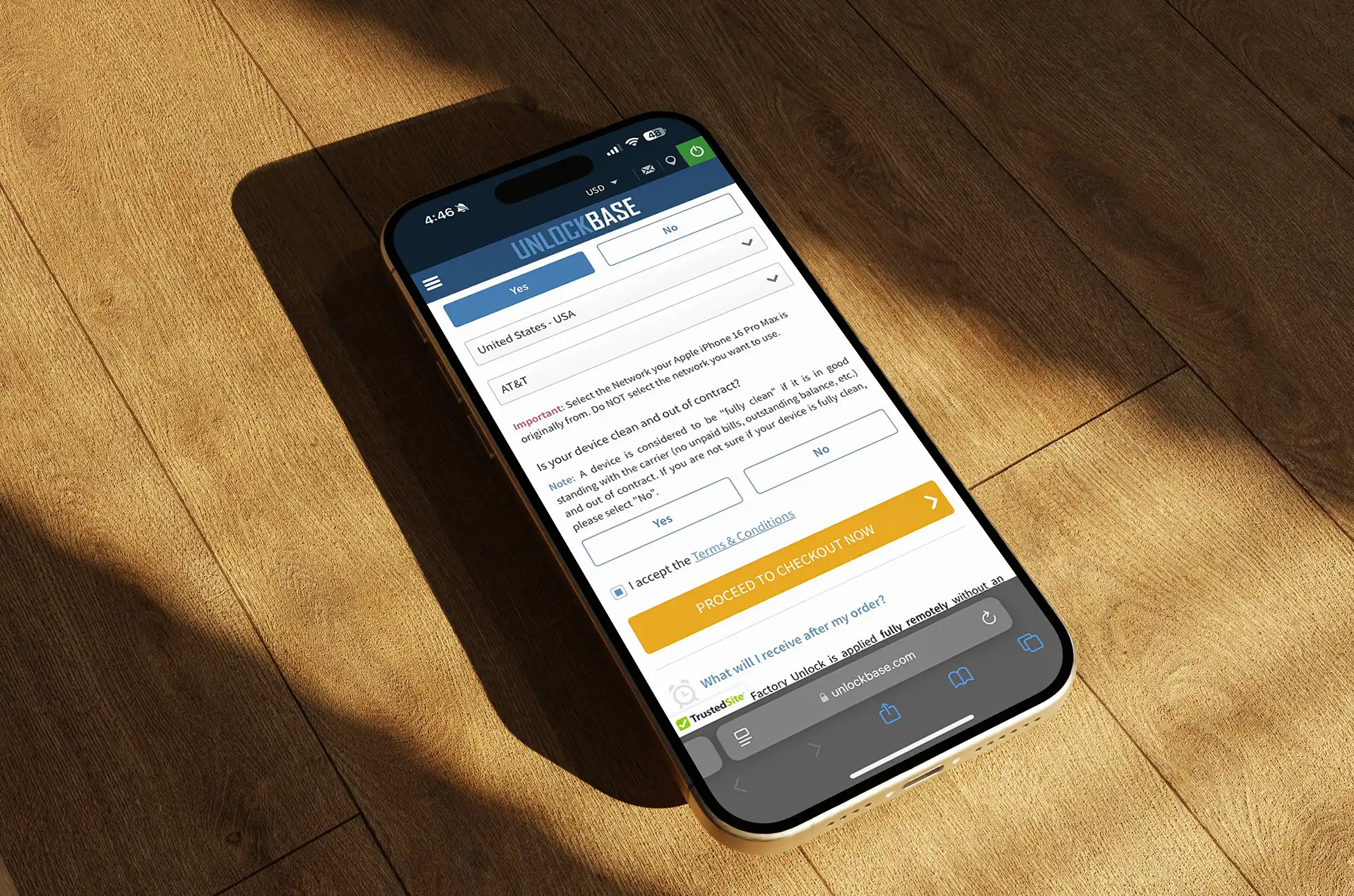
Select Your Device: Choose your phone brand from the available options
Enter Device Details: Provide your phone’s IMEI number accurately
Complete Payment: Finish the secure payment process
Receive Instructions: You’ll get detailed instructions and an unlock code via email
Unlock Your Phone: Insert a new SIM and follow the provided instructions
Influencer Needs Unlocked Phone – Take Action: Unlock Your Success Today
In the competitive world of content creation, every advantage counts. Therefore, an unlocked phone isn’t just about convenience—it’s about freedom, professionalism, and positioning yourself for global success.
From seamless international travel to cost-effective connectivity and enhanced content quality, the benefits build over time. As a result, investing in an unlocked phone becomes a strategic decision that supports your long-term growth as a global influencer.
All products, and company names, logos, and service marks (collectively the "Trademarks") displayed are registered® and/or unregistered
trademarks™ of their respective owners.
The authors of this web site are not sponsored by or affiliated with any of the third-party trade mark or third-party registered trade mark owners,
and make no representations about them, their owners, their products or services.
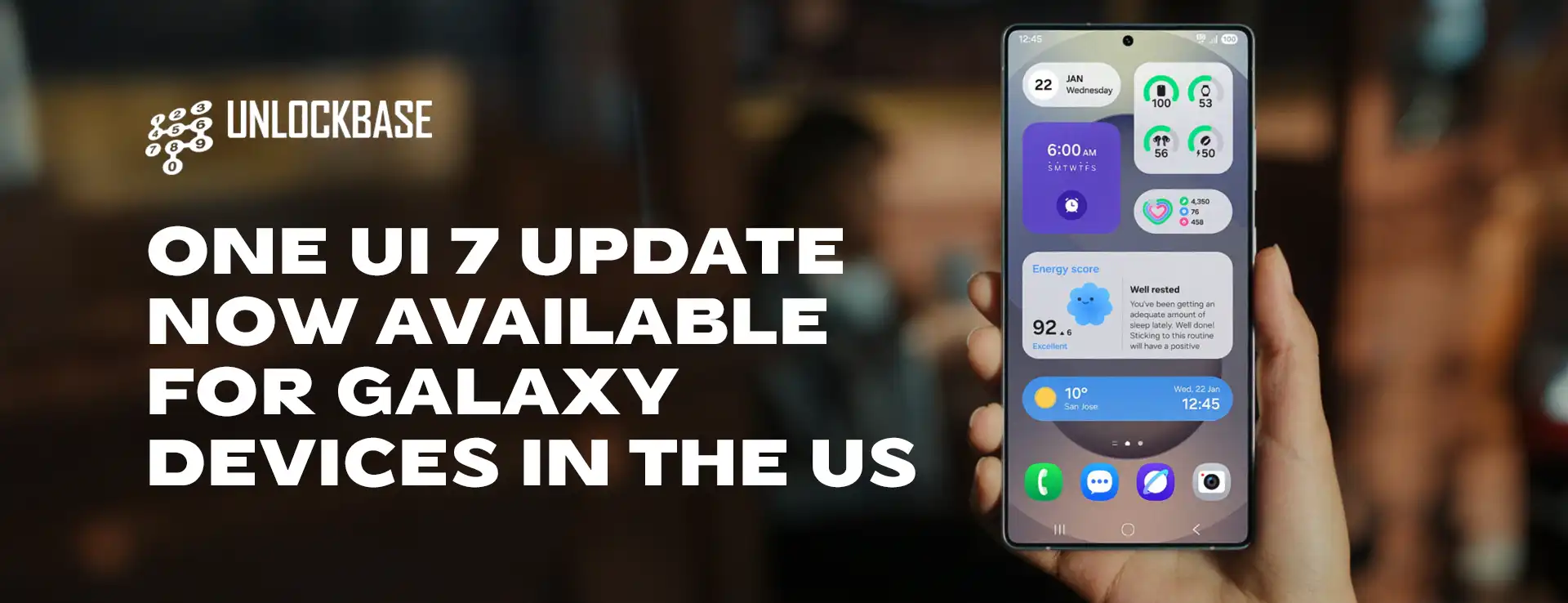
One UI 7 Update? Breaking: Samsung’s Latest Software Update Finally Reaches American Users
Samsung has dramatically expanded its One UI 7 rollout, bringing the highly anticipated update to multiple Galaxy devices across the United States. After an initial launch limited to South Korean markets last week, American Galaxy users can now experience the Android 15-based interface and its innovative features. Quick link for Official One UI 7
Which Galaxy Devices Are Getting One UI 7?
The update is now rolling out to an impressive lineup of Samsung devices in the US:
Galaxy S23 FE
Galaxy S22 series (S22, S22+, S22 Ultra)
Galaxy S21 series (S21, S21+, S21 Ultra)
Galaxy Z Fold 4
Galaxy Z Flip 4
Galaxy Z Fold 3
Galaxy Z Flip 3
This expanded availability marks a significant acceleration in Samsung’s update schedule, bringing the latest software to both flagship and mid-range devices simultaneously.
One UI 7 Update : How to Get the Update Now
If you own one of these compatible Galaxy devices but haven’t received a notification yet, you can manually check for the update:
Open the Settings app
Navigate to Software update
Tap Download and install
Your device will then check for available updates and begin downloading the new firmware if available.
One UI 7 Update : What’s New in One UI 7?
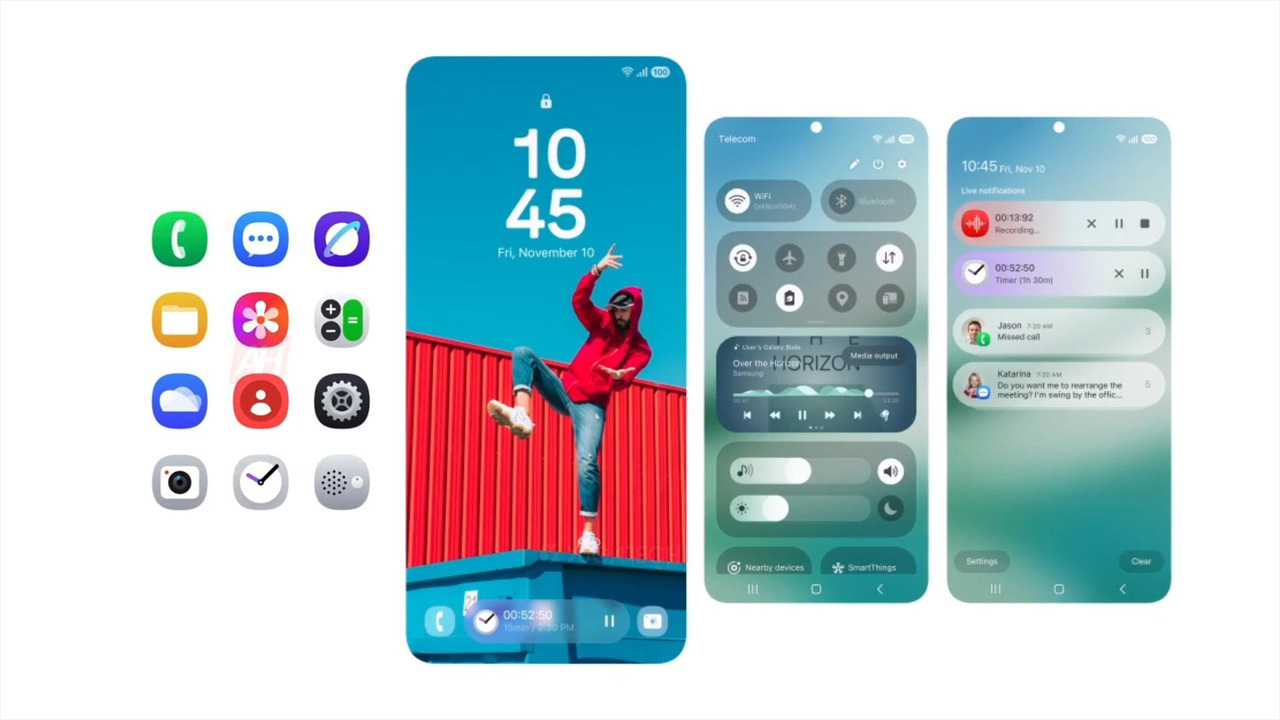
The update doesn’t just bring Android 15 to your device—it includes Samsung’s distinctive One UI 7 skin with several exciting features:
Look Now and Now Bar: Enhanced quick access to essential information
Camera Ready: Improved photography capabilities and interface
Call Transcript: Automatic transcription of your phone conversations
April 2025 Security Patch: The latest security enhancements to protect your device
This comprehensive update addresses various security vulnerabilities while improving overall system stability and performance.
Samsung continues to demonstrate its commitment to supporting its device ecosystem with timely software updates. If you’re using
What Users Can Expect
Early adopters report smoother animations and improved battery optimization across all supported devices. The interface redesign offers a cleaner, more intuitive experience that longtime Samsung users will appreciate while remaining accessible to newcomers.
Industry analysts note that Samsung’s accelerated rollout schedule for One UI 7 may be a strategic response to competitors’ recent software improvements. By bringing the update to multiple device generations simultaneously, Samsung ensures its ecosystem remains competitive in the increasingly software-focused smartphone market.
For users of older Galaxy models not included in this update wave, Samsung has not yet announced specific timelines, but based on previous patterns, we might see expanded availability in the coming months.
All products, and company names, logos, and service marks (collectively the "Trademarks") displayed are registered® and/or unregistered
trademarks™ of their respective owners.
The authors of this web site are not sponsored by or affiliated with any of the third-party trade mark or third-party registered trade mark owners,
and make no representations about them, their owners, their products or services.