
2026
The roaming changes 2026 are transforming how users stay connected while traveling internationally. What was once associated with high costs and limited flexibility is now evolving into a more competitive and user-friendly system.
Carriers worldwide are adjusting their strategies to meet modern expectations. As travel increases and eSIM adoption expands, users demand better pricing, simpler activation, and reliable global connectivity. These changes affect not only how people use mobile data abroad, but also how devices need to be configured for seamless access.
Understanding these developments helps users make smarter decisions before traveling or switching plans.
How Roaming Is Evolving in 2026
The most important aspect of roaming changes 2026 is the shift away from traditional roaming models. In the past, users relied on their home carrier’s agreements with foreign networks, often resulting in high fees and inconsistent service.
Today, carriers approach roaming differently. Instead of treating it as a premium add-on, many now integrate international usage into standard plans.
This evolution includes:
- Expanded roaming coverage across more countries
- Simplified activation processes
- Increased competition between carriers
These developments reflect a broader trend toward global connectivity. Users expect their devices to work seamlessly, regardless of location.
At the same time, new technologies such as eSIM reduce reliance on legacy systems, allowing carriers to offer more flexible solutions.
New Pricing Models and Bundled Plans
Pricing has become one of the most visible areas of change. International roaming costs continue to decline as carriers introduce new models designed to attract mobile-first users.
Instead of charging per megabyte or per minute, many providers now offer:
- Daily or weekly roaming passes
- Bundled international data packages
- Plans with included global usage
These global mobile plans provide predictability, which users value more than ever. Rather than worrying about unexpected charges, travelers can plan their usage with clear limits.
Competition also plays a role. As smaller carriers and MVNOs expand, major networks must respond with more attractive pricing.
The result is a more balanced market where roaming becomes accessible rather than restrictive.

The Role of eSIM in Roaming Changes
The rise of eSIM roaming plans is a major driver behind roaming changes 2026. eSIM technology allows users to activate local or international plans without replacing a physical SIM card.
This capability changes how roaming works in practice.
Instead of relying solely on their home carrier, users can:
- Download local data plans before arrival
- Switch between carriers digitally
- Maintain multiple profiles on one device
This flexibility improves both cost efficiency and network performance. In many cases, local eSIM plans offer better speeds and lower prices than traditional roaming options.
However, this shift also increases the importance of device compatibility. Not all phones support eSIM, and some may have restrictions depending on carrier configuration.
What This Means for Consumers
For users, the roaming changes 2026 bring both opportunities and responsibilities.
On the positive side, staying connected internationally is easier than ever. Users can choose between traditional roaming, local SIM cards, or eSIM-based plans depending on their needs.
Travelers benefit from:
- Lower overall costs
- Faster activation
- Greater control over network selection
At the same time, flexibility depends on device readiness. A phone that works perfectly at home may face limitations abroad if it is locked or not fully compatible with international networks.
This is especially relevant as mobile travel connectivity becomes more digital. Without physical SIM cards as a fallback, users rely entirely on software-based activation.
As roaming becomes more flexible, ensuring your device can connect across different networks is an important part of preparing for international use.
Carrier Roaming Policy Changes
Behind these improvements, carrier roaming policy adjustments play a critical role.
Carriers now focus on:
- Expanding partnerships with international networks
- Simplifying activation through apps and online platforms
- Offering more transparent pricing structures
These policies reflect a shift toward customer retention. Instead of discouraging roaming through high costs, carriers aim to keep users within their ecosystem by offering competitive global options.
At the same time, regional differences remain. Some carriers provide extensive international coverage, while others still limit access based on agreements and infrastructure.
Challenges That Still Exist
Despite progress, some challenges remain within the roaming changes 2026 landscape.
Users may still encounter:
- Limited support in certain regions
- Compatibility issues with specific devices
- Variations in network quality
These factors highlight the importance of preparation. Checking device compatibility, understanding plan details, and exploring alternative options help avoid disruptions.
In many cases, the issue lies not with the carrier but with the device configuration.
Preparing for International Connectivity
To fully benefit from roaming changes 2026, users should take a few simple steps before traveling.
First, verify whether the device supports eSIM and international bands. Most modern smartphones do, but confirmation ensures compatibility.
Second, check whether the phone is locked to a carrier. A locked device may limit access to alternative roaming options.
Third, compare available plans. Depending on the destination, a local eSIM plan may offer better value than traditional roaming.
These steps help users maximize flexibility and avoid unnecessary costs.
The Future of Global Mobile Plans
Looking ahead, the trend toward integrated global plans will likely continue. As networks evolve, the distinction between domestic and international usage may become less significant.
The roaming changes 2026 represent an early stage of this transition. Over time, users may expect seamless global connectivity as a standard feature rather than an add-on.
This shift aligns with broader technological changes, where connectivity becomes more fluid and less tied to geographic boundaries.
Conclusion: A More Flexible Era of Connectivity
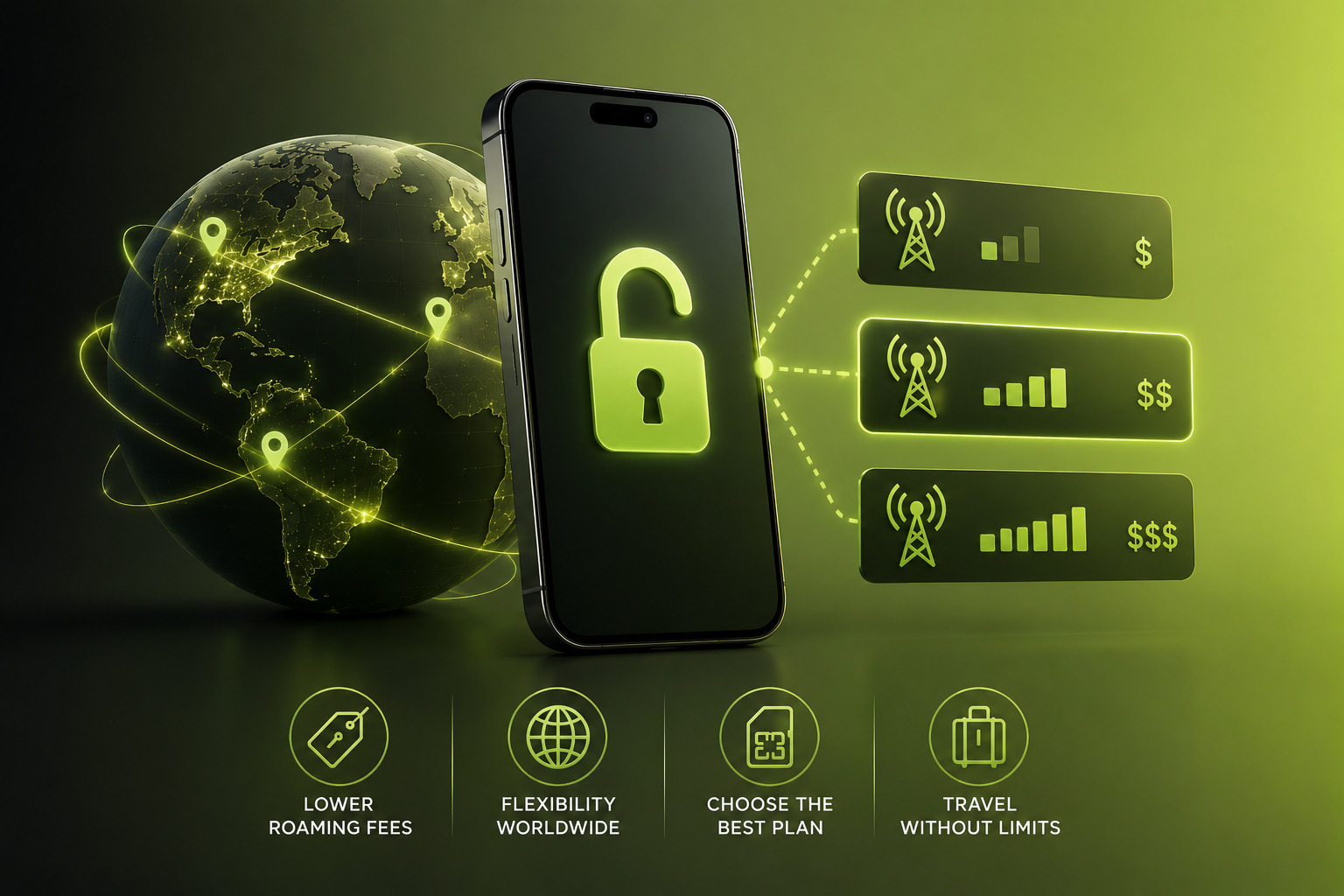
The roaming changes 2026 signal a clear move toward more accessible and flexible international connectivity. Lower costs, improved plans, and the rise of eSIM technology all contribute to a better user experience.
However, these benefits depend on device readiness. Users who understand their phone’s capabilities and limitations gain the most from these changes.
As global travel and digital mobility continue to grow, flexibility becomes the defining factor in mobile connectivity.
UnlockBase.com supports global connectivity by helping devices remain compatible across different carriers and regions.
All products, and company names, logos, and service marks (collectively the "Trademarks") displayed are registered® and/or unregistered trademarks™ of their respective owners. The authors of this web site are not sponsored by or affiliated with any of the third-party trade mark or third-party registered trade mark owners, and make no representations about them, their owners, their products or services.

