In 2026, more users expect to use one phone multiple countries without needing to switch devices or carry multiple handsets. Whether traveling, relocating, or working internationally, staying connected across regions has become a practical necessity rather than a luxury.
Advances in eSIM technology, global network compatibility, and device flexibility have made this possible. However, not all phones perform equally well in cross-region scenarios. The key factor often comes down to whether a device is unlocked and fully compatible with different networks.
This article explores how users manage global connectivity with a single device and what to consider for seamless international phone use.
Why Multi-Region Device Use Is Growing
Global mobility has increased significantly in recent years. More people travel frequently, work remotely across borders, or split time between multiple countries. As a result, the need to use one phone multiple countries has grown naturally.
Several trends support this shift:
eSIM adoption allows users to install multiple carrier profiles
International data plans have become more accessible
Remote work reduces dependence on fixed locations
Global marketplaces encourage cross-border device use
These changes make carrying multiple phones unnecessary for most users. Instead, a single well-configured device can handle different regions efficiently.
At the same time, expectations have changed. Users no longer tolerate complicated setup processes or limited network access when traveling.
Case Study: US to Europe Travel
One of the most common scenarios involves travelers moving between the United States and Europe.
A typical user might keep a US carrier for calls and verification while using a European eSIM plan for data. This setup avoids expensive roaming charges and provides better local network performance.
With the right configuration, the device can:
Receive calls on the primary US number
Use a local European data plan
Switch between profiles without removing hardware
This is where eSIM travel setup becomes especially valuable. Users can download and activate plans before arrival, ensuring immediate connectivity.
However, success depends on device flexibility. A locked phone may block foreign eSIM activation or restrict network switching, even if the hardware supports it.
Case Study: Frequent Business Travelers
Frequent travelers often rely on more complex setups. They may need to maintain multiple numbers, manage regional data plans, and stay reachable across time zones.
In these cases, the ability to use one phone multiple countries becomes essential for efficiency.
A business traveler might:
Keep a primary number for their home country
Use regional eSIM profiles for data in each destination
Switch networks depending on location or cost
This approach reduces the need for multiple devices and simplifies communication.
For professionals, reliability matters more than convenience alone. Dropped connections, delayed activations, or restricted access can disrupt work.
This is why unlocked phone travel setups are preferred. They allow full control over network selection without interference from carrier limitations.
Locked vs Unlocked in Cross-Region Use
The difference between locked and unlocked devices becomes especially clear in international scenarios.
A locked phone may function normally within its original network but fail when attempting to connect to foreign carriers. This limitation can affect both physical SIM and eSIM usage.
Unlocked phones, on the other hand, support global SIM usage more effectively. They allow users to:
Activate local SIM or eSIM plans freely
Switch carriers based on availability or pricing
Maintain multiple active profiles
In 2026, international phone use increasingly depends on this flexibility. As networks adopt eSIM-first models, the ability to move between carriers without restrictions becomes critical. Using one device across multiple regions is significantly easier when it’s not limited by carrier restrictions.
Practical Considerations for Global Use
Even with an unlocked device, preparation matters. Users planning to use one phone multiple countries should consider a few practical factors.
First, check network band compatibility. While most modern smartphones support a wide range of frequencies, regional differences still exist.
Second, confirm eSIM support and profile limits. Some devices allow multiple profiles but only one active at a time, while others support simultaneous use.
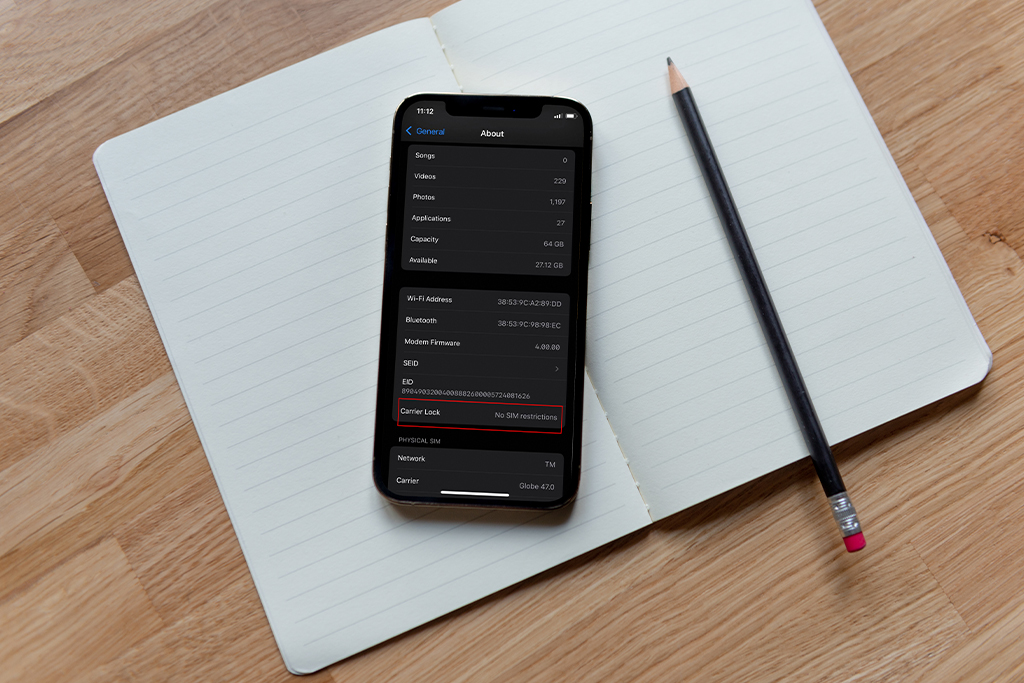
Third, verify lock status before traveling. Many connectivity issues arise not from hardware limitations, but from carrier restrictions.
These steps help ensure smooth performance across different regions.
eSIM vs Physical SIM in 2026
The shift toward eSIM plays a major role in multi-region usage. eSIM eliminates the need to physically swap SIM cards, making transitions faster and more convenient.
However, this convenience also increases reliance on digital compatibility. If a device is restricted, users cannot simply insert another SIM to bypass limitations.
This makes unlocking even more important in an eSIM-first environment. Without it, flexibility decreases rather than increases.
Long-Term Benefits of Using One Device Globally
The ability to use one phone multiple countries offers several long-term advantages.
It reduces device costs by eliminating the need for multiple phones. Using one device also simplifies communication by keeping all contacts and apps on a single device. It also improves resale value, as globally compatible phones attract more buyers.
In addition, users gain greater control over connectivity. They can choose the most cost-effective plan in each region without being tied to a single provider.
These benefits make global device flexibility a key consideration in 2026.
Common Challenges and How to Avoid Them
While the concept is straightforward, some users encounter challenges when attempting international use.
Common issues include:
Carrier lock restrictions
Incompatible network bands
Limited eSIM support
Activation delays
Most of these problems can be avoided with proper preparation. Verifying compatibility and unlocking status in advance prevents disruptions.
Conclusion: One Device, Global Connectivity
The ability to use one phone multiple countries reflects how mobile usage has evolved. In 2026, users expect seamless connectivity across borders without managing multiple devices.
Unlocked phones, combined with eSIM technology and global network support, make this possible. However, flexibility depends on preparation and device configuration.
Users who plan ahead gain the most from this shift, enjoying reliable connectivity wherever they go. UnlockBase.com helps users maintain global connectivity by providing unlocking solutions designed for real-world travel and mobility.
All products, and company names, logos, and service marks (collectively the "Trademarks") displayed are registered® and/or unregistered
trademarks™ of their respective owners.
The authors of this web site are not sponsored by or affiliated with any of the third-party trade mark or third-party registered trade mark owners,
and make no representations about them, their owners, their products or services.
In 2026, the global secondhand smartphone economy continues to grow, and one factor consistently shapes buyer behavior: unlocked phone resale value. As cross-border sales, international marketplaces, and device longevity become more important, unlocked phones outperform locked devices in both speed of sale and final price.
For sellers, understanding how unlocking affects resale is no longer optional. It directly influences buyer reach, demand, and long-term device value—especially in a globalized phone resale market 2026.
The 2026 Secondary Phone Market
The secondary mobile market has matured into a structured, global ecosystem. Buyers no longer come only from local listings or carrier-specific resale programs. Instead, platforms now connect sellers and buyers across continents.
Several trends define the market in 2026:
Longer smartphone ownership cycles
Higher demand for refurbished and used devices
Increased international trade of secondhand phones
Strong price sensitivity combined with compatibility expectations
According to industry analysts and resale platforms, buyers increasingly prioritize flexibility. That shift places unlocked devices at a clear advantage, as they remove uncertainty around carrier restrictions.
As a result, unlocked phone resale value has become a key metric for both individual sellers and professional refurbishers.
Locked vs Unlocked: Buyer Preferences
When comparing locked vs unlocked phones, buyer behavior is consistent across regions. Most buyers actively avoid locked devices unless the price discount is significant.
Unlocked phones appeal to buyers because they:
Work with multiple carriers
Support international SIM or eSIM use
Reduce setup friction after purchase
Retain value longer
Locked phones, by contrast, introduce questions buyers prefer not to answer. Will the device work locally? Can it be unlocked later? Are there restrictions tied to the original carrier?
In global resale environments, uncertainty lowers demand. That is why unlocked devices consistently sell faster and at higher prices.
Case Study: Cross-Border Resale Scenarios
Real-world resale scenarios highlight why unlocked phone resale value matters so much in 2026.
North America → Europe
A phone originally sold by a US carrier may function perfectly in Europe—if it is unlocked. European buyers often look for US-market devices due to availability or pricing, but only when compatibility is guaranteed.
Unlocked devices allow buyers to:
Insert local SIM cards immediately
Use regional carriers without limitations
Avoid delays or additional unlocking steps
Locked phones, even when technically compatible, face resistance. Many buyers skip such listings entirely, reducing seller visibility and final sale price.
Asia & Emerging Markets
In Asia and emerging markets, demand for premium secondhand phones remains strong. Buyers often import devices from North America and Europe, where flagship models enter the resale market earlier.
In these regions:
Carrier-locked phones hold limited appeal
Network diversity makes flexibility essential
Buyers favor devices that support multiple bands and carriers
Unlocked phones meet these requirements directly. As a result, sellers who sell phone internationally almost always achieve better outcomes with unlocked devices.
Before selling a device internationally or listing it on a global marketplace, it’s worth checking whether it’s unlocked—as this often directly affects buyer interest and final resale price.
Why Buyers Pay More for Unlocked Devices
The price difference between locked and unlocked phones reflects risk management. Buyers pay more for certainty.
In the phone resale market 2026, buyers treat unlocked status as a quality signal. It suggests transparency, proper ownership, and freedom from hidden limitations.
Faster Sales, Lower Friction
Unlocked phones also sell faster. Listings often receive more inquiries and complete transactions sooner because buyers feel confident completing the purchase.
For sellers, faster sales mean:
Less time managing listings
Reduced price negotiations
Lower likelihood of returns or disputes
Speed and value often go hand in hand in the secondary mobile market.
Long-Term Value Retention
Unlocked devices retain value over time. Even as models age, their flexibility keeps them relevant in markets with different carrier structures.
This dynamic reinforces the long-term benefits of unlocking—not only at resale time, but throughout the device lifecycle.
Practical Steps to Maximize Resale Value
Sellers aiming to improve unlocked phone resale value can take a few practical steps before listing a device.
1. Verify Lock Status
Before creating a listing, confirm whether the phone is unlocked. This information should appear clearly in the description.
Unlocked devices naturally attract a wider audience in these environments.
Compliance, Transparency, and Trust
Legitimate unlocking supports transparency and compliance when performed correctly. Buyers expect sellers to disclose accurate device status, and marketplaces increasingly enforce these standards.
Clear communication around unlocking status builds trust and protects both parties. In 2026, trust remains a cornerstone of successful resale transactions.
Conclusion: Unlocking as a Value Strategy in 2026
The global resale landscape makes one point clear: unlocked phone resale value continues to outperform locked alternatives in 2026. Flexibility, compatibility, and buyer confidence drive higher prices and faster sales across international markets.
As the secondary mobile market grows more competitive, sellers who prepare devices properly gain a measurable advantage. Unlocking is no longer just a technical step—it is a value strategy.
For sellers looking to increase reach, flexibility, and resale value, UnlockBase.com provides reliable unlocking services trusted by users across global secondary markets. Unlocking today helps protect your device’s value tomorrow.
All products, and company names, logos, and service marks (collectively the "Trademarks") displayed are registered® and/or unregistered
trademarks™ of their respective owners.
The authors of this web site are not sponsored by or affiliated with any of the third-party trade mark or third-party registered trade mark owners,
and make no representations about them, their owners, their products or services.
Cell phone usage has risen dramatically in most every country in the globe in recent years. As a result of the rising demand for cell phones, the number of cell phone manufacturers has also expanded. Cell phones from a decade ago are vastly different from those available now. Today’s phones offer unique features and capabilities that cater to the needs of the user. There are two sorts of phones: locked and unlocked.
Both have advantages and disadvantages, but it all comes down to one thing. Aside from all of the software and hardware options to consider when purchasing a smartphone, there is also the question of whether to purchase a locked or unlocked phone. This is something you should think about before making a big purchase.
Difference between Locked and Unlocked?
Locked phone
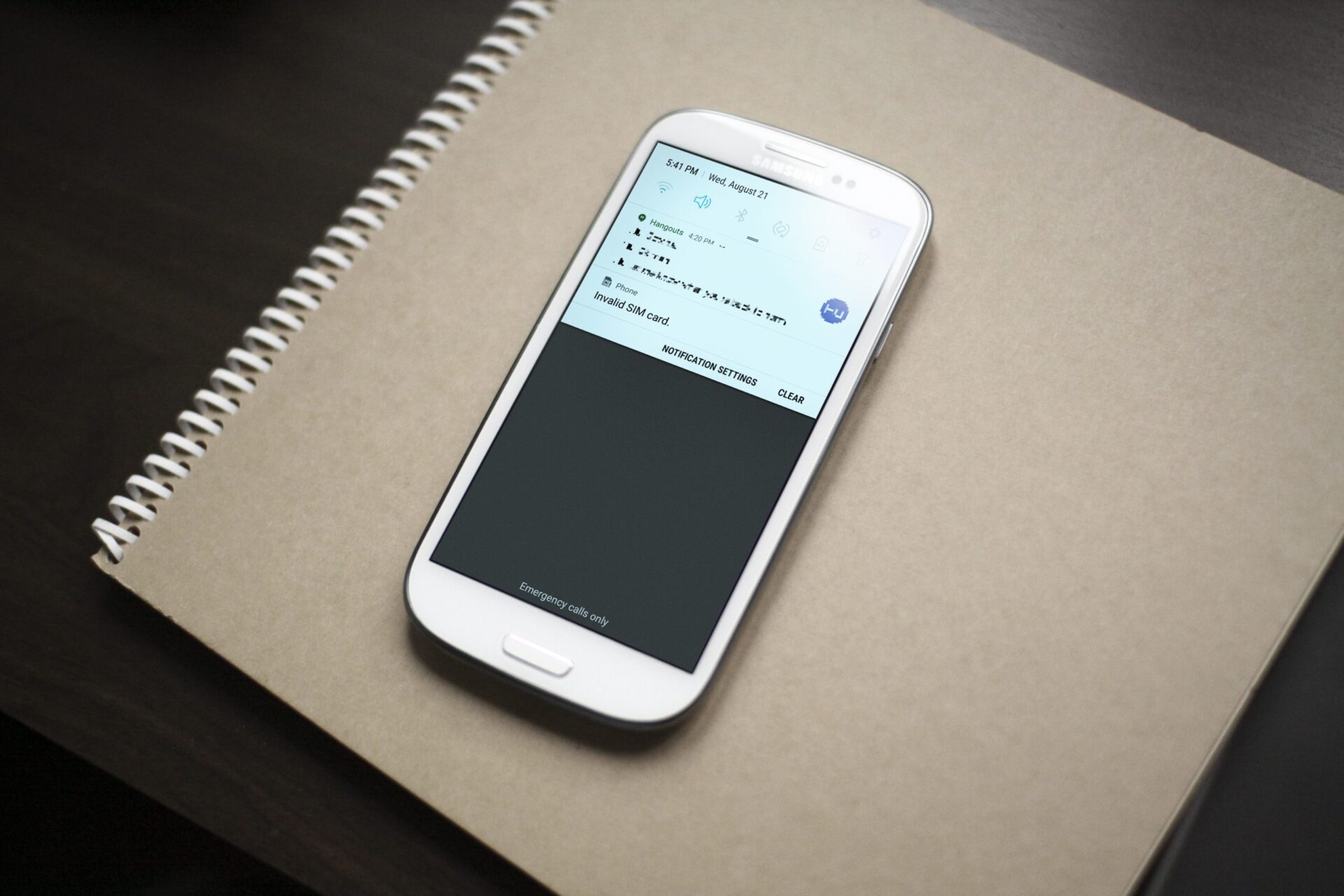
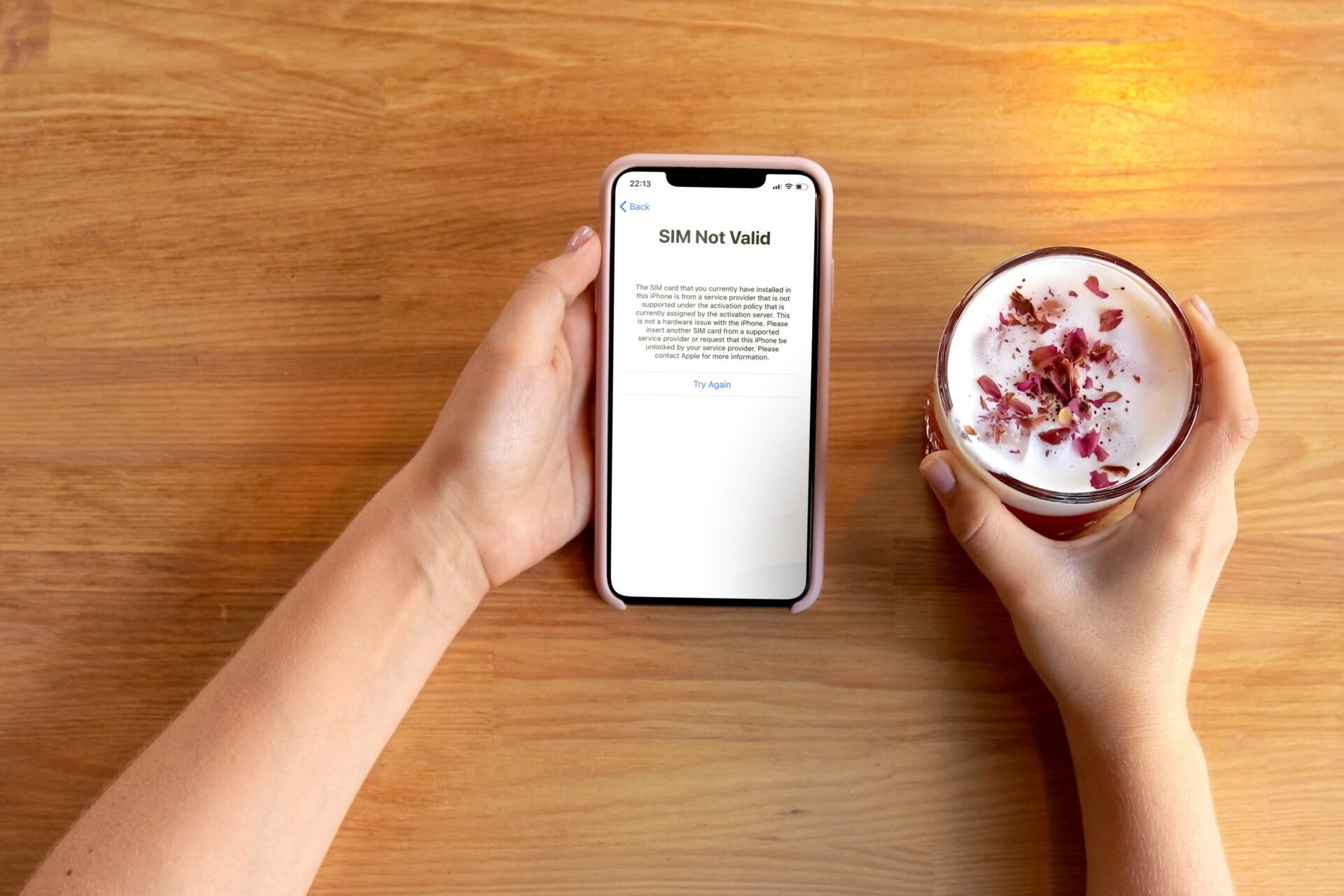
Only one network service provider is supported by these mobile phones. They use a CDMA technology that is exclusive to them. In addition, these phones come with a pre-installed SIM card that cannot be changed. You may attempt placing another SIM card into a locked phone; you’ll get a message claiming the SIM card is undetectable/unacceptable right away. This is frequently done by carriers to prevent you from going off and giving your business to competitors. You’ll have to get a new phone if you wish to transfer network carriers.
Unlocked Phone
The term “unlocked phone” refers to a phone that has no network constraints. You may practically utilize whatever service provider you want and swap at any time. You are in complete command. Simply switch your SIM card from one provider to another and you’re set to go. Unlocked phones are those that have been offered without network constraints or those that have been locked and then unlocked.
Advantages and Disadvantages
Unlocked Phones Advantages
Carrier Choice
Because they are SIM card compatible, these phones provide a variety of advantages. The majority of people prefer to get this sort of cell phone because of the variety of options accessible. One of the key advantages of this sort of phone is the possibility to swap networks while using the same phone. You may use the same phone in a different nation simply swapping the SIM card with a local network.
No Contract
You have the option to switch carriers at any moment.
Few unnecessary applications
Carriers may get on your nerves at times by installing programs that are impossible to delete. Some people want extra storage space on their phones for business or school materials, and installing unnecessary apps takes away that flexibility and space.
Unlocked Phones Disadvantages
No Support from Carriers
If you encounter network problems at any point, you’ll have to resolve them on your own; the service provider won’t help you with anything.
Warranties and Insurance Packages
Insurance offers are also beneficial and difficult to overlook. They protect your phone in the event of theft, drops, or software faults. You receive a piece of mind, which is something you wouldn’t have with an unlocked phone.
Pay the entire cost upfront.
Up front, unlocked cell phones are significantly more costly. In the long term, though, an unlocked cell phone may be less expensive. Don’t forget to do some math to figure it out. An unlocked cell phone can really save you money in the long term if you can afford the initial purchase.
Want to Get Rid of carrier’s Limitation?
Have you noticed the way mobile phone service providers love to lock you into contracts, the longer the better? Yes, they give you the phone for free, but with it comes that contract you have to pay for month after month. This is often a license for service providers to start taking liberties with all sorts of extra charges and fees they quietly slip into your package each month, hoping you won’t notice.
And even if you do notice and you do complain, they point to the fact that you signed up for the contract. We have all felt ripped off by a phone contract at one point or another. Then should you ever go overseas, well, that’s an even better excuse to start ramping up the charges. Costly texts, crazy internet access charges, eye watering call tariffs.
The basic concept of having an unlocked phone is that it should work with your carriers; to ensure this, just bring your Sim Card with you and have it tested before you pay for the phone and walk out of the store, only to regret it later. Second, look at coverage; the phone you choose should be compatible with a provider that provides broad coverage. If you have any thoughts, let us know in the comment section below!
All products, and company names, logos, and service marks (collectively the "Trademarks") displayed are registered® and/or unregistered
trademarks™ of their respective owners.
The authors of this web site are not sponsored by or affiliated with any of the third-party trade mark or third-party registered trade mark owners,
and make no representations about them, their owners, their products or services.