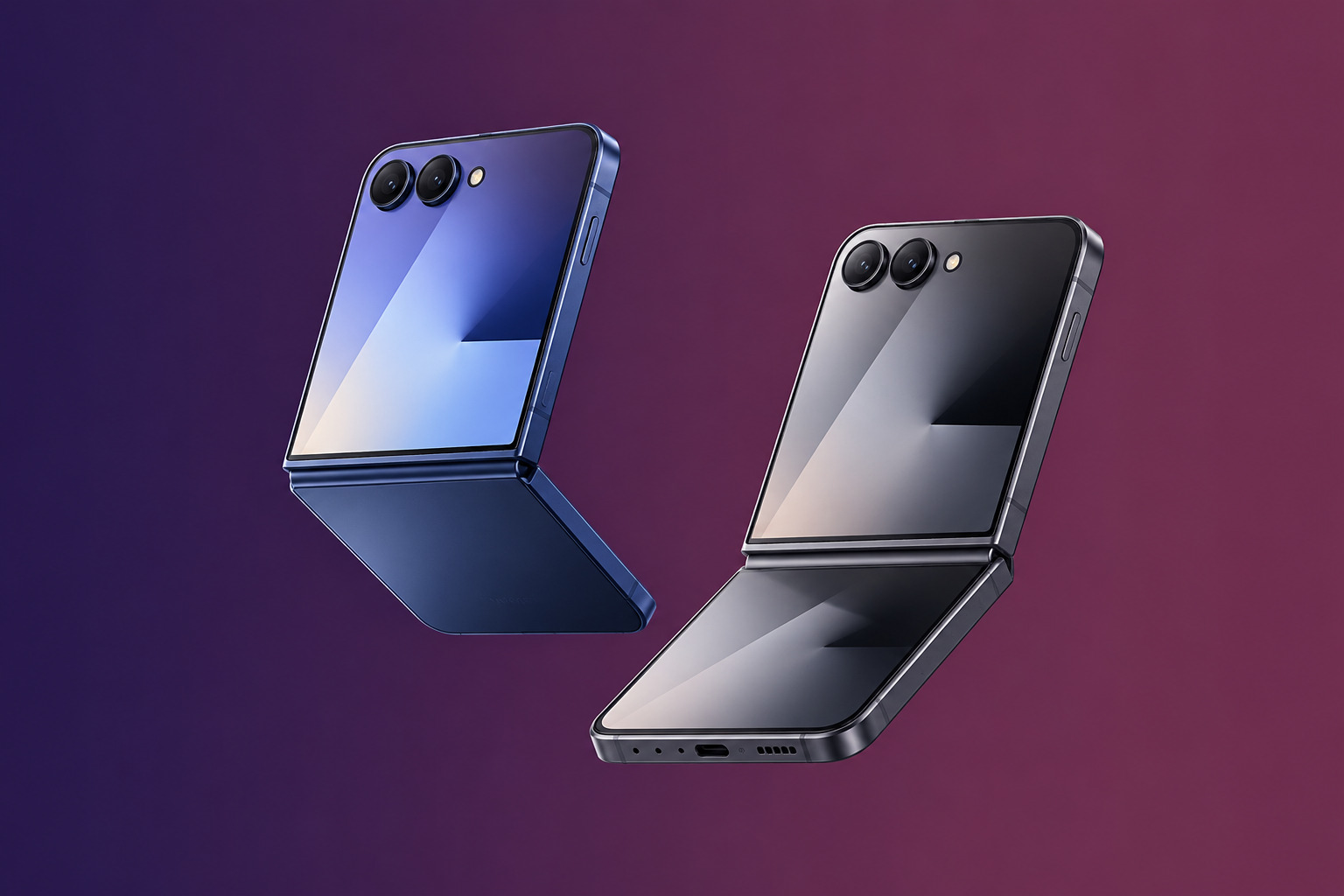
The best new smartphones 2026 has brought to the US market reflect a significant shift in how manufacturers compete. Camera performance still matters, but buyers now have more choices in screen design, software intelligence, device size and long-term value.
Apple, Samsung, Google and Motorola have approached these priorities differently. Some devices emphasize productivity and large displays. Others concentrate on photography, everyday reliability or more affordable access to modern features.
The challenge is identifying which improvements genuinely matter to you.
A more expensive phone is not automatically a better purchase. Similarly, a foldable device may offer remarkable flexibility without being the most practical choice for someone who values battery endurance or simplicity.
This guide compares the major smartphone families represented in the 2026 US market, focusing on their intended strengths, buying considerations and network flexibility.
The Smartphone Class of 2026: A Year of Meaningful Innovation
The smartphone market has matured considerably.
Most modern flagship phones already provide excellent displays, capable cameras and sufficient performance for ordinary applications.
Manufacturers therefore face a different challenge: giving consumers meaningful reasons to upgrade.
Three trends stand out.
First, foldable designs are becoming a more prominent alternative to conventional smartphones.
Second, software-based photography and AI-assisted features continue to influence how users interact with their devices.
Third, manufacturers increasingly differentiate their products through the overall experience rather than a single headline specification.
Long-term software support, repair costs, carrier compatibility and resale value also deserve attention.
A phone that performs exceptionally well today but proves difficult to maintain or use on another network may be less attractive over several years.
Apple’s 2026 Lineup: Premium Performance and a New Form Factor
Apple’s 2026 portfolio spans conventional premium smartphones, a more accessible model and a new foldable direction.
iPhone 18 Pro and Pro Max: Premium iOS Performance and Video
The iPhone 18 Pro and Pro Max target users who want Apple’s premium smartphone experience.
Their strongest appeal lies in the combination of hardware, iOS integration, camera processing and the broader Apple ecosystem.
For people who regularly record video, the Pro family is particularly relevant because Apple’s premium phones emphasize consistent camera behavior and integrated video workflows.
The Pro Max format also appeals to users who prefer a larger screen for editing, reading and multitasking.
However, the larger device is not necessarily the better choice.
A buyer who values one-handed use may prefer the smaller Pro model.
The important comparison involves screen size, battery needs, ergonomics and the actual features available on each configuration.
iPhone Duo: Apple’s Foldable Direction
The iPhone Duo introduces a different purchasing decision.
Rather than simply choosing between two conventional screen sizes, buyers can consider whether a foldable design suits their daily activities.
A larger unfolded display can be attractive for reading documents, reviewing photographs and working across applications.
However, foldable devices also introduce questions about thickness, hinge durability, repair costs and the long-term condition of flexible displays.
The Duo is most compelling for someone who will regularly use its expanded screen.
For consumers who rarely multitask or read extensive content on a phone, a conventional flagship may remain more practical.
iPhone 17e: A More Accessible Apple Option
The iPhone 17e serves a different audience.
Its appeal comes from providing access to the Apple ecosystem without requiring the price of a premium Pro device.
For everyday messaging, navigation, photography and applications, a more affordable iPhone can be entirely sufficient.
The main trade-offs typically concern premium hardware features rather than basic smartphone usability.
Buyers should compare the exact camera system, display characteristics, storage and supported connectivity features before deciding.
Samsung’s 2026 Lineup: Something for Every Android User
Samsung offers one of the broadest product ranges among major US smartphone brands.
Galaxy S26 Ultra: Photography and Productivity
The Galaxy S26 Ultra targets demanding users who want a large display and a versatile premium experience.
Its position within Samsung’s lineup makes it particularly relevant to people who prioritize photography, productivity and extensive device controls.
However, buyers should evaluate actual image quality rather than rely only on camera-resolution figures.
Processing, lens selection, stabilization and performance in difficult lighting often matter more than megapixels alone.
Galaxy S26 and S26+: Traditional Flagship Alternatives
The standard Galaxy S26 models provide a more conventional flagship experience.
They are suitable for users who want premium Android performance without necessarily choosing the largest or most expensive device.
The distinction between the standard and Plus formats often comes down to screen size, battery preferences and ergonomics.
Galaxy Z Fold8 and Z Flip8: Two Foldable Approaches
Samsung’s Fold and Flip families solve different problems.
The Galaxy Z Fold8 emphasizes a larger working display that can make multitasking and document viewing more comfortable.
The Galaxy Z Flip8 focuses on portability, allowing a larger smartphone screen to fold into a smaller physical package.
Neither design is universally superior.
The Fold approach suits productivity-oriented users, while the Flip format appeals to people who value compact carrying dimensions.
Galaxy A57 and A37: Midrange Alternatives
Samsung’s A-series models are relevant to buyers who want modern features without flagship pricing.
The central question is whether the savings justify differences in camera capability, processing performance and premium materials.
For many consumers, a well-chosen midrange phone offers better value than a flagship whose advanced features remain unused.
Google’s Pixel 11 Family: Photography and Software Intelligence
Google’s Pixel smartphones emphasize software integration, computational photography and a relatively direct Android experience.
Pixel 11 Pro and Pro XL
The Pixel 11 Pro family is particularly relevant to people who value Google’s photography approach and software features.
Rather than comparing cameras solely through hardware specifications, buyers should examine portraits, moving subjects, nighttime photographs and video.
The Pro XL format also offers a larger-screen alternative.
Pixel 11 Pro Fold
Google’s foldable approach combines a larger display with Pixel software.
Its appeal is strongest for people who want both Google’s Android experience and the productivity advantages of a folding device.
As with other foldables, buyers should consider repair arrangements, device weight and whether the larger screen will justify the premium.
Pixel 10a
The Pixel 10a represents a more budget-conscious route into Google’s ecosystem.
For buyers who prioritize everyday photography, software usability and affordability, it may be more sensible than paying substantially more for capabilities they rarely need.
Motorola’s 2026 Smartphones: Distinctive Designs and Foldable Alternatives
Motorola remains an interesting alternative to the largest smartphone manufacturers.
Motorola Razr Ultra (2026)
The Razr Ultra appeals to users who want a premium flip-style smartphone.
Its design emphasizes portability and the distinctive experience of using a foldable display.
Buyers should compare its outer-screen usability, hinge design and repair support with competing flip phones.
Motorola Razr Fold
Motorola’s book-style foldable direction targets users interested in a larger display for work and entertainment.
Its relevance depends on the exact US retail configuration and availability.
As with any new foldable product, prospective buyers should prioritize independent durability assessments and support arrangements over launch marketing.
Motorola Edge (2026)
The Edge family offers a more traditional smartphone alternative.
It is worth considering for buyers who prefer a conventional design and want to compare Motorola’s software experience, pricing and hardware balance against competing Android devices.
Best 2026 Smartphones by User Priority
The best new smartphones 2026 offers depend less on brand rankings than on the buyer’s priorities.
Photography
Consider the iPhone 18 Pro family, Galaxy S26 Ultra and Pixel 11 Pro models.
Compare actual photographs and videos under similar conditions.
Pay particular attention to moving subjects, low light and image consistency.
Productivity
Large-screen devices such as the Galaxy Z Fold8, Pixel 11 Pro Fold and iPhone Duo deserve consideration.
Their value depends on whether you regularly use the additional display area.
Compact Design
The Galaxy Z Flip8 and Motorola Razr Ultra offer an alternative to carrying a conventional large smartphone.
However, folded thickness and unfolded usability both matter.
Battery Life
Do not assume the largest battery specification guarantees the longest endurance.
Display efficiency, software optimization and cellular reception affect real-world results.
Independent battery testing is more useful than marketing claims.
Value for Money
The iPhone 17e, Pixel 10a and Samsung’s midrange Galaxy A models deserve attention.
Compare total ownership cost, software support and storage rather than purchase price alone.
Choosing the right smartphone is only part of the decision. Understanding carrier compatibility and network restrictions can help you make the most of your new device.
Buying Unlocked vs Carrier-Locked: What to Consider
A smartphone’s hardware and its carrier restrictions are separate purchasing considerations.
An unlocked phone generally offers more flexibility to activate service with compatible providers.
A carrier-locked device may initially be available through a promotional arrangement, but switching networks can depend on eligibility conditions.
Before buying, check whether the phone is sold unlocked, whether financing applies and which networks support the exact model.
This is particularly important with imported devices and regional variants.
A carrier unlock cannot add missing cellular bands or guarantee features such as Wi-Fi Calling.
Buyers should also compare the complete cost of any carrier promotion, including required service plans and future bill credits.
For additional guidance, see related information on carrier unlocking eligibility and smartphone network compatibility.
Which 2026 Smartphone Is Right for You?
There is no single winner for every buyer.
Choose an iPhone if Apple’s ecosystem and software experience match your priorities.
Consider Samsung for its broad selection of conventional, foldable and midrange devices.
Look at Google’s Pixel family if software-driven photography and Android integration appeal to you.
Explore Motorola if design and alternative form factors matter.
Before purchasing, confirm the exact US model, retail availability, specifications and carrier compatibility. Model names alone do not establish that every configuration is sold in every market.
The strongest choice is the device whose advantages you will actually use over several years.
The best new smartphones 2026 has delivered are not simply the most expensive models. They are the phones that balance performance, practicality, support and long-term flexibility for the individual buyer.
UnlockBase.com provides professional unlocking services for supported devices, helping smartphone owners enjoy greater flexibility from their investment.
All products, and company names, logos, and service marks (collectively the "Trademarks") displayed are registered® and/or unregistered
trademarks™ of their respective owners.
The authors of this web site are not sponsored by or affiliated with any of the third-party trade mark or third-party registered trade mark owners,
and make no representations about them, their owners, their products or services.
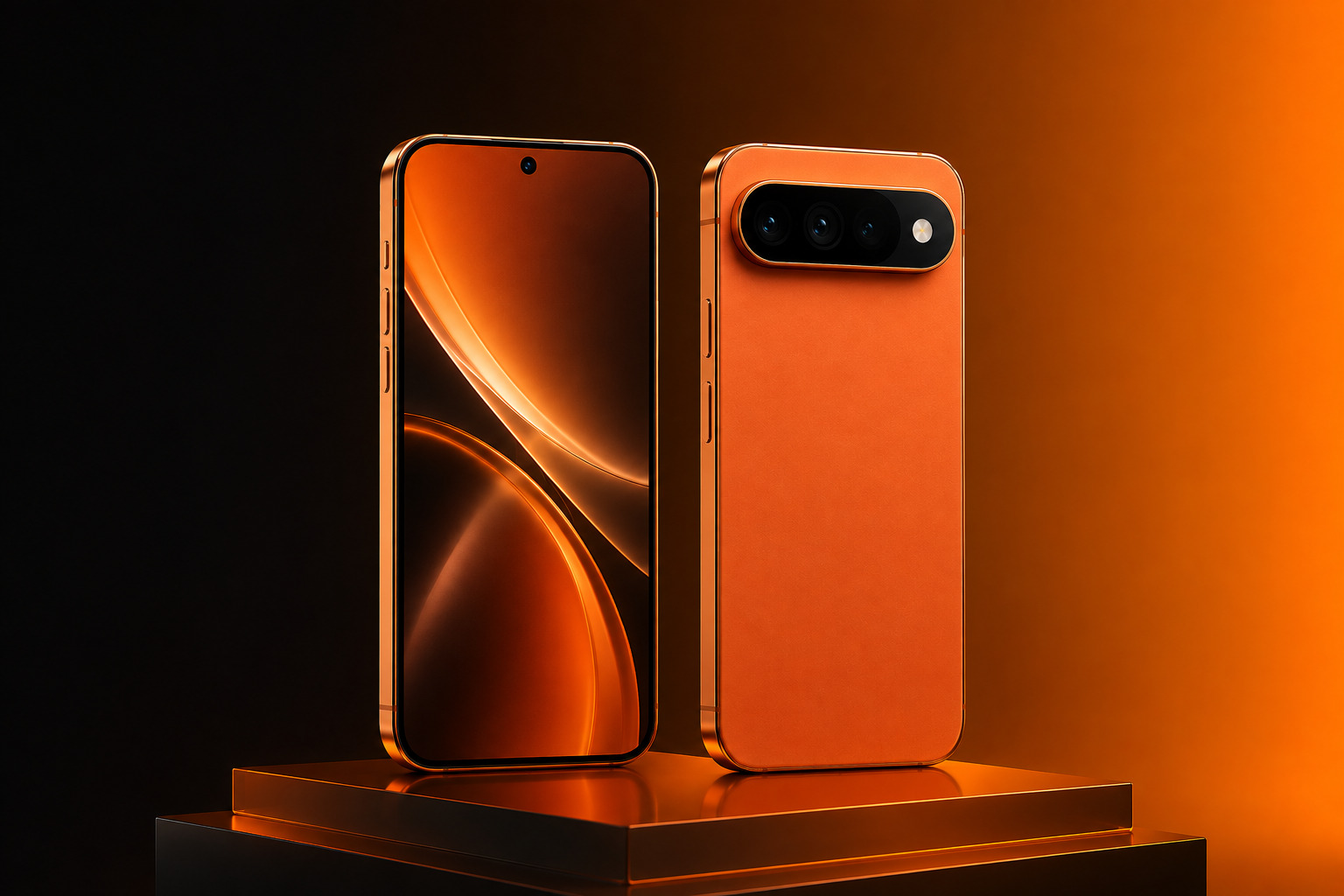
Google has officially introduced its newest flagship generation, making this Google Pixel 11 Pro review particularly timely. Announced as part of the Pixel 11 family at Made by Google 2026, the new Pro arrives alongside the Pixel 11, Pixel 11 Pro XL, and Pixel 11 Pro Fold. (TechCrunch)
The Pixel 11 Pro continues Google’s increasingly clear strategy for its smartphones: combine premium hardware with cameras, Android, Gemini, and Google’s own Tensor silicon to create an experience that depends as much on software intelligence as conventional specifications.
This year’s phone brings the new Tensor G6 processor, camera improvements, deeper Gemini integration, upgraded battery performance, and several photography and video tools. The question is whether those changes make the Pixel 11 Pro a meaningful step forward—or simply a refinement of an already mature flagship.
The Pixel 11 Pro Arrives: Google’s 2026 Flagship Strategy
The Google Pixel 11 Pro sits at the heart of Google’s premium smartphone range. It offers the Pro experience without requiring buyers to move to the larger Pro XL or the significantly more expensive foldable.
Google has also pushed the Pixel family further into premium territory this year. The Pixel 11 Pro starts at around $1,100 in the US, while the Pro XL begins around $1,300. At the same time, Google has increased the starting storage across the new phones to 256GB. (AP News)
That pricing changes the conversation around Pixel. Google is no longer competing primarily by offering a slightly more affordable alternative to the most expensive smartphones. It increasingly expects Pixel to compete directly on experience.
And that experience revolves heavily around AI.
The Pixel 11 series combines Google’s control over Android, Gemini, Tensor silicon, and camera processing. Instead of treating AI as an isolated collection of applications, Google continues moving it deeper into everyday tasks—from photography and translation to communication and content creation.
What’s New in the Pixel 11 Pro
The biggest Pixel 11 Pro features are not necessarily dramatic changes that completely reinvent the smartphone. Instead, Google has refined several areas that affect daily use.
The new generation brings Tensor G6, upgraded displays and batteries, new camera capabilities, and a more proactive version of Google’s Gemini-powered experience. (TechCrunch)
Design and Display
Google has continued refining the visual identity established by recent Pixel generations rather than abandoning it for another major redesign.
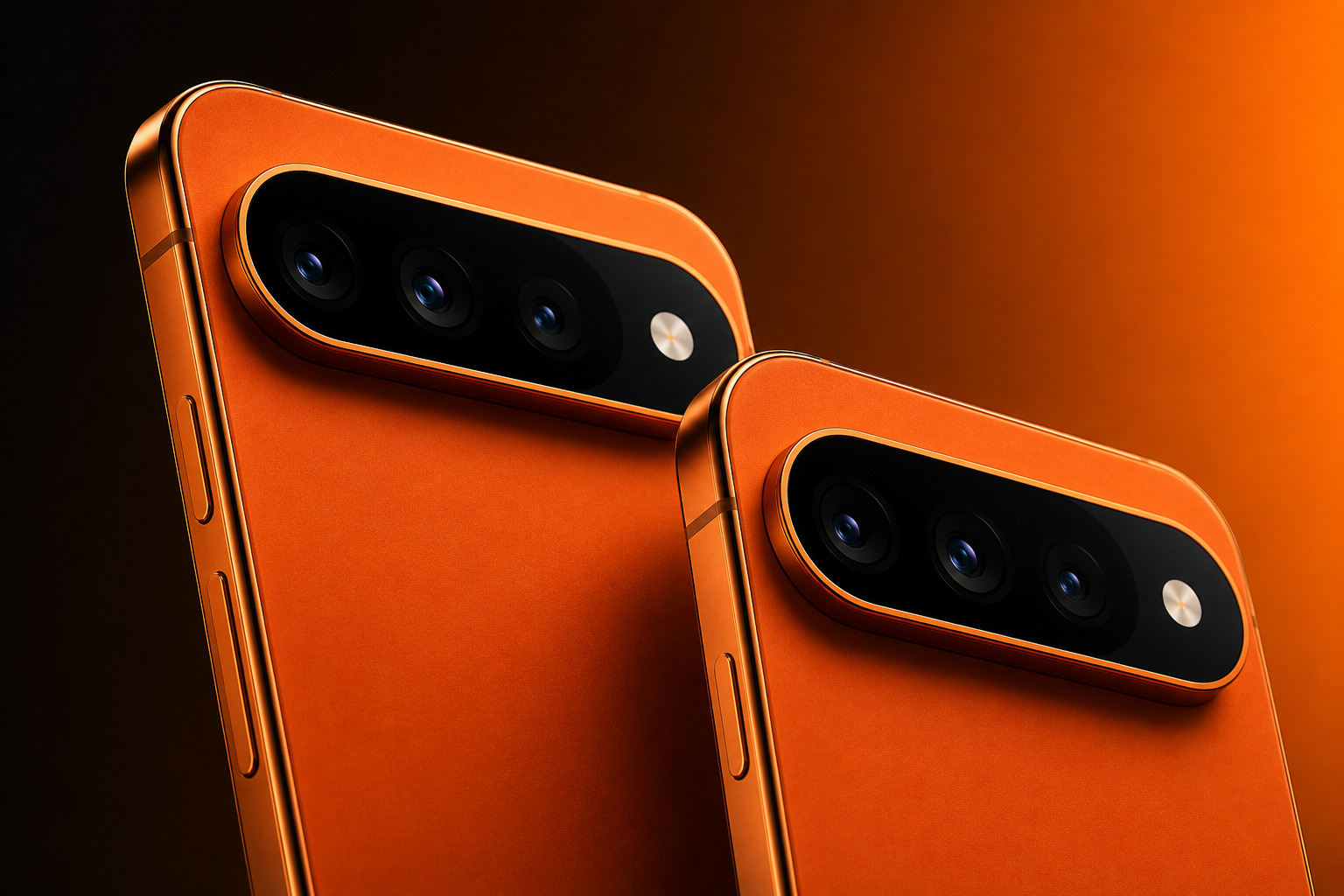
One notable change is a slimmer approach to the camera hardware. The Pixel camera system remains an important part of the phone’s identity, but Google has worked to make the overall hardware feel more polished while improving the photographic system behind it. (AP News)
The Pro models also introduce Google’s new HiLight LED. Rather than functioning simply as another decorative hardware feature, it can provide visual alerts and adds another layer to how the device communicates information to its owner. (WIRED)
Display improvements continue the same philosophy. Instead of changing what a Pixel fundamentally looks like, Google is concentrating on making the premium experience more refined.
Tensor G6 and Performance
At the center of the Google Pixel 11 series is Google’s new Tensor G6 processor.
Tensor has never been solely about winning raw benchmark comparisons. Google develops its chips around the tasks it wants Pixel phones to perform, particularly computational photography, machine learning, security, voice processing, and AI.
Tensor G6 continues that strategy while providing improvements to general performance and efficiency. Google has paired the chip with battery improvements that push the new Pixel generation beyond 30 hours of stated battery life under Google’s usage measurements. (The Verge)
For everyday users, that matters more than benchmark numbers.
A modern flagship already has enough performance for messaging, browsing, navigation, photography, streaming, and most games. The more meaningful question is whether the processor can deliver that performance efficiently while supporting increasingly complex AI tasks.
That is where Google Tensor G6 becomes particularly important to the Pixel 11 Pro.
Google’s Latest AI Experience
AI remains one of Google’s strongest arguments for buying a Pixel.
The Pixel 11 generation expands Gemini’s role with more proactive assistance and new intelligent features across communication, media, photography, and accessibility. Google has also introduced real-time media translation and expanded Live Transcribe capabilities, including support for American Sign Language. (TechCrunch)
The important development is not simply the number of AI features available. It is how deeply Google can integrate them into Android.
A Pixel can combine information from the operating system, camera, voice input, Google services, and Gemini in ways that standalone AI applications cannot always replicate as naturally.
For buyers interested in AI-first smartphones, this integration remains one of the strongest reasons to consider Google’s flagship.
Camera: Can Google Push Computational Photography Further?
Pixel phones built much of their reputation on computational photography. The Pixel 11 Pro therefore faces an unusual challenge: Google needs to improve a camera experience that is already highly developed.
This year, the company is pushing further into both capture and processing.
The Pro models introduce features including Instant Night Sight, Pro Stable Video, and zoom capabilities reaching up to 120x. Google has also introduced Magic Capture and additional creative tools for extracting or creating useful images from captured moments. (WIRED)
Some of the most interesting improvements concern situations where smartphone cameras traditionally struggle: distant subjects, low-light scenes, movement, and video stabilization.
This approach illustrates why evaluating Pixel cameras purely by megapixel numbers has become increasingly difficult. Hardware still matters, but Google’s photography experience depends heavily on what happens after light reaches the sensor.
Tensor processing and AI can combine frames, reduce noise, stabilize footage, identify subjects, and optimize the final image within seconds.
For everyday photographers, the result may matter far more than the technical process behind it.
Pixel 11 Pro vs Pixel 10 Pro: Is It a Meaningful Upgrade?
The comparison between the Pixel 11 Pro vs Pixel 10 Pro is more nuanced than the difference between an old phone and a modern one.
The Pixel 10 Pro already offered Google’s Tensor G5, Gemini integration, a premium camera system, Wi-Fi 7, Bluetooth 6.0, UWB, and Google’s broader AI-focused Pixel experience. (Wikipedia)
The Pixel 11 Pro builds on that foundation rather than replacing it.
The most meaningful changes include:
The move from Tensor G5 to Tensor G6
Further camera and computational photography improvements
Expanded AI and Gemini capabilities
Improved battery performance
New photography and video tools
Additional hardware refinements such as the HiLight LED
For someone using an older Pixel, these improvements accumulate into a substantial upgrade.
For a Pixel 10 Pro owner, however, the decision is less obvious. If the existing device still performs well, upgrading after only one generation may offer limited practical value unless the new camera, AI, or battery features solve a specific need.
That is increasingly true across the premium smartphone market. Annual improvements remain important, but smartphones have matured enough that many users can comfortably keep a flagship for several years.
Connectivity, Carrier Availability and Global Use
A premium phone’s value depends not only on its processor and camera but also on where and how it can be used.
Pixel availability has expanded considerably over recent generations, yet regional differences still matter. Specific models can vary in network configuration, carrier availability, and supported features depending on the market.
Buyers should therefore check more than the model name when purchasing internationally.
Before buying a Pixel 11 Pro—particularly from another country or through a carrier—consider:
Whether the specific variant supports the required network bands
Whether the phone is carrier-locked
SIM and eSIM support for the intended market
5G compatibility with the destination network
Carrier-specific activation requirements
An unlocked phone does not automatically guarantee complete compatibility with every network worldwide. Likewise, a technically compatible device may still face restrictions if it remains locked to its original carrier.
These details become especially important for people who travel frequently, relocate between countries, use international eSIM services, or expect to change providers during the lifetime of the phone.
Whether buying the Pixel 11 Pro directly or through a carrier, understanding its network configuration can help preserve flexibility if your needs change later.
Who Should Consider the Pixel 11 Pro?
The Pixel 11 Pro makes the strongest case for users who value Google’s combination of camera processing, Android integration, and AI.
It is particularly appealing to people upgrading from an older Pixel generation. Moving from a Pixel 8 or earlier device, for example, allows several generations of improvements to accumulate into one upgrade.
Photography-focused users may also find the new Pro particularly interesting. Features such as enhanced zoom, low-light processing, stabilization, and AI-assisted capture continue pushing Pixel beyond traditional point-and-shoot smartphone photography.
The Pixel 11 Pro may also suit users who want a premium flagship without moving to the larger Pro XL form factor.
However, current Pixel 10 Pro owners should evaluate the upgrade carefully. Tensor G6 and the latest AI and camera features are meaningful developments, but they do not automatically make a one-year-old flagship obsolete.
The better question is not simply, “Is the Pixel 11 Pro better?”
It is: “Will the improvements change how I actually use my phone?”
Google’s Flagship Is Becoming an AI Platform
The Google Pixel 11 Pro review ultimately reveals something larger than another annual smartphone refresh.
Google is increasingly using Pixel as the hardware expression of its broader AI strategy.
Tensor G6, Gemini, computational photography, translation, accessibility tools, and proactive assistance are not separate selling points. They form an increasingly connected ecosystem in which Google’s hardware and software work together.
That approach also gives the Pixel 11 Pro potential beyond launch day. Modern smartphones increasingly gain meaningful capabilities through software and AI updates after purchase, making long-term ownership an important part of the value equation.
For consumers, this makes factors such as carrier flexibility, network compatibility, software support, and international usability increasingly relevant when choosing an expensive flagship.
Conclusion
The Pixel 11 Pro represents a refined but important step in Google’s flagship strategy. Tensor G6 provides the foundation for the new generation, while upgraded cameras, stronger battery performance, deeper Gemini integration, and new AI tools strengthen the experience around it.
It may not make every Pixel 10 Pro owner rush to upgrade. However, users coming from older Pixel generations—or buyers specifically looking for Google’s combination of computational photography and AI—will find a considerably more compelling proposition.
The larger story is Google’s continued transformation of Pixel from an Android showcase into a tightly integrated AI smartphone platform.
And when investing in a premium device designed to last for years, flexibility matters alongside performance.
UnlockBase.com provides professional unlocking solutions for users who want greater freedom and long-term flexibility from their mobile devices.
All products, and company names, logos, and service marks (collectively the "Trademarks") displayed are registered® and/or unregistered
trademarks™ of their respective owners.
The authors of this web site are not sponsored by or affiliated with any of the third-party trade mark or third-party registered trade mark owners,
and make no representations about them, their owners, their products or services.
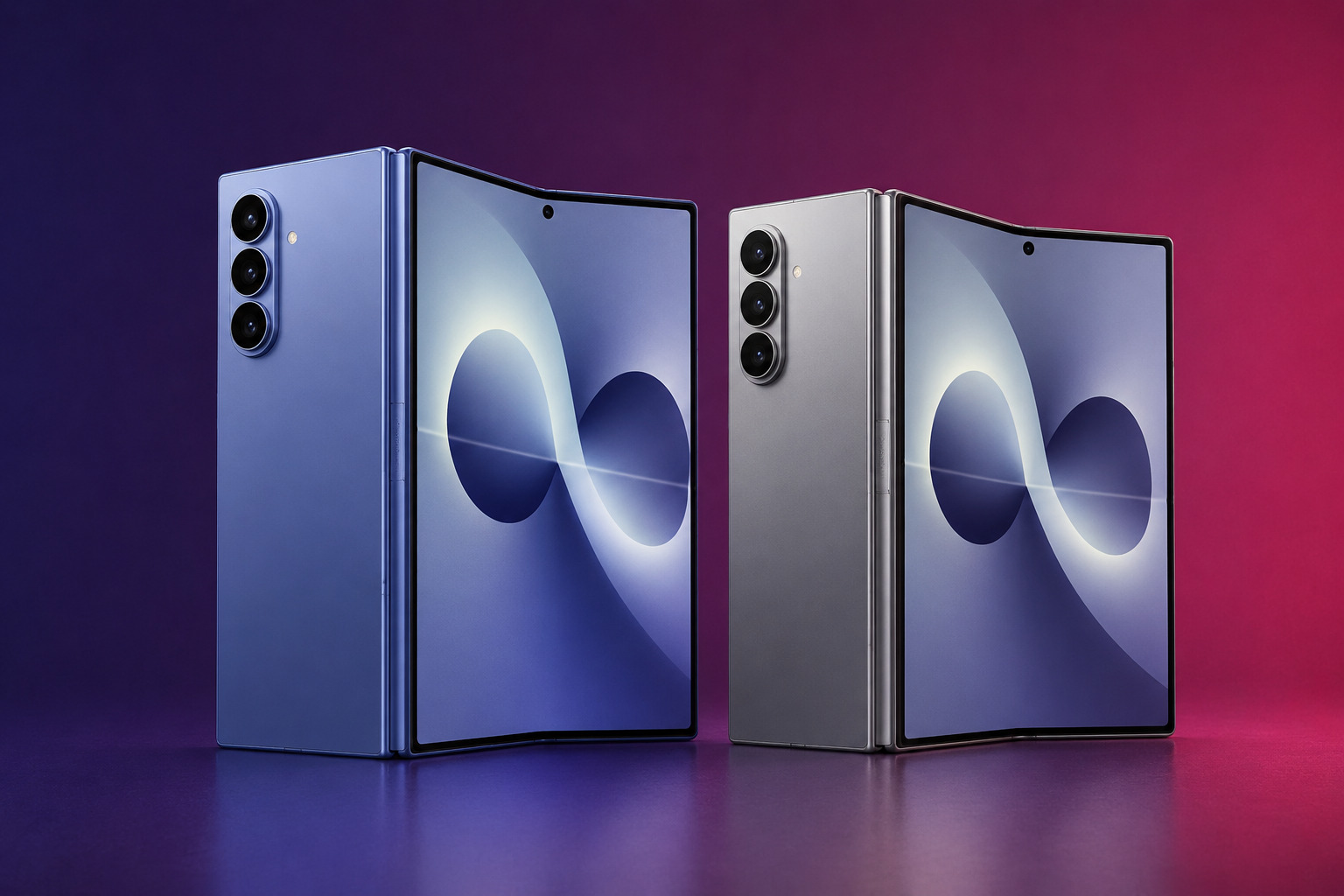
The Samsung Galaxy Z Fold 8 and Z Flip 8 represent the latest chapter in Samsung’s foldable smartphone journey. What started as an ambitious experiment has evolved into a mature product category that now plays a major role in the premium smartphone market.
In 2026, foldables are no longer niche devices reserved for early adopters. They have become practical, refined, and increasingly attractive to mainstream users. With the launch of the Samsung Galaxy Z Fold 8 and Z Flip 8, Samsung continues to push the boundaries of smartphone design while improving durability, usability, and everyday functionality.
Whether you’re interested in productivity, portability, or simply experiencing something different from the traditional smartphone format, Samsung’s newest foldables offer compelling reasons to pay attention.
Samsung’s Foldable Vision for 2026
Samsung has spent years refining its foldable technology, and the results are becoming increasingly apparent.
The company’s vision for 2026 focuses on making foldable devices feel less like specialized gadgets and more like natural alternatives to conventional smartphones. Rather than asking users to adapt to a new form factor, Samsung aims to make foldables fit seamlessly into everyday life.
The latest generation builds upon several years of improvements in:
Hinge durability
Display technology
Software optimization
Battery efficiency
Device thickness and weight
As a result, the new Samsung foldables feel more polished and practical than ever before.
Samsung also continues to strengthen its position within the Android ecosystem, competing not only against traditional flagship devices but increasingly against tablets and laptops in certain usage scenarios.
What’s New in the Galaxy Z Fold 8
The Galaxy Z Fold line remains Samsung’s productivity-focused foldable series.
The Galaxy Z Fold 8 features focus on improving the experience for users who want maximum screen space without carrying multiple devices.
Productivity & Multitasking Improvements
Samsung has continued to enhance multitasking capabilities across the Fold series.
The larger inner display allows users to comfortably:
Run multiple applications simultaneously
Work with split-screen layouts
Manage documents and spreadsheets
Participate in video conferences while taking notes
Software optimizations further improve app scaling and window management.
For professionals and power users, the Fold 8 increasingly serves as a hybrid between a smartphone and a compact tablet.
Samsung’s AI-powered productivity tools also help streamline daily workflows, making multitasking more intuitive than previous generations.
Display and Hinge Refinements
One of the most important improvements in the Fold series comes from ongoing refinement rather than dramatic redesign.
The Fold 8 introduces:
A more durable hinge mechanism
Improved crease reduction
Enhanced brightness and outdoor visibility
Better screen protection
These updates address some of the concerns that historically made users hesitant about foldable devices.
The result is a device that feels more robust and confidence-inspiring during everyday use.
Samsung’s engineering efforts continue to narrow the gap between foldables and traditional premium smartphones in terms of durability.
What’s New in the Galaxy Z Flip 8
While the Fold targets productivity enthusiasts, the Galaxy Z Flip series focuses on portability and convenience.
The Galaxy Z Flip 8 review conversation centers largely around refinement and practicality.
Compact Design Evolution
The Flip 8 continues Samsung’s approach of delivering flagship performance in a compact foldable form factor.
When folded, the device becomes significantly smaller than traditional smartphones, making it easier to:
Carry in smaller pockets
Fit into compact bags
Handle with one hand
Despite its compact size, the device still offers a full-sized smartphone experience when unfolded.
Samsung has also refined the overall design language, making the device feel more premium and cohesive.
Cover Screen & Everyday Convenience
The external cover display remains one of the Flip’s most distinctive features.
The larger and more capable cover screen allows users to:
View notifications
Respond to messages
Control media playback
Access widgets
Check navigation directions
This reduces the need to open the device for every interaction.
For many users, these small conveniences add up throughout the day and contribute significantly to the overall experience.
Fold vs Flip: Which User Is Each Device Designed For?
The ongoing Galaxy Fold vs Flip discussion comes down largely to lifestyle and priorities.
The Fold 8 appeals to users who value productivity, multitasking, and larger displays. It suits professionals, content creators, and users who frequently work on the go.
The Flip 8, on the other hand, targets users who prioritize portability, style, and convenience. It delivers flagship capabilities while maintaining a more compact footprint.
Some key distinctions include:
Galaxy Z Fold 8
Larger internal display
Enhanced multitasking
Productivity-focused experience
Tablet-like functionality
Galaxy Z Flip 8
Compact folded design
Easier portability
Strong focus on everyday convenience
Fashion-forward appeal
Neither approach is inherently better. Each serves a different type of user.
When choosing a premium foldable device, it’s worth considering not only hardware features but also how freely the device can be used across different carriers and regions.
How Foldables Are Reshaping the Premium Smartphone Market
The success of the Samsung Galaxy Z Fold 8 and Z Flip 8 demonstrates how foldables are influencing the broader smartphone industry.
Manufacturers increasingly view foldables as a long-term category rather than a short-term trend.
Several factors drive this shift:
Improved durability
Better software support
Stronger consumer confidence
Greater production efficiency
As foldable technology matures, consumers gain access to new ways of interacting with mobile devices.
The category also creates differentiation in a market where traditional smartphone designs have become increasingly similar.
Samsung’s leadership position in foldables allows it to shape consumer expectations and influence future device development across the industry.
Long-Term Ownership Considerations for Foldable Devices
When purchasing any premium smartphone, long-term ownership matters.
This is particularly true for foldables, which often represent a significant investment.
Several factors should be considered.
Software Support
Samsung continues to offer extended software support for flagship devices.
Regular security updates and feature enhancements help maintain device value over time.
International Usability
Many Fold and Flip owners travel frequently or use multiple carriers.
Ensuring compatibility with local networks, eSIM support, and carrier flexibility can significantly improve long-term usability.
Resale Value
Foldable devices continue to gain acceptance in secondary markets.
As consumer confidence grows, resale values have become more stable than in the early generations of foldable technology.
Proper maintenance and an unlocked device configuration can further improve long-term value.
Durability Improvements
Each new generation addresses previous durability concerns.
The improvements found in the Samsung foldable phones 2026 lineup suggest that foldables are increasingly capable of serving as primary devices for years rather than months.
Conclusion: Foldables Continue to Mature
The Samsung Galaxy Z Fold 8 and Z Flip 8 showcase how far foldable smartphones have evolved. Samsung has refined both product lines through meaningful improvements in durability, software, displays, and everyday usability.
The Fold 8 strengthens its position as a productivity powerhouse, while the Flip 8 continues to offer a unique blend of portability and flagship performance.
As foldables become more mainstream, users have more reasons than ever to consider them as realistic alternatives to traditional smartphones.
UnlockBase.com helps users maximize the flexibility of their devices by providing professional unlocking services trusted worldwide.
All products, and company names, logos, and service marks (collectively the "Trademarks") displayed are registered® and/or unregistered
trademarks™ of their respective owners.
The authors of this web site are not sponsored by or affiliated with any of the third-party trade mark or third-party registered trade mark owners,
and make no representations about them, their owners, their products or services.