
2026
iPhone Duo Review: Apple’s First Foldable iPhone Changes the Rules
iPhone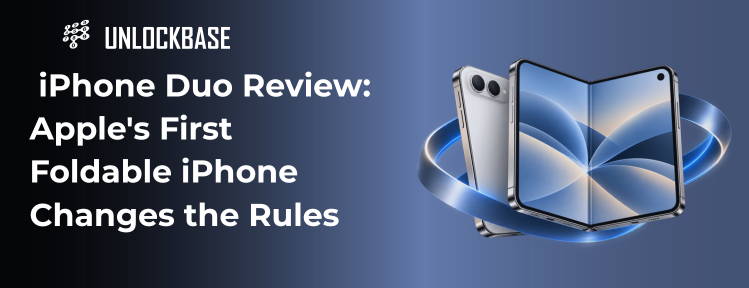
Apple’s arrival in the foldable smartphone category marks an important change in the premium mobile market. This iPhone Duo review examines what Apple’s first foldable means for smartphone buyers, how its design compares with established alternatives, and which questions matter before committing to a new form factor.
Foldable smartphones are no longer experimental curiosities. Samsung and other manufacturers have spent years refining hinges, flexible displays, multitasking software and durability. Apple enters a category where consumers already have clear expectations—and where a premium price must deliver more than an impressive folding mechanism.
For potential buyers, the central question is whether the iPhone Duo offers enough practical advantages to justify choosing it over a conventional flagship.
Apple’s First Foldable iPhone: Why It Matters
Apple’s entry into foldables matters for reasons beyond the device itself.
The company has historically favored established product categories where it can combine hardware, software and ecosystem integration into a tightly controlled experience. Its approach to foldables will therefore be judged not only by engineering specifications but also by everyday usability.
A foldable iPhone has the potential to change how people use mobile applications, particularly when switching between compact and expanded screen configurations.
It also brings foldable hardware into an ecosystem where customers may already depend on iCloud, iMessage, FaceTime, AirDrop, Apple Watch and Mac continuity features.
For existing iPhone users who previously considered a foldable Android phone but hesitated to change platforms, the Duo introduces another option.
However, the arrival of an Apple foldable does not automatically make the format ideal for everyone.
The device still needs to justify its additional complexity, weight, cost and potential repair considerations.
Design, Hinge and Dual Displays
The defining feature of the iPhone Duo is its folding construction.
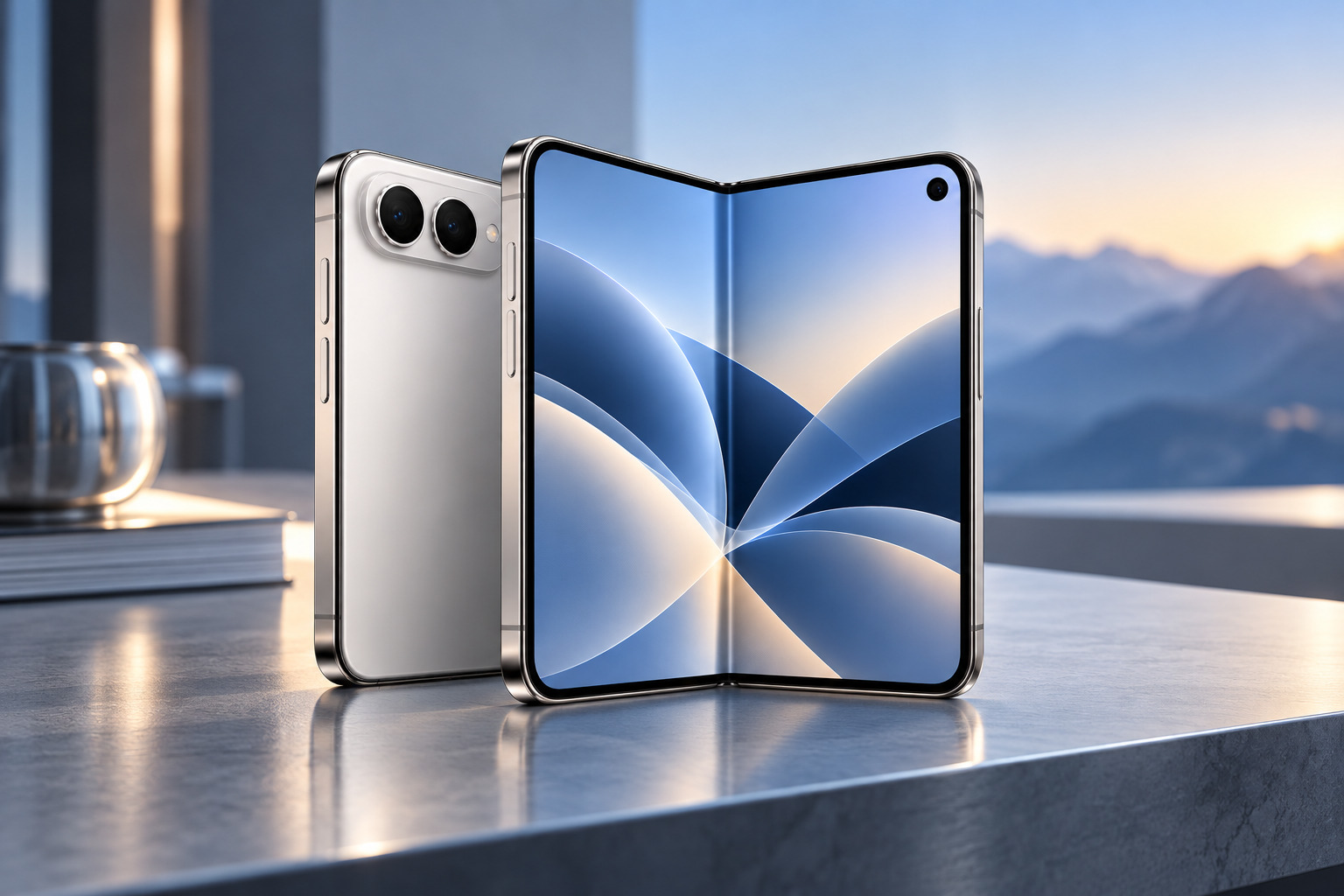
Unlike a conventional smartphone, which offers one primary display, a book-style foldable combines an exterior screen for quick interactions with a larger interior display for more expansive tasks.
That arrangement creates two distinct ways to use the same device.
The Outer Display: Everyday Convenience
A foldable’s exterior screen should handle the tasks people perform most frequently.
These include replying to messages, checking notifications, making calls, using maps, scanning boarding passes and taking quick photographs.
If the outer display feels too narrow or awkward, users may need to unfold the device unnecessarily.
A successful design therefore depends on making the closed phone genuinely useful rather than treating the exterior display as a secondary accessory.
The Inner Display: The Main Attraction
Opening the Duo creates more room for reading, editing documents, browsing websites and working across applications.
This is the strongest argument for a foldable phone.
A larger display can make detailed content more comfortable without requiring a separate tablet.
It can also improve productivity for people who frequently work from their smartphones.
However, screen size alone does not guarantee a better experience. Applications must adapt properly to the expanded format.
Hinge Durability and the Display Crease
A foldable introduces mechanical elements that conventional phones do not have.
The hinge must withstand repeated opening and closing, while the flexible display must tolerate bending over time.
Potential buyers should pay attention to independent durability testing, manufacturer warranty terms and repair costs.
A visible or tactile crease is another consideration.
Its practical importance depends on how noticeable it becomes during normal use, especially when reading, scrolling or watching videos.
The best evaluation comes from handling the phone in person rather than judging the crease from promotional photographs.
Performance, Multitasking and Software
The most important performance question for a foldable is not simply how quickly it opens applications.
It is whether the device uses its expanded display effectively.
Apple’s software integration will play a central role in the Duo’s appeal.
Switching Between Displays
A well-designed foldable should allow users to begin a task on the outer screen and continue on the inner display without interruption.
For example, someone might open an email while commuting and unfold the phone to review an attached document.
The transition should feel natural.
If applications reload unnecessarily or lose their position, the larger display becomes less useful.
Multitasking Expectations
A foldable offers enough physical screen space to make simultaneous applications more practical.
Useful scenarios include comparing travel bookings, reviewing a document while messaging a colleague, or consulting a calendar during a video call.
The quality of the experience depends on the multitasking features Apple actually provides and how third-party developers support them.
Buyers should verify which split-screen, window-management and application-continuity functions are available rather than assuming the Duo duplicates every capability found on an iPad or Android foldable.
Everyday Speed
For most users, modern flagship-level processing performance already exceeds what messaging, browsing, navigation and streaming require.
Sustained performance, heat management and battery efficiency are more meaningful differentiators.
The larger interior screen may encourage longer productivity sessions, so consistent performance matters more than an isolated benchmark result.
Camera System and Battery Life
Foldable phones face an unusual engineering challenge.
They must accommodate cameras, batteries, displays and hinge components within a body that folds.
This can create compromises compared with conventional flagship smartphones.
Camera Expectations
The iPhone Duo’s camera system should be evaluated according to real-world results rather than camera count alone.
Important questions include:
- How well does the main camera handle challenging lighting?
- Is the ultrawide camera consistent with the main sensor?
- What optical zoom capabilities are available?
- How effectively does video stabilization work?
- Can the folding design improve hands-free photography?
The last point is particularly interesting.
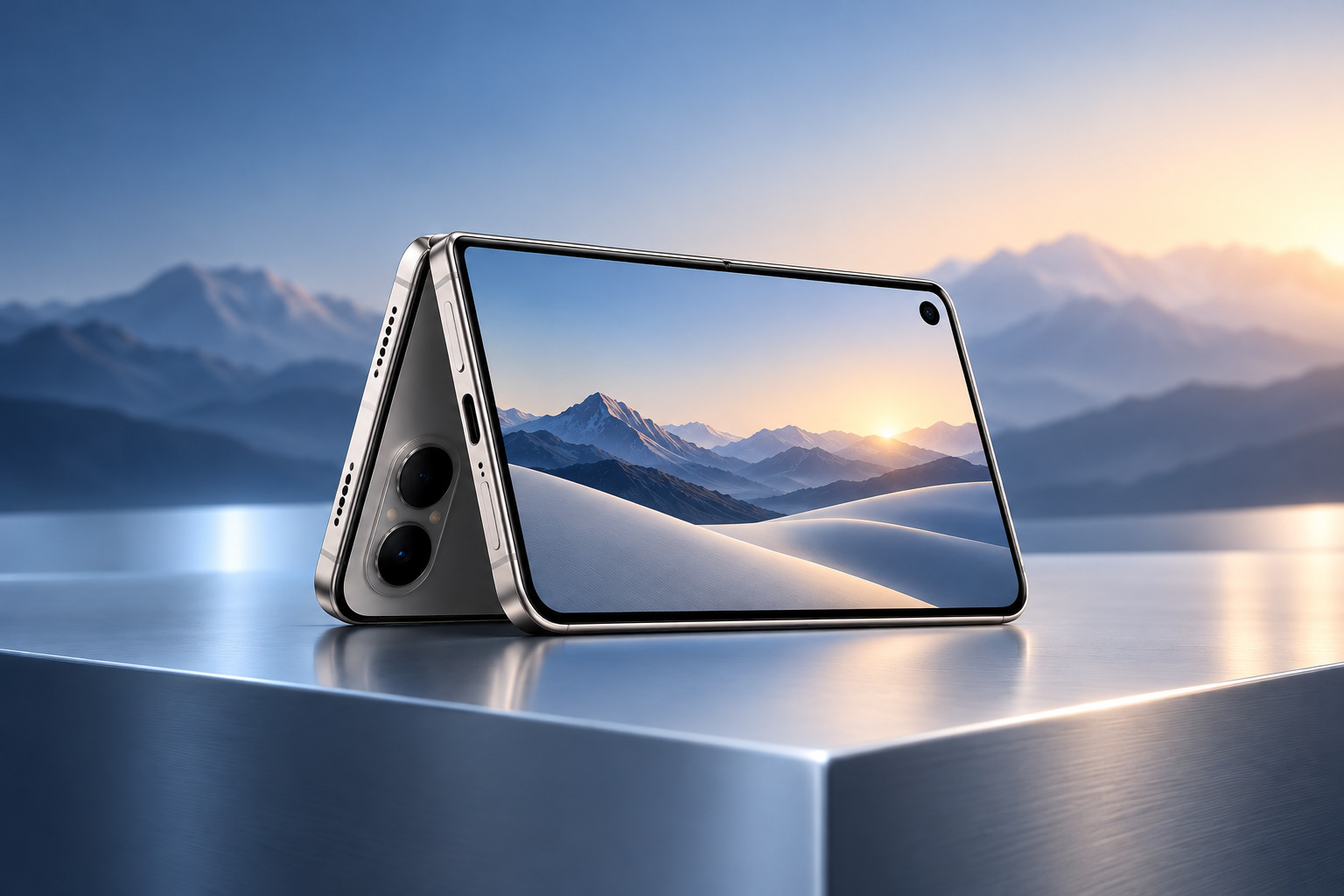
A foldable may allow the phone to rest partially open on a surface, potentially making certain photographs and video calls more convenient.
However, these advantages depend on the camera application and supported shooting modes.
Battery Life
Two displays do not necessarily operate simultaneously, but the larger interior panel can consume considerable power during extended use.
Battery endurance should therefore be assessed in two scenarios.
The first is ordinary smartphone use, primarily on the exterior display.
The second is heavier use of the interior screen for browsing, video, navigation and multitasking.
A device that performs well in the first scenario may deliver different results in the second.
Prospective buyers should look for independent battery testing that reflects how they actually intend to use the phone.
iPhone Duo vs Samsung Galaxy Z Fold 8
The most obvious competitor is Samsung’s Galaxy Z Fold 8.
Samsung has years of experience developing book-style foldable smartphones, while Apple brings its own ecosystem and software approach.
Key comparison points
| Category | iPhone Duo | Galaxy Z Fold 8 |
| Ecosystem | Apple’s iOS ecosystem | Samsung’s Android ecosystem |
| Main appeal | Foldable experience for iPhone users | Established Galaxy foldable experience |
| Multitasking | Depends on Apple’s Duo-specific implementation | Samsung’s established foldable multitasking approach |
| Accessories | Apple ecosystem integration | Galaxy ecosystem integration |
| Buying consideration | First-generation Apple foldable | Later-generation Samsung foldable |
The decision should not rest entirely on which device has the larger display or more impressive specifications.
For existing iPhone users, remaining within Apple’s ecosystem may outweigh certain hardware differences.
For users who prioritize flexible multitasking, customization and established foldable workflows, Samsung may remain attractive.
The most useful comparison involves hands-on testing of application behavior, hinge comfort, battery endurance and repair terms.
Pricing, Availability and Carrier Compatibility
Foldable phones typically occupy the upper end of the smartphone market.
The iPhone Duo’s value proposition therefore depends on more than its purchase price.
Buyers should consider storage, insurance, repair costs, warranty coverage and the availability of compatible accessories.
A foldable may also be more expensive to repair than a conventional smartphone because of its specialized display and hinge construction.
Check the Exact Regional Model
International buyers should verify the model number and cellular specifications.
Devices sold in different markets can vary in SIM configuration, supported network bands and certain regional features.
The commercial name alone is not sufficient to establish compatibility.
Carrier Lock Status Still Matters
A premium device can still be subject to carrier restrictions when sold through a participating network.
Before buying a carrier-supplied iPhone Duo, check whether it is unlocked, whether financing or account conditions apply, and when the carrier permits unlocking.
An unlocked device offers greater flexibility when changing providers or using compatible travel connectivity.
However, unlocking cannot add unsupported cellular bands or remove unrelated ownership-security restrictions.
Before choosing a carrier-supplied iPhone Duo, consider how its network restrictions could affect your flexibility later.
Who Should Buy the iPhone Duo?
The iPhone Duo makes the strongest case for buyers who genuinely benefit from a larger screen throughout the day.
That includes people who frequently read documents, review presentations, manage business communications or use several applications during travel.
It may also appeal to long-time iPhone owners who want foldable hardware without leaving Apple’s ecosystem.
Who Might Prefer a Conventional iPhone?
A conventional Pro or Pro Max model may remain the more sensible purchase for users who prioritize:
- A simpler, thinner construction
- Familiar one-handed operation
- Lower repair complexity
- Strong battery endurance
- Camera performance over screen flexibility
- Better value for routine smartphone tasks
There is little reason to pay a foldable premium if the interior screen would rarely be used.
Should Early Adopters Buy Immediately?
First-generation products deserve additional scrutiny.
Even when the manufacturer has extensive engineering experience, a new category can reveal usability issues only after months of everyday ownership.
Buyers should consider independent reviews, long-term durability reports and warranty terms before committing.
Those who value predictability may prefer waiting until the product has established a track record.
Final Verdict: A Significant New Direction for Apple
The iPhone Duo represents an important expansion of Apple’s smartphone strategy.
Its appeal rests on combining a familiar iPhone experience with the productivity and entertainment possibilities of a larger folding display.
For the right user, that combination could reduce the need to carry both a smartphone and a small tablet.
But the strongest iPhone Duo review verdict cannot come from the folding design alone. Software maturity, camera quality, battery life, durability and total ownership costs all determine whether the device delivers lasting value.
The most sensible buyer is someone who will regularly use the expanded display and appreciates the benefits of remaining within Apple’s ecosystem.
Carrier flexibility also deserves consideration, particularly when buying through a network provider or importing a regional version.
UnlockBase.com provides professional unlocking solutions for supported devices and carriers, helping smartphone owners enjoy greater network freedom as new mobile technologies arrive.
All products, and company names, logos, and service marks (collectively the "Trademarks") displayed are registered® and/or unregistered trademarks™ of their respective owners. The authors of this web site are not sponsored by or affiliated with any of the third-party trade mark or third-party registered trade mark owners, and make no representations about them, their owners, their products or services.


Comments are closed.