
2026
Google Pixel 11 Pro: Google’s New Flagship Generation Arrives
New Models
Google has officially introduced its newest flagship generation, making this Google Pixel 11 Pro review particularly timely. Announced as part of the Pixel 11 family at Made by Google 2026, the new Pro arrives alongside the Pixel 11, Pixel 11 Pro XL, and Pixel 11 Pro Fold. (TechCrunch)
The Pixel 11 Pro continues Google’s increasingly clear strategy for its smartphones: combine premium hardware with cameras, Android, Gemini, and Google’s own Tensor silicon to create an experience that depends as much on software intelligence as conventional specifications.
This year’s phone brings the new Tensor G6 processor, camera improvements, deeper Gemini integration, upgraded battery performance, and several photography and video tools. The question is whether those changes make the Pixel 11 Pro a meaningful step forward—or simply a refinement of an already mature flagship.
The Pixel 11 Pro Arrives: Google’s 2026 Flagship Strategy
The Google Pixel 11 Pro sits at the heart of Google’s premium smartphone range. It offers the Pro experience without requiring buyers to move to the larger Pro XL or the significantly more expensive foldable.
Google has also pushed the Pixel family further into premium territory this year. The Pixel 11 Pro starts at around $1,100 in the US, while the Pro XL begins around $1,300. At the same time, Google has increased the starting storage across the new phones to 256GB. (AP News)
That pricing changes the conversation around Pixel. Google is no longer competing primarily by offering a slightly more affordable alternative to the most expensive smartphones. It increasingly expects Pixel to compete directly on experience.
And that experience revolves heavily around AI.
The Pixel 11 series combines Google’s control over Android, Gemini, Tensor silicon, and camera processing. Instead of treating AI as an isolated collection of applications, Google continues moving it deeper into everyday tasks—from photography and translation to communication and content creation.
What’s New in the Pixel 11 Pro
The biggest Pixel 11 Pro features are not necessarily dramatic changes that completely reinvent the smartphone. Instead, Google has refined several areas that affect daily use.
The new generation brings Tensor G6, upgraded displays and batteries, new camera capabilities, and a more proactive version of Google’s Gemini-powered experience. (TechCrunch)
Design and Display
Google has continued refining the visual identity established by recent Pixel generations rather than abandoning it for another major redesign.
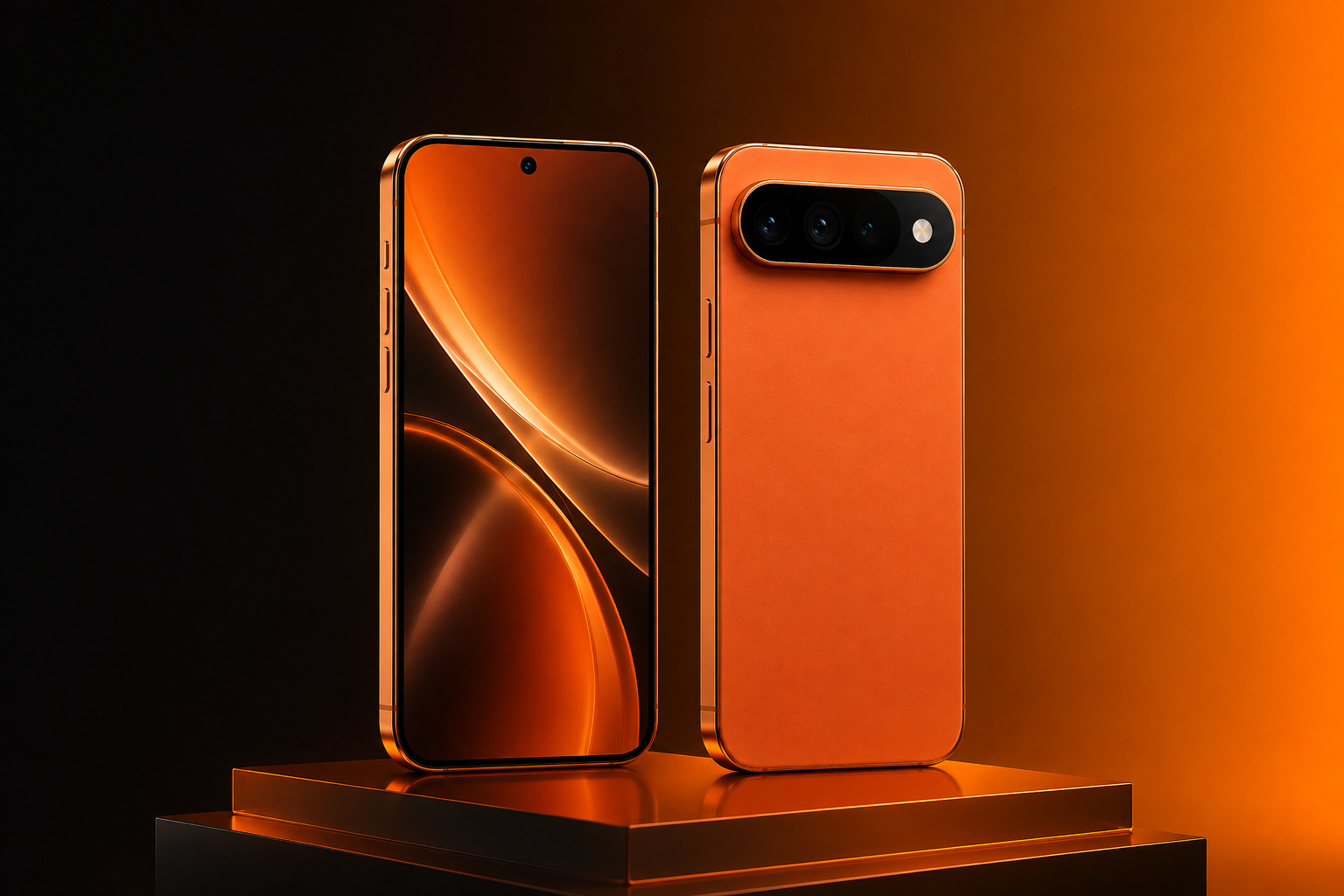
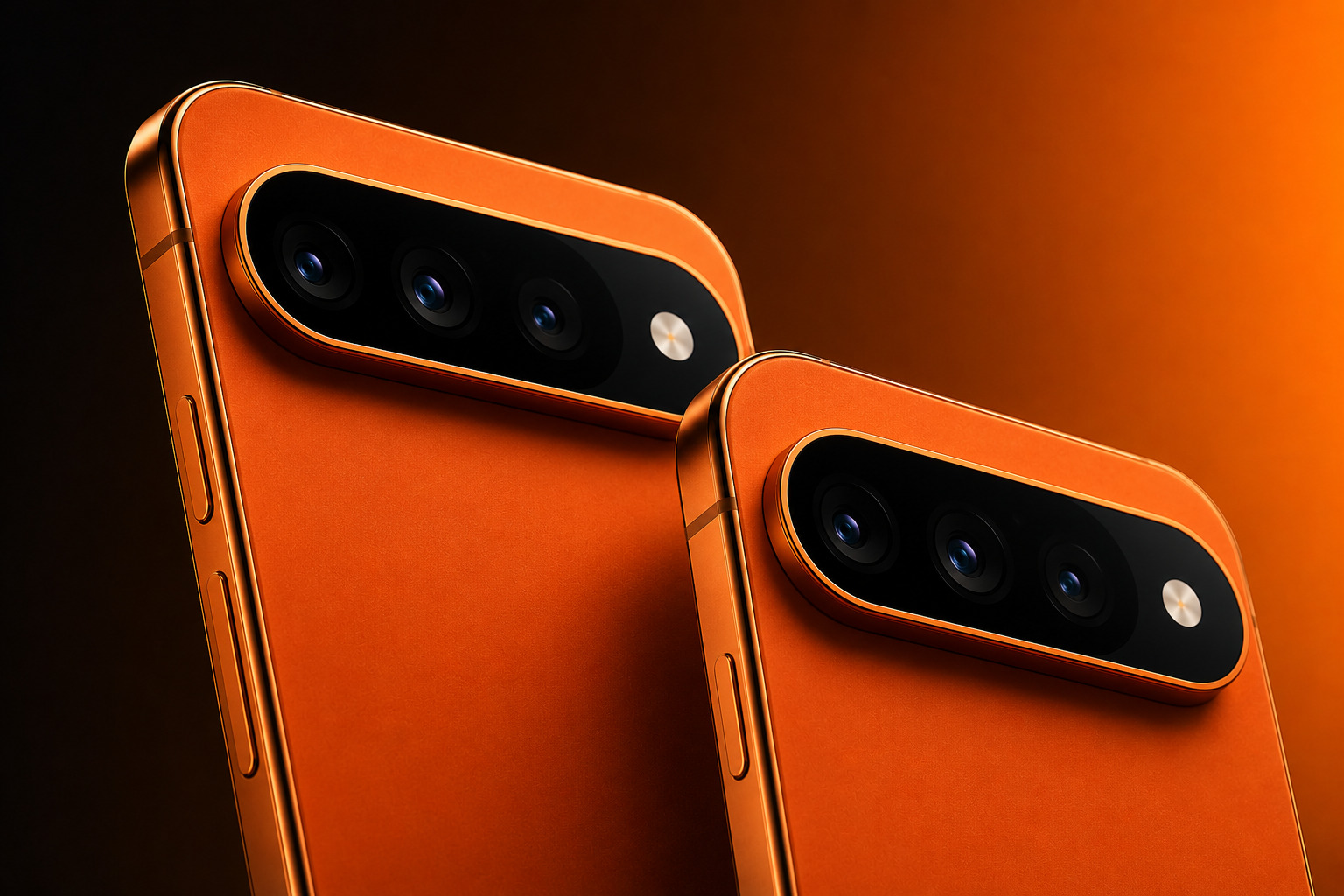
One notable change is a slimmer approach to the camera hardware. The Pixel camera system remains an important part of the phone’s identity, but Google has worked to make the overall hardware feel more polished while improving the photographic system behind it. (AP News)
The Pro models also introduce Google’s new HiLight LED. Rather than functioning simply as another decorative hardware feature, it can provide visual alerts and adds another layer to how the device communicates information to its owner. (WIRED)
Display improvements continue the same philosophy. Instead of changing what a Pixel fundamentally looks like, Google is concentrating on making the premium experience more refined.
Tensor G6 and Performance
At the center of the Google Pixel 11 series is Google’s new Tensor G6 processor.
Tensor has never been solely about winning raw benchmark comparisons. Google develops its chips around the tasks it wants Pixel phones to perform, particularly computational photography, machine learning, security, voice processing, and AI.
Tensor G6 continues that strategy while providing improvements to general performance and efficiency. Google has paired the chip with battery improvements that push the new Pixel generation beyond 30 hours of stated battery life under Google’s usage measurements. (The Verge)
For everyday users, that matters more than benchmark numbers.
A modern flagship already has enough performance for messaging, browsing, navigation, photography, streaming, and most games. The more meaningful question is whether the processor can deliver that performance efficiently while supporting increasingly complex AI tasks.
That is where Google Tensor G6 becomes particularly important to the Pixel 11 Pro.
Google’s Latest AI Experience
AI remains one of Google’s strongest arguments for buying a Pixel.
The Pixel 11 generation expands Gemini’s role with more proactive assistance and new intelligent features across communication, media, photography, and accessibility. Google has also introduced real-time media translation and expanded Live Transcribe capabilities, including support for American Sign Language. (TechCrunch)
The important development is not simply the number of AI features available. It is how deeply Google can integrate them into Android.
A Pixel can combine information from the operating system, camera, voice input, Google services, and Gemini in ways that standalone AI applications cannot always replicate as naturally.
For buyers interested in AI-first smartphones, this integration remains one of the strongest reasons to consider Google’s flagship.
Camera: Can Google Push Computational Photography Further?
Pixel phones built much of their reputation on computational photography. The Pixel 11 Pro therefore faces an unusual challenge: Google needs to improve a camera experience that is already highly developed.
This year, the company is pushing further into both capture and processing.
The Pro models introduce features including Instant Night Sight, Pro Stable Video, and zoom capabilities reaching up to 120x. Google has also introduced Magic Capture and additional creative tools for extracting or creating useful images from captured moments. (WIRED)
Some of the most interesting improvements concern situations where smartphone cameras traditionally struggle: distant subjects, low-light scenes, movement, and video stabilization.
This approach illustrates why evaluating Pixel cameras purely by megapixel numbers has become increasingly difficult. Hardware still matters, but Google’s photography experience depends heavily on what happens after light reaches the sensor.
Tensor processing and AI can combine frames, reduce noise, stabilize footage, identify subjects, and optimize the final image within seconds.
For everyday photographers, the result may matter far more than the technical process behind it.
Pixel 11 Pro vs Pixel 10 Pro: Is It a Meaningful Upgrade?
The comparison between the Pixel 11 Pro vs Pixel 10 Pro is more nuanced than the difference between an old phone and a modern one.
The Pixel 10 Pro already offered Google’s Tensor G5, Gemini integration, a premium camera system, Wi-Fi 7, Bluetooth 6.0, UWB, and Google’s broader AI-focused Pixel experience. (Wikipedia)
The Pixel 11 Pro builds on that foundation rather than replacing it.
The most meaningful changes include:
- The move from Tensor G5 to Tensor G6
- Further camera and computational photography improvements
- Expanded AI and Gemini capabilities
- Improved battery performance
- New photography and video tools
- Additional hardware refinements such as the HiLight LED
For someone using an older Pixel, these improvements accumulate into a substantial upgrade.
For a Pixel 10 Pro owner, however, the decision is less obvious. If the existing device still performs well, upgrading after only one generation may offer limited practical value unless the new camera, AI, or battery features solve a specific need.
That is increasingly true across the premium smartphone market. Annual improvements remain important, but smartphones have matured enough that many users can comfortably keep a flagship for several years.
Connectivity, Carrier Availability and Global Use
A premium phone’s value depends not only on its processor and camera but also on where and how it can be used.
Pixel availability has expanded considerably over recent generations, yet regional differences still matter. Specific models can vary in network configuration, carrier availability, and supported features depending on the market.
Buyers should therefore check more than the model name when purchasing internationally.
Before buying a Pixel 11 Pro—particularly from another country or through a carrier—consider:
- Whether the specific variant supports the required network bands
- Whether the phone is carrier-locked
- SIM and eSIM support for the intended market
- 5G compatibility with the destination network
- Carrier-specific activation requirements
An unlocked phone does not automatically guarantee complete compatibility with every network worldwide. Likewise, a technically compatible device may still face restrictions if it remains locked to its original carrier.
These details become especially important for people who travel frequently, relocate between countries, use international eSIM services, or expect to change providers during the lifetime of the phone.
Whether buying the Pixel 11 Pro directly or through a carrier, understanding its network configuration can help preserve flexibility if your needs change later.
Who Should Consider the Pixel 11 Pro?
The Pixel 11 Pro makes the strongest case for users who value Google’s combination of camera processing, Android integration, and AI.
It is particularly appealing to people upgrading from an older Pixel generation. Moving from a Pixel 8 or earlier device, for example, allows several generations of improvements to accumulate into one upgrade.
Photography-focused users may also find the new Pro particularly interesting. Features such as enhanced zoom, low-light processing, stabilization, and AI-assisted capture continue pushing Pixel beyond traditional point-and-shoot smartphone photography.
The Pixel 11 Pro may also suit users who want a premium flagship without moving to the larger Pro XL form factor.
However, current Pixel 10 Pro owners should evaluate the upgrade carefully. Tensor G6 and the latest AI and camera features are meaningful developments, but they do not automatically make a one-year-old flagship obsolete.
The better question is not simply, “Is the Pixel 11 Pro better?”
It is: “Will the improvements change how I actually use my phone?”
Google’s Flagship Is Becoming an AI Platform
The Google Pixel 11 Pro review ultimately reveals something larger than another annual smartphone refresh.
Google is increasingly using Pixel as the hardware expression of its broader AI strategy.
Tensor G6, Gemini, computational photography, translation, accessibility tools, and proactive assistance are not separate selling points. They form an increasingly connected ecosystem in which Google’s hardware and software work together.
That approach also gives the Pixel 11 Pro potential beyond launch day. Modern smartphones increasingly gain meaningful capabilities through software and AI updates after purchase, making long-term ownership an important part of the value equation.
For consumers, this makes factors such as carrier flexibility, network compatibility, software support, and international usability increasingly relevant when choosing an expensive flagship.
Conclusion
The Pixel 11 Pro represents a refined but important step in Google’s flagship strategy. Tensor G6 provides the foundation for the new generation, while upgraded cameras, stronger battery performance, deeper Gemini integration, and new AI tools strengthen the experience around it.
It may not make every Pixel 10 Pro owner rush to upgrade. However, users coming from older Pixel generations—or buyers specifically looking for Google’s combination of computational photography and AI—will find a considerably more compelling proposition.
The larger story is Google’s continued transformation of Pixel from an Android showcase into a tightly integrated AI smartphone platform.
And when investing in a premium device designed to last for years, flexibility matters alongside performance.
UnlockBase.com provides professional unlocking solutions for users who want greater freedom and long-term flexibility from their mobile devices.
All products, and company names, logos, and service marks (collectively the "Trademarks") displayed are registered® and/or unregistered trademarks™ of their respective owners. The authors of this web site are not sponsored by or affiliated with any of the third-party trade mark or third-party registered trade mark owners, and make no representations about them, their owners, their products or services.


Comments are closed.