
2026
Why Carriers Are Focusing More on Device Retention in 2026
Carrier Updates
The mobile industry is entering a new phase, and carrier retention strategies 2026 are becoming just as important as attracting new customers. For years, mobile providers competed aggressively for market share through promotions, device discounts, and switching incentives. While those tactics still exist, many carriers are now shifting their attention toward keeping existing customers rather than constantly acquiring new ones.
Several factors drive this change. Smartphone markets have matured, customer acquisition costs have increased, and consumers are holding onto devices for longer periods. As a result, carriers are investing heavily in loyalty programs, upgrade incentives, and service bundles designed to strengthen long-term relationships.
For consumers, these developments create both opportunities and challenges. Understanding why carriers are changing their approach helps users make more informed decisions about their devices, plans, and long-term flexibility.
Why Retention Has Become a Major Industry Focus
The rise of carrier retention strategies 2026 reflects broader shifts within the telecommunications industry.
In many developed markets, smartphone adoption has reached saturation. Most consumers already own capable devices, and the pace of upgrading has slowed compared to previous years. Instead of replacing phones every year or two, many users now keep devices for three, four, or even five years.
At the same time, competition remains intense. Major providers continue to battle for customers, while MVNOs and budget carriers offer increasingly attractive alternatives. This growing mobile carrier competition makes customer loyalty more valuable than ever.
From a business perspective, retaining an existing customer often costs significantly less than acquiring a new one. Carriers therefore focus on improving customer satisfaction, increasing service value, and reducing the likelihood that users will switch providers.
Several industry trends support this strategy:
- Longer smartphone replacement cycles
- Increasing popularity of SIM-only plans
- Expansion of MVNO options
- Greater price transparency
- Improved network quality across providers
These factors encourage carriers to think beyond short-term promotions and invest in long-term customer relationships.
New Carrier Loyalty Programs and Upgrade Offers
One of the most visible examples of customer retention telecom efforts is the expansion of loyalty programs.
Rather than offering benefits only to new customers, carriers increasingly reward existing subscribers. These programs often include device discounts, priority support, bonus data, or exclusive service features.
Many providers now offer:
- Early upgrade opportunities
- Trade-in bonuses
- Loyalty pricing
- Exclusive entertainment bundles
- Priority network access in some markets
The growth of carrier loyalty offers reflects a recognition that long-term customers expect meaningful rewards.
Upgrade programs have become especially important. Instead of requiring customers to purchase new devices outright, carriers encourage regular upgrades through financing structures that make newer devices more accessible.
These programs help carriers maintain customer relationships while giving users predictable upgrade paths.
However, consumers should still evaluate whether these offers genuinely provide value or simply extend their commitment to a specific provider.
How Device Financing and Lock Policies Fit Into Retention
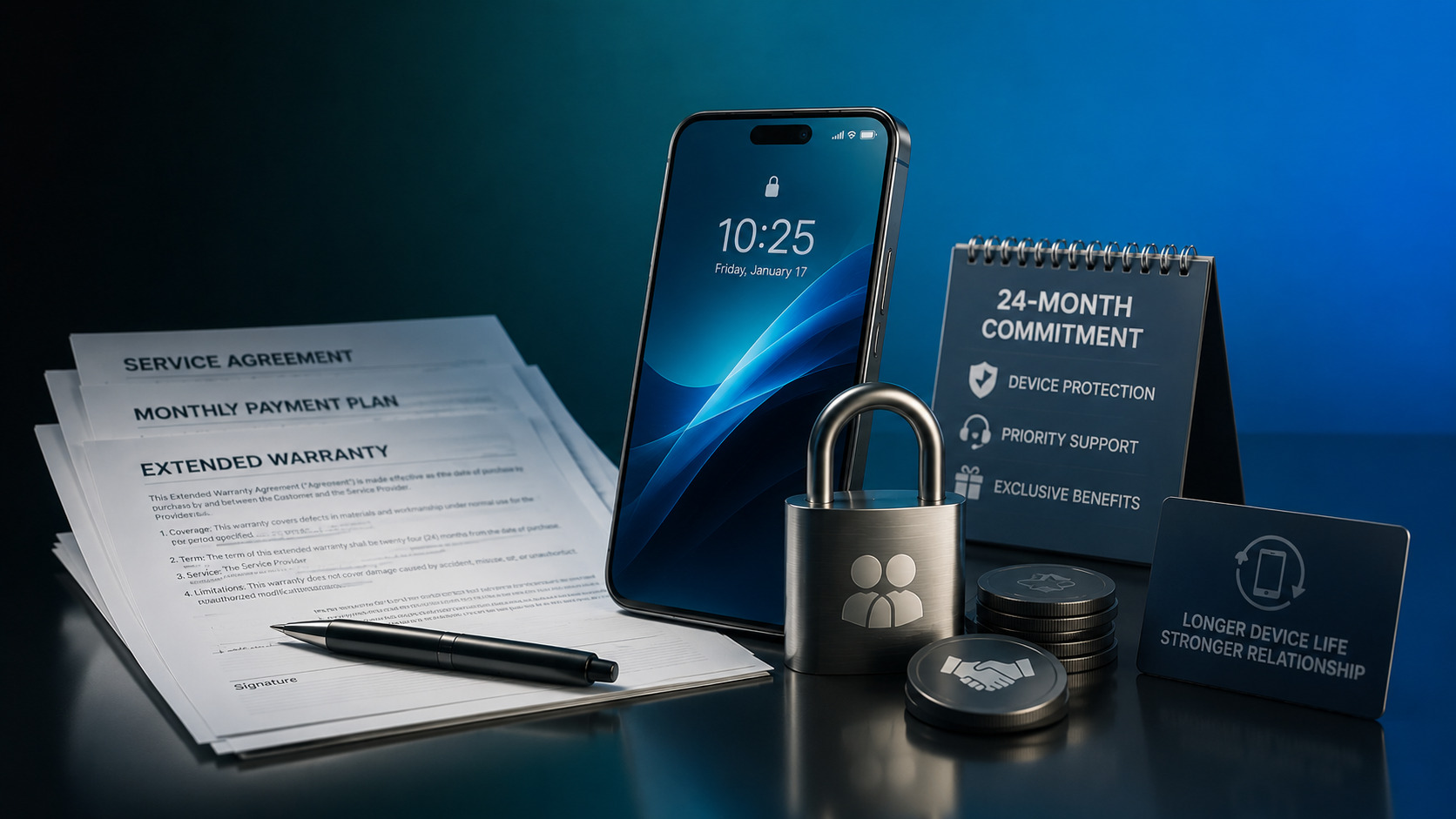
Device financing plays a central role in many modern carrier retention strategies 2026.
By spreading smartphone costs across monthly payments, carriers lower the initial barrier to obtaining premium devices. While this benefits many consumers, it also creates a longer-term relationship between the customer and the provider.
When a device remains under financing, switching carriers often becomes less convenient. This naturally encourages retention.
Carrier lock policies can also contribute to this strategy. Some providers restrict device usage until contractual obligations or financing requirements are fulfilled.
From the carrier’s perspective, these policies protect investments and reduce risk. From the consumer’s perspective, they can limit flexibility.
This does not necessarily mean such programs are negative. Many users appreciate predictable payments and access to premium devices. The key is understanding how these arrangements affect future choices.
A financed phone may offer immediate value while simultaneously reducing short-term freedom to switch networks.
Understanding how carrier programs affect device flexibility can help consumers make more informed long-term decisions.
What These Changes Mean for Consumers
For consumers, the expansion of carrier retention strategies 2026 brings both advantages and considerations.
On the positive side, users often receive better service and more rewards than in previous years. Loyalty programs increasingly provide benefits that once targeted only new customers.
Potential advantages include:
- Reduced upgrade costs
- Additional service perks
- Simplified financing options
- Better customer support experiences
However, consumers should also pay attention to how retention programs influence long-term flexibility.
For example, a highly attractive upgrade offer may involve new contractual commitments. A discounted device may carry restrictions that affect switching options later.
This does not mean users should avoid such programs. Instead, they should understand the terms and consider how future needs might change.
People relocate, travel internationally, switch jobs, and explore new providers. Maintaining flexibility often proves valuable over the lifespan of a device.
Balancing Convenience and Flexibility
The most successful consumers approach carrier programs with a balanced perspective.
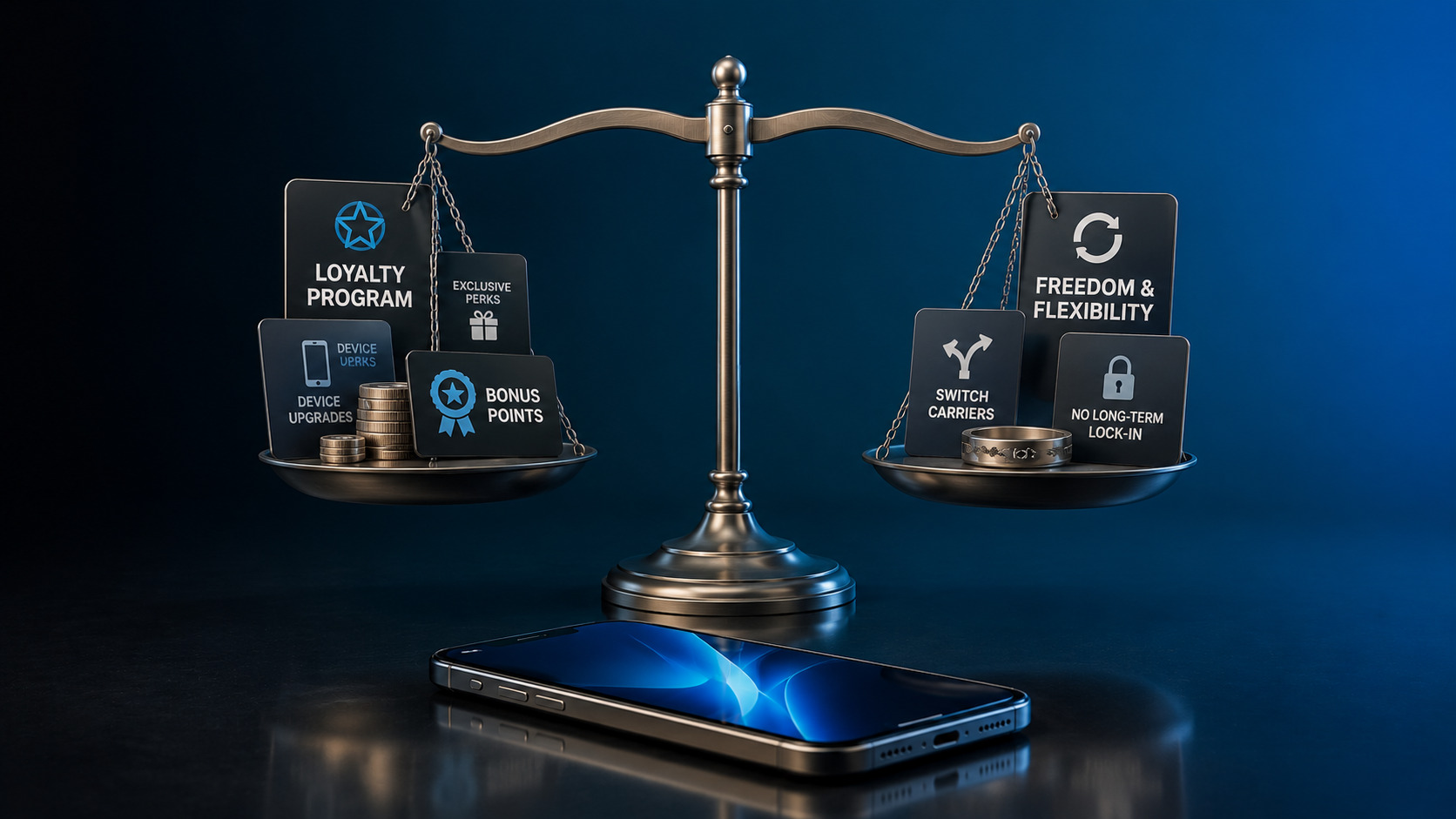
Convenience matters. Loyalty benefits, financing options, and bundled services can provide genuine value. For many users, these programs simplify device ownership and reduce upfront costs.
At the same time, flexibility remains important.
Before committing to a long-term arrangement, consider several questions:
- How long do you expect to keep the device?
- Do you frequently switch carriers?
- Do you travel internationally?
- Do you use eSIM or multiple SIM profiles?
- Could your connectivity needs change in the future?
These questions help determine whether a retention-focused offer aligns with your lifestyle.
In many cases, the ideal solution combines the advantages of carrier programs with the ability to maintain future options.
As mobile market trends 2026 continue to evolve, consumers who understand both sides of the equation will be best positioned to make informed decisions.
The Future of Carrier Retention
Looking ahead, retention will likely remain a primary focus across the telecommunications industry.
Artificial intelligence, personalized offers, and advanced customer analytics will allow providers to tailor programs more precisely to individual users. Loyalty benefits may become increasingly customized based on usage patterns and customer preferences.
At the same time, regulatory attention and growing consumer awareness may encourage greater transparency around financing, lock policies, and service commitments.
This balance between retention and flexibility will shape the next generation of mobile services.
Consumers can expect carriers to continue investing in long-term relationships while competing to offer the most attractive combination of value, convenience, and customer experience.
Conclusion
The rise of carrier retention strategies 2026 reflects a changing mobile industry where keeping customers has become just as important as acquiring them. Loyalty programs, financing options, and upgrade incentives all play a role in this new approach.
For consumers, these developments create valuable opportunities, but they also make it important to understand how device ownership, financing, and network flexibility interact.
By evaluating both the benefits and the long-term implications of carrier programs, users can choose options that fit their needs today while preserving flexibility for the future.
UnlockBase.com helps users maintain control over their devices by supporting greater flexibility across networks and providers.
All products, and company names, logos, and service marks (collectively the "Trademarks") displayed are registered® and/or unregistered trademarks™ of their respective owners. The authors of this web site are not sponsored by or affiliated with any of the third-party trade mark or third-party registered trade mark owners, and make no representations about them, their owners, their products or services.


Comments are closed.