
2026
America’s Mobile Robocall Rules Are Changing: What the FCC’s New Consent Rules Mean
Uncategorized
An automated message reminds you about a medical appointment. Another confirms a delivery. A third promotes a service you no longer want. Although all three messages may arrive through similar technology, they do not necessarily operate under the same consent requirements. The discussion surrounding FCC robocall rules 2026 highlights why these distinctions matter.
In September 2026, the Federal Communications Commission addressed how consumers can withdraw consent from certain automated communications without necessarily stopping every message from the same organization.
The issue involves more than unwanted advertising.
Banks, healthcare providers, delivery companies and other businesses use automated communications to provide information that customers may genuinely need.
A consumer might want promotional calls to stop while continuing to receive security alerts or appointment reminders.
Regulators must therefore balance effective consent rights with the practical value of legitimate informational messages.
For smartphone users, understanding that distinction can make it easier to control unwanted contact without accidentally losing useful notifications.
What the FCC Changed in Its September 2026 Decision
The FCC’s September 2026 action addressed consent revocation and the treatment of different categories of automated communications under the Telephone Consumer Protection Act, commonly called the TCPA.
The central issue is whether a consumer’s request to stop one type of message must automatically affect other categories of communications from the same sender.
The Commission’s approach recognizes that consumers may have different preferences for different types of messages.
For example, someone may want to stop promotional communications but continue receiving important account notifications.
The practical consequences depend on the applicable consent rules, the category of communication and how the consumer expresses their request.
Why Consent Rules Matter
Certain automated calls and texts require prior consent under federal law.
The applicable requirements depend on factors such as the technology used, the destination number, the content of the message and whether an exemption applies.
Marketing communications may face different consent requirements from some informational messages.
Consumers also have rights to revoke consent in circumstances covered by the rules.
Businesses must understand those requirements rather than assume that obtaining a telephone number authorizes unlimited automated contact.
What the Decision Does Not Mean
The FCC’s action should not be interpreted as permission for businesses to disregard clear opt-out requests.
Nor does it mean every informational message is automatically exempt from all applicable requirements.
The legal treatment depends on the specific communication and governing rules.
Businesses should review the actual FCC order and current compliance deadlines rather than relying on simplified descriptions.
Why Informational Calls and Marketing Calls Are Treated Differently
The purpose of a message can affect the applicable legal requirements.
Consider two communications from the same company.
One message advertises an optional paid service.
Another warns that someone has attempted to access the customer’s account.
Both may be automated, but they serve different purposes.
Marketing Communications
Marketing messages encourage a recipient to purchase goods or services or engage with promotional offers.
They may require a particular form of consent depending on the calling method and circumstances.
A consumer who no longer wants promotional contact should have a practical way to communicate that preference.
Informational Communications
Informational messages may concern existing services, appointments, deliveries or account activity.
Some are useful precisely because they arrive automatically.
However, labeling a message “informational” does not automatically remove every legal obligation.
Its actual content and the relevant rules matter.
Mixed-Purpose Messages
Some communications combine useful information with promotional material.
For example, an appointment reminder might include an advertisement for an additional service.
That can complicate the analysis.
Businesses should not assume that adding a small informational element makes an otherwise promotional message exempt from marketing-related requirements.
How Category-Specific Opt-Outs Work
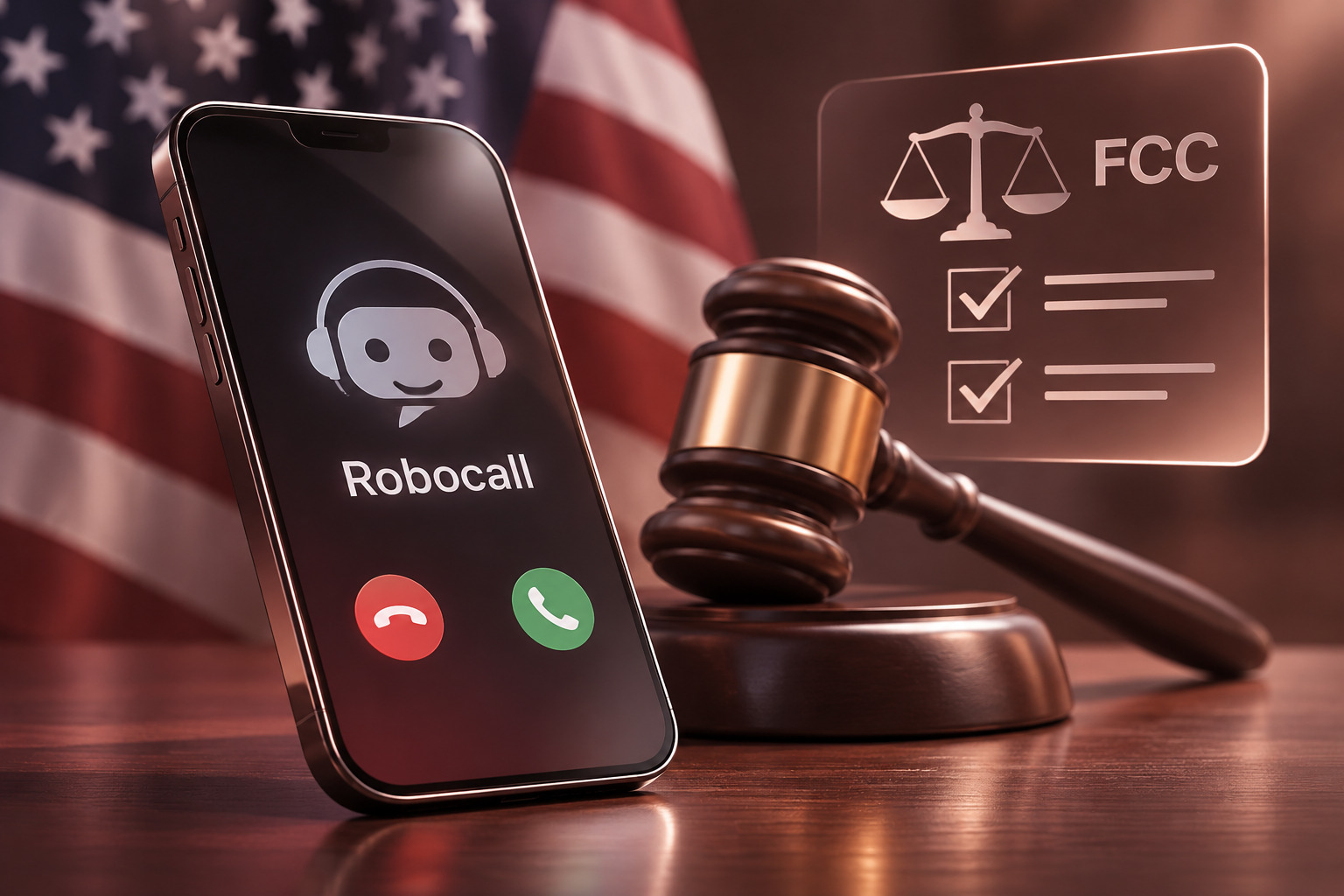
Category-specific consent management allows consumers to express different preferences for different types of communications.
Imagine a customer who receives three categories of messages from a service provider:
- Promotional offers
- Account activity notifications
- Appointment reminders
The customer might want to discontinue the first category while retaining the other two.
A category-specific approach makes that preference easier to recognize and administer.
Clear Requests Are Essential
Consumers should communicate their preferences as clearly as possible.
For example:
“Please stop sending promotional text messages to this number.”
That request is more specific than a general complaint about receiving too many messages.
However, consumers should not be required to use unnecessarily complicated wording to exercise rights recognized by applicable law.
Businesses must evaluate revocation requests according to the governing requirements.
What About a General STOP Message?
Replying STOP is a familiar method for opting out of automated text programs.
The legal effect of that response depends on the applicable rules and context.
Consumers should not assume that every sender operates identical categories or preference systems.
Likewise, businesses should not use unclear category labels to undermine an otherwise valid revocation request.
Why Preferences Need Accurate Records
A company that offers multiple communication categories needs reliable systems to record customer choices.
If a consumer opts out of promotional messages, the business should not continue sending them because the preference was stored in the wrong database.
Consent management is therefore both a legal and operational responsibility.
What the Rules Mean for Fraud Alerts and Security Notifications
Security notifications present an especially important use case.
Banks and online services may send automated messages when they detect unusual account activity.
A customer who blocks all communications from the sender could miss an important warning.
Category-specific preferences can help distinguish promotional contact from certain security-related notifications.
However, businesses must still comply with the rules applicable to the particular message.
Security Alerts Should Be Recognizable
Legitimate notifications should clearly identify the relevant organization and avoid unnecessary ambiguity.
They should also direct customers toward trustworthy verification methods.
A message that demands immediate payment through an unfamiliar link deserves additional scrutiny.
Avoid Treating Every Alert as Genuine
Fraudulent messages can imitate legitimate security notifications.
The existence of an account-alert category does not establish that every message claiming to be an alert is authentic.
If a notification seems suspicious, open the provider’s official application or website independently.
Do not rely solely on the telephone number or link displayed in the message.
Preserve Alternative Notification Channels
Where available, customers may benefit from using secure application notifications or email alerts in addition to SMS.
This reduces dependence on one communication method.
It can also help when a phone number changes or mobile service becomes temporarily unavailable.
How Consumers Can Exercise Their Consent Rights
Managing automated communications begins with identifying what you want to stop.
Step 1: Identify the Sender
Check whether the message comes from a business with which you have an existing relationship.
Do not assume that the displayed sender information proves authenticity.
Step 2: Determine the Message Category
Is the communication promotional, transactional, informational or security-related?
The distinction can help you express the appropriate preference.
Step 3: Use an Official Opt-Out Method
Where appropriate, use the unsubscribe instructions provided through a legitimate communication program.
For an existing customer account, the company’s official preference center may offer additional controls.
Avoid following unfamiliar links in suspicious messages.
Step 4: Make Your Request Clear
Specify the type of communication you want to stop.
If you intend to withdraw consent more broadly, communicate that intention clearly.
Step 5: Keep a Record
Save relevant messages or confirmation notices if you experience continuing unwanted contact.
The information may be useful when contacting the business or filing a complaint.
Step 6: Escalate Persistent Problems
If unwanted communications continue contrary to applicable requirements, consider contacting the sender through its official support channels.
Consumers can also review complaint options provided by the FCC or other relevant authorities.
Knowing how legitimate companies communicate—and how to manage unwanted contact—helps consumers protect their privacy without missing important service notifications.
What the Changes Mean for Businesses Communicating With Customers
Businesses should view consent management as part of customer trust rather than merely a technical compliance task.
A company that handles customer preferences accurately is less likely to frustrate recipients or create avoidable disputes.
Separate Communication Categories
Organizations should distinguish marketing from operational notifications where appropriate.
A single undifferentiated contact list can make preference management difficult.
Train Customer-Support Teams
Support representatives need to recognize consent-revocation requests.
A customer should not have to repeat the same preference across multiple departments.
Review Automated Systems
Companies often use external messaging platforms or customer-management software.
Those systems should reflect the organization’s actual consent obligations.
Outsourcing message delivery does not eliminate the need to understand applicable legal requirements.
Maintain Accurate Records
Reliable records help demonstrate when consent was obtained, changed or withdrawn.
They also reduce the risk of sending messages contrary to a customer’s expressed preference.
Avoid Misleading Message Labels
A promotional message should not be described as an essential service alert merely to avoid an opt-out preference.
Transparency protects both customers and legitimate businesses.
When the New Requirements Take Effect
The September 2026 decision must be understood alongside the FCC’s earlier consent-revocation rulemaking.
Different provisions can have different effective dates, compliance deadlines or procedural conditions.
A decision addressing category-specific revocation does not necessarily change every existing TCPA obligation at once.
For consumers, the practical advice is to use available opt-out methods and communicate preferences clearly.
For businesses, the appropriate approach is to review the final FCC order, any Federal Register notices and the current effective dates of the provisions that apply to their communications.
Companies should not assume that a headline announcing a rule change establishes the compliance date for every requirement.
Likewise, older guidance may no longer reflect subsequent regulatory developments.
How Robocall Rules Relate to Mobile Unlocking Services
The connection between FCC robocall rules 2026 and mobile unlocking is primarily about customer communication.
A third-party unlocking provider may need to send order confirmations, processing updates or support responses.
Customers should be able to distinguish those legitimate service communications from promotional messages.
A trustworthy provider should explain how it communicates with customers and which channels it uses for order-related information.
Consumers should also verify unexpected messages claiming that an unlocking request requires additional action.
An unsolicited message is not automatically legitimate because it mentions a phone model, IMEI or order status.
When uncertain, customers should sign in through the provider’s official website or contact its published support channel.
Conclusion: Better Consent Management Benefits Everyone
The discussion around FCC robocall rules 2026 reflects an important consumer expectation: people should have meaningful control over automated communications.
Category-specific preferences can help consumers avoid unwanted promotions while preserving access to useful service notifications.
For businesses, the challenge is implementing those preferences accurately and complying with the applicable legal requirements.
For smartphone users, the most practical steps are to recognize different message types, use legitimate opt-out channels and verify suspicious communications independently.
The goal is not to eliminate every automated message. It is to make communications more transparent, appropriate and responsive to customer choices.
UnlockBase.com values transparent customer communication and encourages users to rely on official service channels when managing unlocking requests.
All products, and company names, logos, and service marks (collectively the "Trademarks") displayed are registered® and/or unregistered trademarks™ of their respective owners. The authors of this web site are not sponsored by or affiliated with any of the third-party trade mark or third-party registered trade mark owners, and make no representations about them, their owners, their products or services.


Comments are closed.