
In 2026, phone unlocking has become more visible and more widely discussed than ever before. As users travel more, switch carriers, and rely on eSIM, interest in unlocking continues to grow. At the same time, free phone unlock scams remain surprisingly persistent—often disguised as “instant” or “guaranteed” offers that promise results with no cost or effort.
Understanding why these claims appear, and how legitimate unlocking actually works, helps users make informed decisions. The goal is not fear, but clarity. When users know what to expect from a real unlocking process, questionable offers become much easier to recognize.
Why These Offers Still Appear
Despite improvements in consumer awareness, “instant free unlock” claims continue to circulate. The reason is simple: unlocking sits at the intersection of technology, carrier policy, and regulation. That complexity leaves room for confusion.
Many users do not know whether their phone is locked, how carrier rules differ, or what unlocking actually involves. Unreliable offers often exploit this gap by presenting unlocking as a software trick or a hidden shortcut.
In reality, unlocking depends on carrier databases and eligibility checks. When an offer ignores those elements entirely, it deserves closer scrutiny. This pattern explains why free phone unlock scams continue to attract attention even in a more informed market.
What Legitimate Unlocking Actually Requires
To understand why “instant free” claims raise concerns, it helps to look at what legitimate unlocking involves.
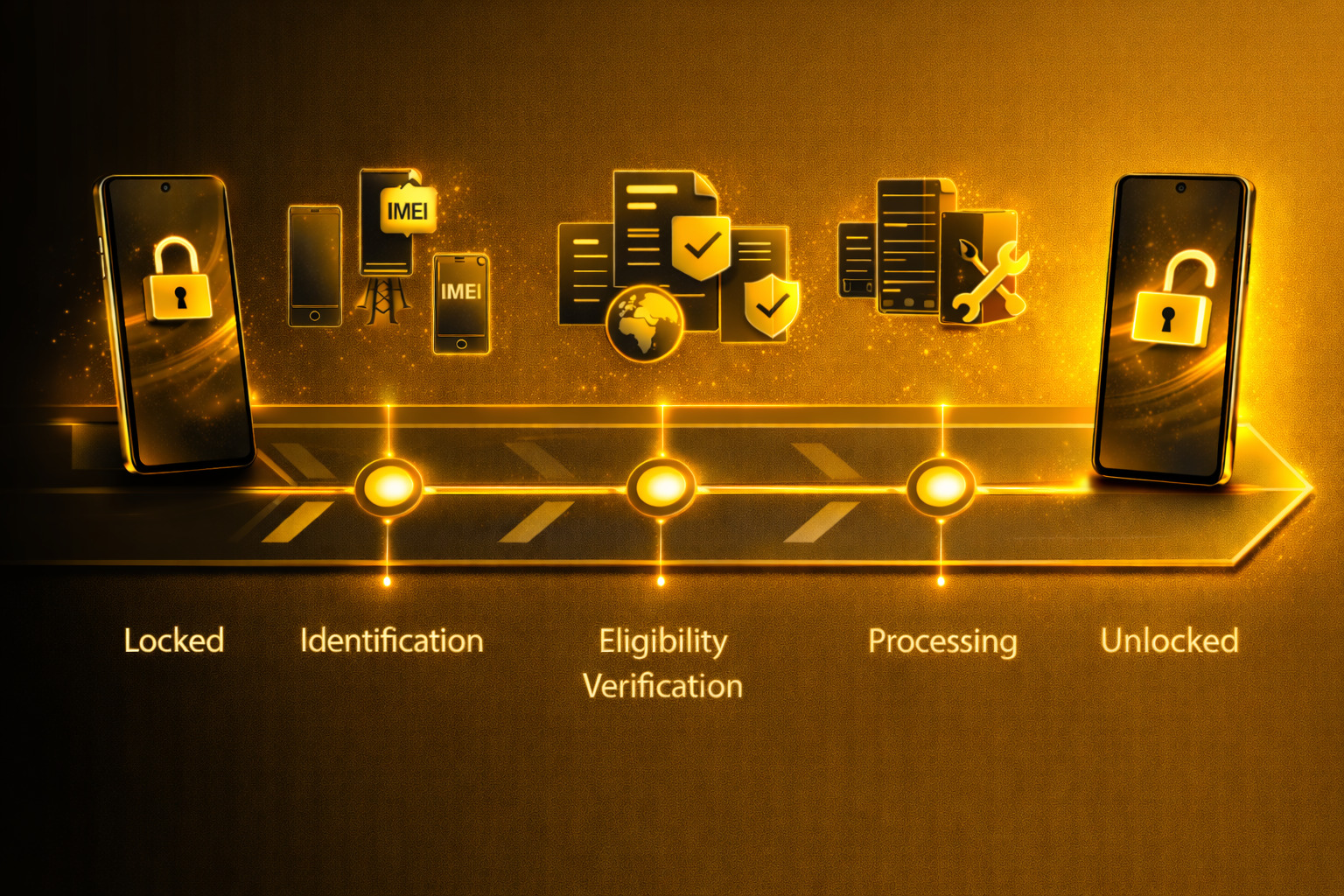
A proper unlocking process typically begins with device identification. The provider checks the phone model, IMEI number, and original carrier. This step ensures the request matches the correct network and database.
Next comes eligibility verification. Carriers apply specific rules based on contract status, payment history, and regional regulations. These rules vary widely and cannot be bypassed with a universal method.
Only after these checks can the unlock request move forward through authorized channels. This process takes time and coordination, even when everything goes smoothly.
Because of these steps, legitimate phone unlocking cannot be instant or universally free. Any claim that skips verification or promises immediate results without context misrepresents how unlocking works.
Knowing what a real unlocking process involves makes it easier to spot offers that skip essential steps.
Common Tactics Used by Unreliable Services
While approaches vary, many questionable offers rely on familiar patterns. Recognizing these patterns helps users avoid unnecessary risk.
One common tactic involves vague explanations. The service may claim to use “advanced software” or “exclusive access” without explaining how unlocking interacts with carrier systems. This lack of detail prevents users from evaluating legitimacy.
Another tactic is urgency. Messages that push immediate action—often paired with limited-time language—discourage users from asking questions or comparing options. Responsible providers allow users time to understand the process.
Some offers also blur the line between checking status and unlocking. A site may perform a basic IMEI lookup, present the result as an “unlock,” and then redirect users to unrelated services. This practice creates confusion rather than results.
These patterns often appear in discussions around free phone unlock scams, but the underlying issue is not cost alone—it is the absence of transparency.
Why “Free” Is Rarely Free in Unlocking
Unlocking involves access to carrier systems, databases, or authorized processes. Maintaining that access requires infrastructure, compliance, and support. For this reason, legitimate services operate with defined pricing structures.
When an offer claims to unlock any phone for free, users should ask how those operational costs are covered. In many cases, the “free” aspect masks hidden conditions, data collection, or follow-up charges.
This does not mean every paid service is trustworthy, nor that free checks have no place. Status checks and eligibility assessments can be offered at low or no cost. Unlocking itself, however, requires verified procedures.
Understanding this distinction helps users unlock phone safely without unrealistic expectations.
How to Evaluate Unlocking Providers
Choosing a reliable provider comes down to asking the right questions and looking for clear answers.
A legitimate phone unlocking service explains its process in plain language. It identifies what information is required, why it is needed, and how long the process may take.
Transparency around limitations also matters. Trustworthy providers explain when unlocking is not possible and why. They do not promise universal success or ignore carrier-specific rules.
Customer support availability is another indicator. Providers that stand behind their service offer clear communication channels and documented policies.
These criteria help users distinguish between fake unlock offers and legitimate phone unlocking options without relying on alarmist messaging.
Consumer Awareness in a Changing Mobile Landscape
In 2026, mobile networks continue to evolve. eSIM adoption, regional carrier policies, and resale markets all influence how unlocking fits into everyday use.
As these changes accelerate, consumer awareness becomes more important. Users benefit from understanding not only how unlocking works, but also why certain claims conflict with industry realities.
This awareness protects devices, personal data, and long-term usability. It also supports better decision-making when switching carriers or preparing for travel.
Unlocking Red Flags Worth Noticing
Some warning signs appear consistently across unreliable offers. While no single factor proves intent, combinations matter.
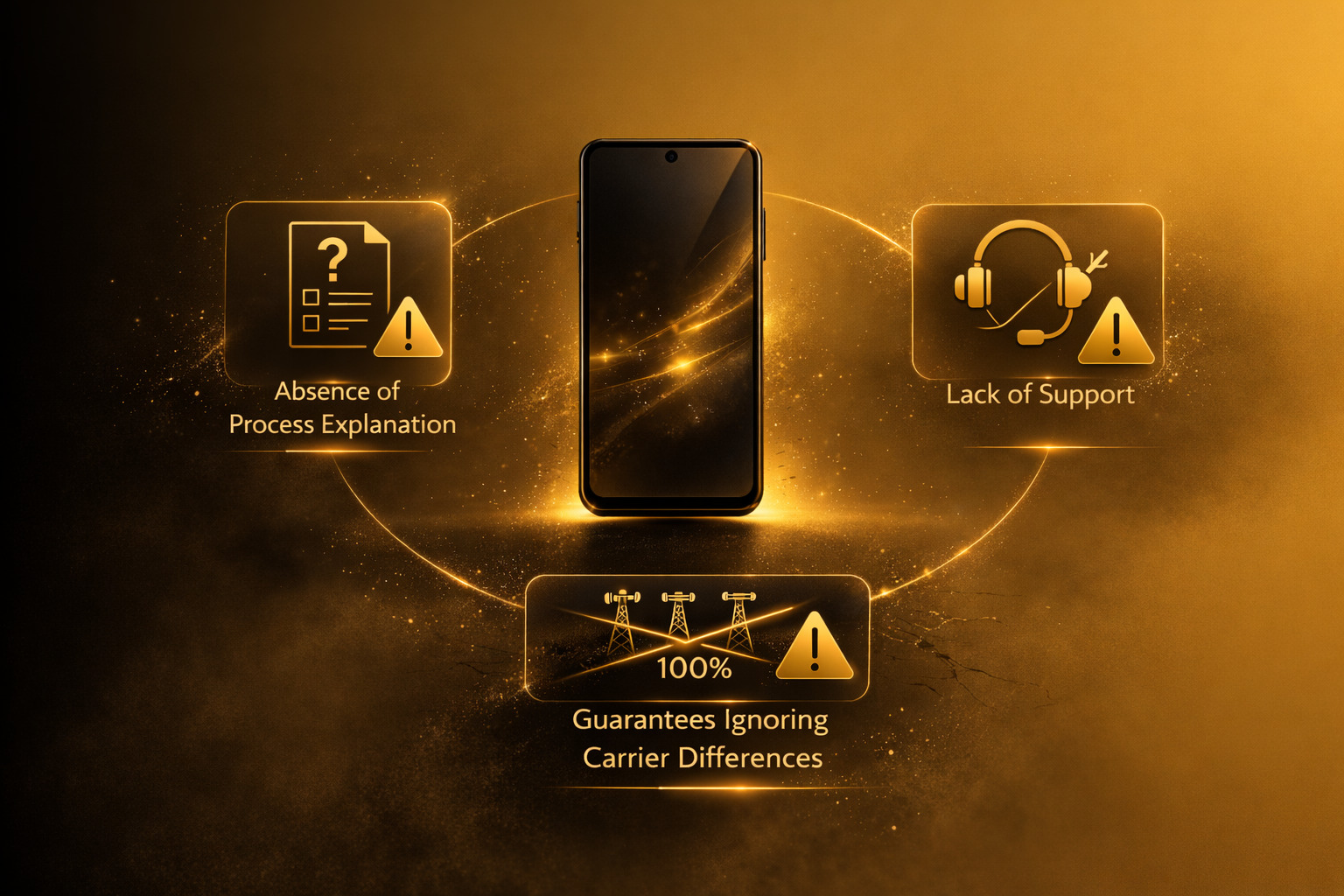
A lack of clear contact information, absence of process explanation, and guarantees that ignore carrier differences should prompt caution. These elements suggest that the service prioritizes attraction over accuracy.
By contrast, legitimate services focus on clarity, even when the answer is not what the user hopes to hear.
Conclusion: Informed Choices Matter More Than Promises
“Instant free unlock” claims appeal to convenience, but they rarely align with how unlocking actually works. In 2026, free phone unlock scams continue to rely on outdated assumptions and incomplete explanations.
Users who understand the real process gain confidence and avoid unnecessary frustration. Unlocking is not about shortcuts—it is about compatibility, eligibility, and long-term flexibility.
UnlockBase.com follows transparent, verifiable unlocking procedures designed to protect users and their devices. For those seeking legitimate phone unlocking with clear expectations and professional support, UnlockBase offers a reliable path forward.
All products, and company names, logos, and service marks (collectively the "Trademarks") displayed are registered® and/or unregistered trademarks™ of their respective owners. The authors of this web site are not sponsored by or affiliated with any of the third-party trade mark or third-party registered trade mark owners, and make no representations about them, their owners, their products or services.

