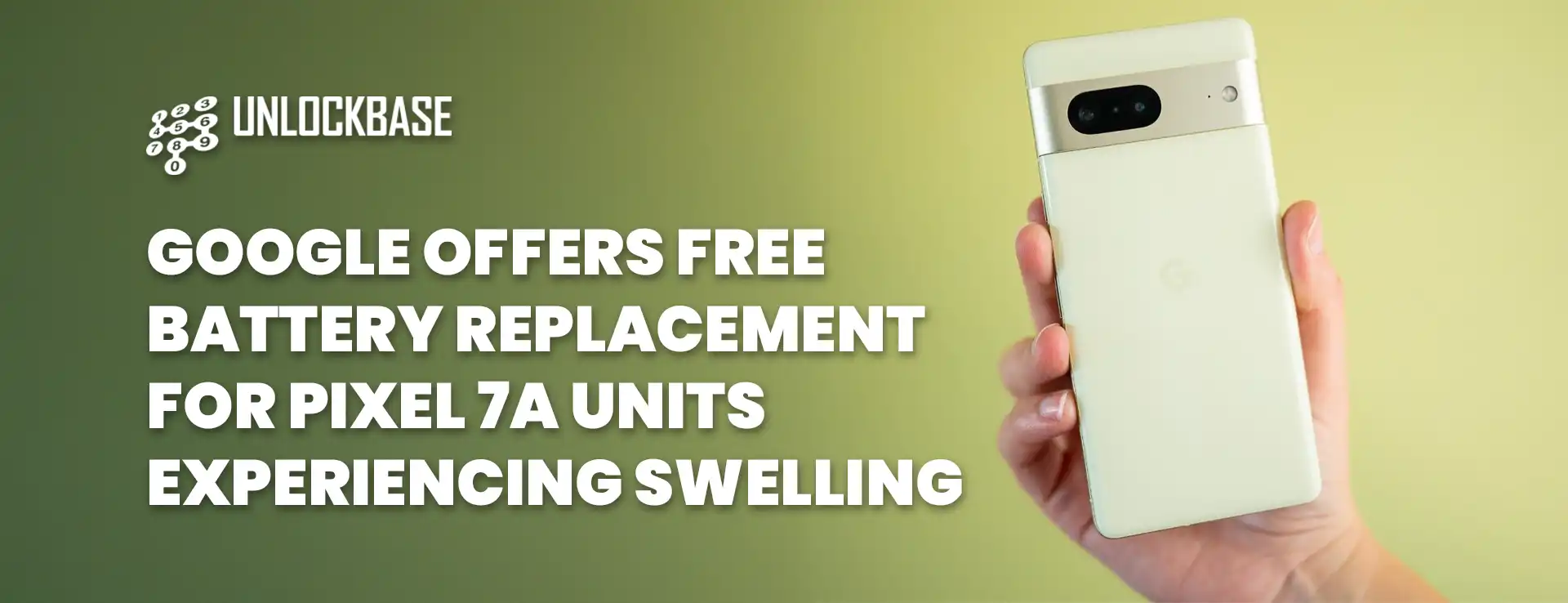
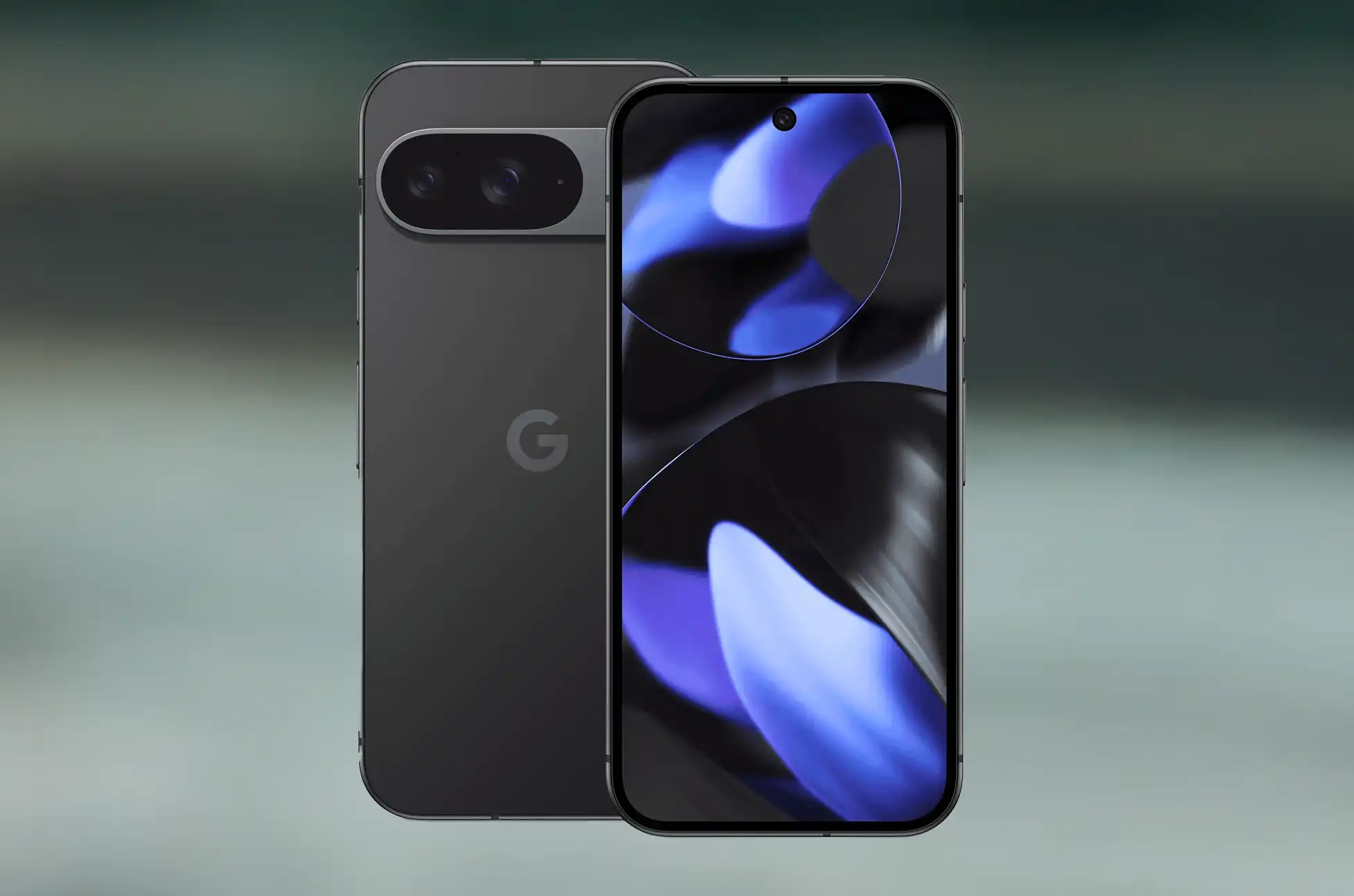
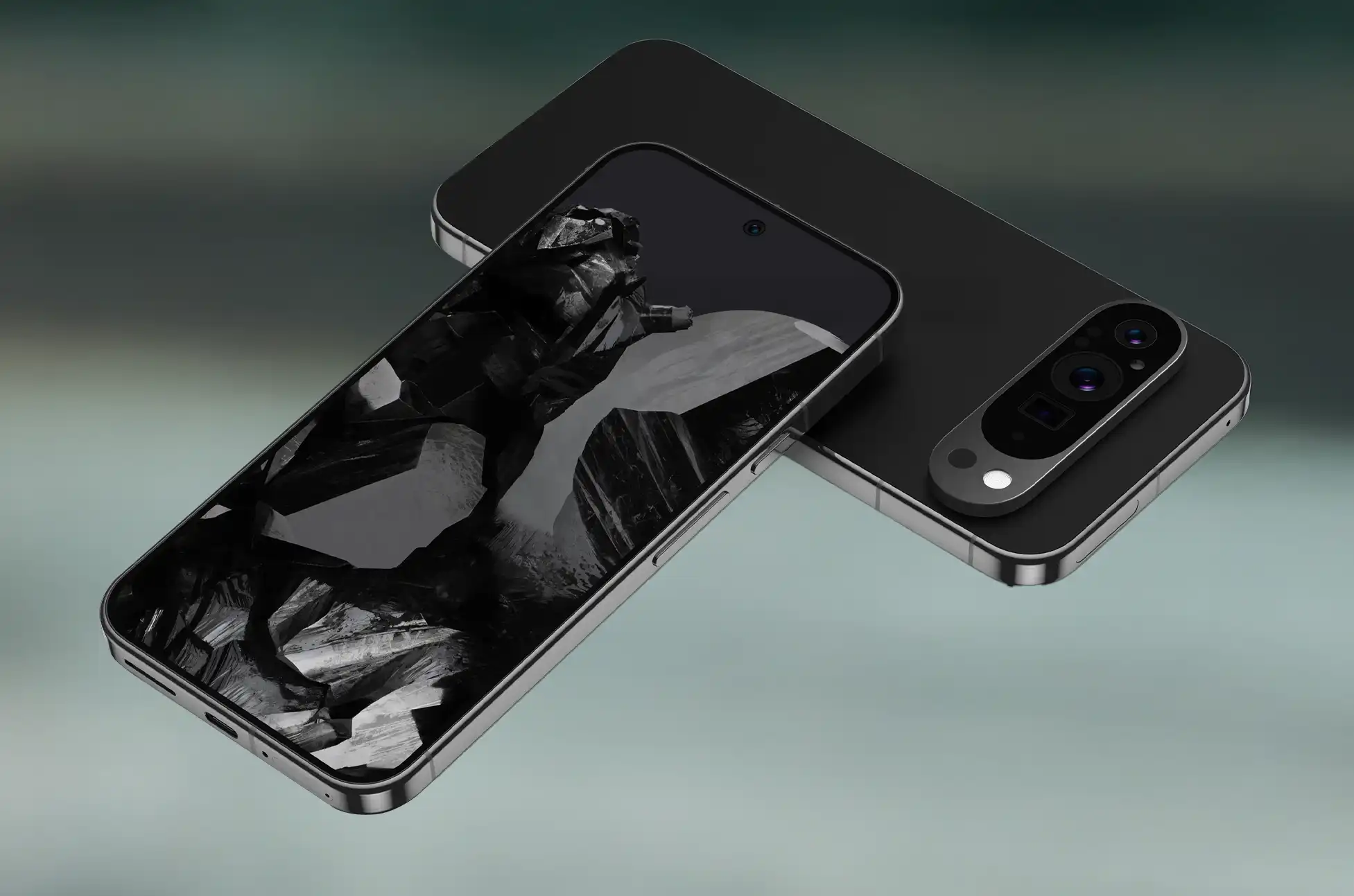
Google Pixel 7a battery issues? Is your Pixel 7a looking a bit bulkier than usual? You might be eligible for a free battery replacement from Google.
Google Launches Extended Repair Program for Pixel 7a
Google has acknowledged that certain Pixel 7a units may experience unexpected battery swelling issues, prompting the tech giant to introduce an Extended Repair Program for affected devices. This comes just months after similar battery-related problems with the Pixel 4a, suggesting a concerning pattern in Google’s recent hardware offerings.
Google Pixel 7a battery issues : How to Check If Your Pixel 7a Qualifies
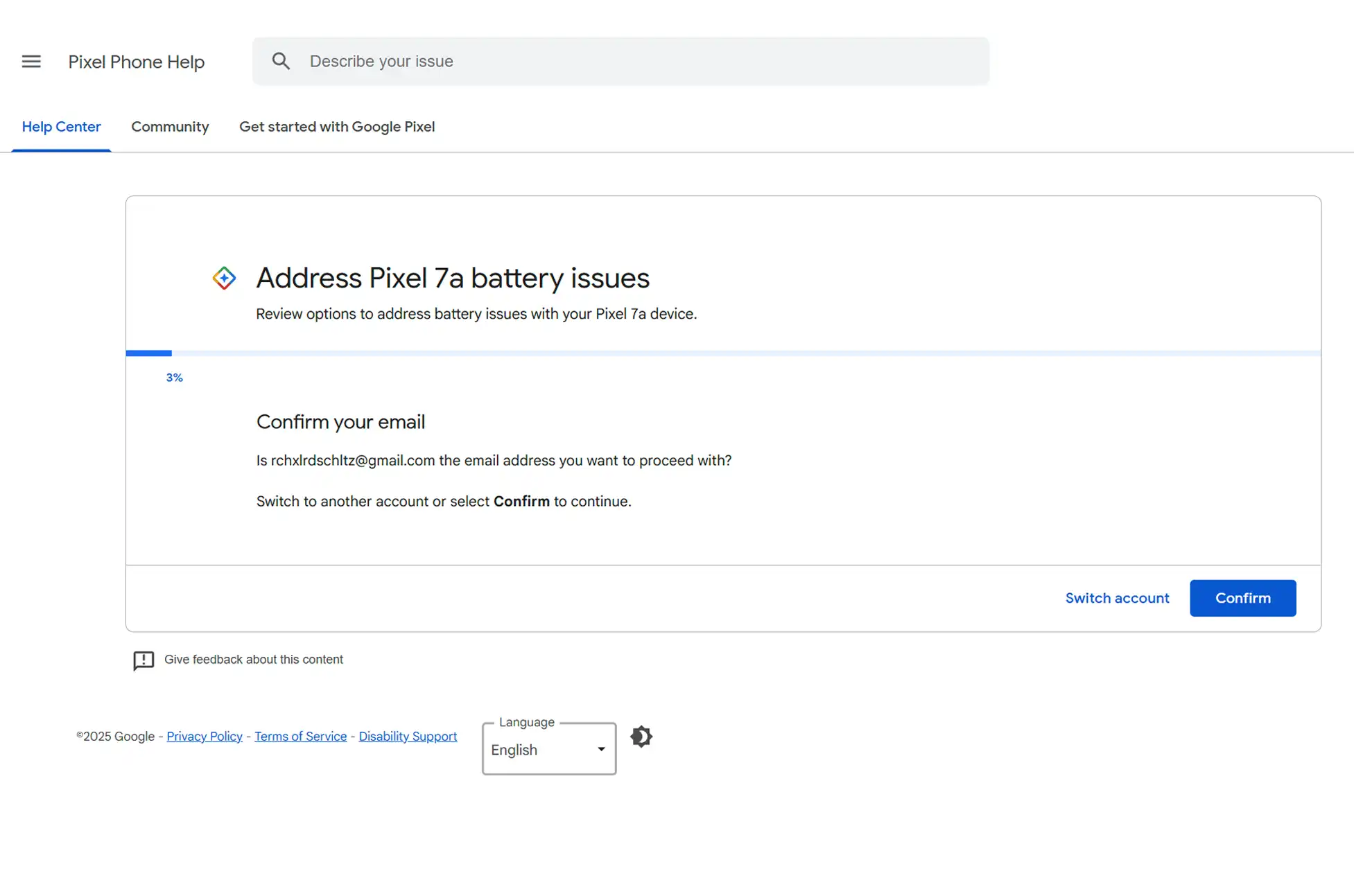
To determine if your device is eligible for a free battery replacement, you’ll need to enter your phone’s IMEI number on Google’s official verification page. The company will then provide specific instructions based on your device’s status. Here’s the assessment tool!
However, there’s a catch – your phone’s physical condition matters. Devices with significant damage or evidence of liquid exposure may not qualify for the free replacement service.
Google Pixel 7a battery issues : Warning Signs Your Pixel 7a Battery Is Affected
Keep an eye out for these symptoms that indicate your Pixel 7a may be experiencing battery swelling:
Visible device swelling – Your phone appears thicker than normal or the back panel shows noticeable bulging
Cover separation – Gaps or openings appearing along the edges where the phone’s casing should be sealed
Rapid battery drain – Your battery life has significantly decreased, even with minimal usage
Charging difficulties – The device fails to charge properly or at all
Replacement Options Available Worldwide
Google is offering various solutions depending on your location:
In-person repair services are available in the United States, India, Canada, United Kingdom, Germany, Japan, and Singapore
Alternative compensation is provided in regions where battery replacement isn’t offered
What If Replacement Isn’t Available in Your Region?
For customers in Australia, Malaysia, Taiwan, EEA countries, and Switzerland where battery replacement isn’t an option, Google offers:
A one-time payment of $200 (in local currency)
$300 in Google hardware or Google Store credit toward another Pixel phone or Google product
For in-warranty devices in regions without mail-in or walk-in repair options, a one-time payment of $456 (excluding the US and India)
This repair program is part of Google’s ongoing efforts to address hardware issues across its Pixel lineup, as the company continues to compete in the premium smartphone market while working to maintain customer satisfaction and trust.
Have you experienced these issues with your Pixel 7a? Check your eligibility today to take advantage of Google’s replacement program before potential battery problems affect your device.
All products, and company names, logos, and service marks (collectively the "Trademarks") displayed are registered® and/or unregistered
trademarks™ of their respective owners.
The authors of this web site are not sponsored by or affiliated with any of the third-party trade mark or third-party registered trade mark owners,
and make no representations about them, their owners, their products or services.
Cruise Ship Connectivity? Stay connected on your cruise vacation without breaking the bank
Gone are the days when setting sail meant completely disconnecting from the digital world. Both AT&T and Verizon have just rolled out revamped cruise connectivity options that make staying in touch while on the high seas significantly more affordable and straightforward.
Cruise Ship Connectivity : What’s New for Cruise Travelers
Starting April 16, AT&T and Verizon customers can enjoy enhanced connectivity on cruise ships for a flat rate of $20 per day. This price point represents a welcome reduction from previous offerings and simplifies the process of staying connected during your ocean adventure.
AT&T’s Enhanced International Day Pass
AT&T has expanded its popular International Day Pass to include more than 400 cruise ships worldwide. For $20 per 24-hour period, passengers receive:
500MB of high-speed data daily
Unlimited texting
Unlimited talk
One of the most customer-friendly features is that there’s no additional charge if you use your phone both on the ship and on land during the same day. This means you can stay connected whether you’re lounging by the pool deck or exploring a port of call, all under the same daily fee.
This new offering replaces AT&T’s previous Cruise Basic and Cruise Plus plans, which offered less value for a higher price. If you activated one of these older plans before April 16, note that they’ll expire 30 days after activation.
Verizon’s Comparable Cruise Daily Pass
Not to be outdone, Verizon launched its own Cruise Daily Pass last week with nearly identical pricing. Also priced at $20 daily, Verizon’s offering covers more than 200 ships across 25+ cruise lines and includes:
500MB of high-speed data (speeds throttle to 3G after this limit)
Unlimited calls to the United States
Unlimited text messaging
This represents significant savings compared to Verizon’s previous $30 cruise pass, which only included 50 minutes of calling time and charged customers additional fees for overages.
Cruise Ship Connectivity : What This Means for Cruise Enthusiasts
While onboard internet connectivity still has room for improvement, these new passes offer a more cost-effective alternative to often expensive ship Wi-Fi packages. Travelers can now share vacation highlights on social media, check important emails, or stay in touch with loved ones without worrying about shocking roaming charges upon return.
Cruise Ship Connectivity : How to Get Started
Planning a cruise vacation? You can verify your ship’s eligibility and add these passes before departure through:
Verizon’s Trip Planner tool
The AT&T app
With cruise season ramping up, these more affordable connectivity options arrive at the perfect time for vacation planners looking to balance digital connection with relaxation at sea.
All products, and company names, logos, and service marks (collectively the "Trademarks") displayed are registered® and/or unregistered
trademarks™ of their respective owners.
The authors of this web site are not sponsored by or affiliated with any of the third-party trade mark or third-party registered trade mark owners,
and make no representations about them, their owners, their products or services.
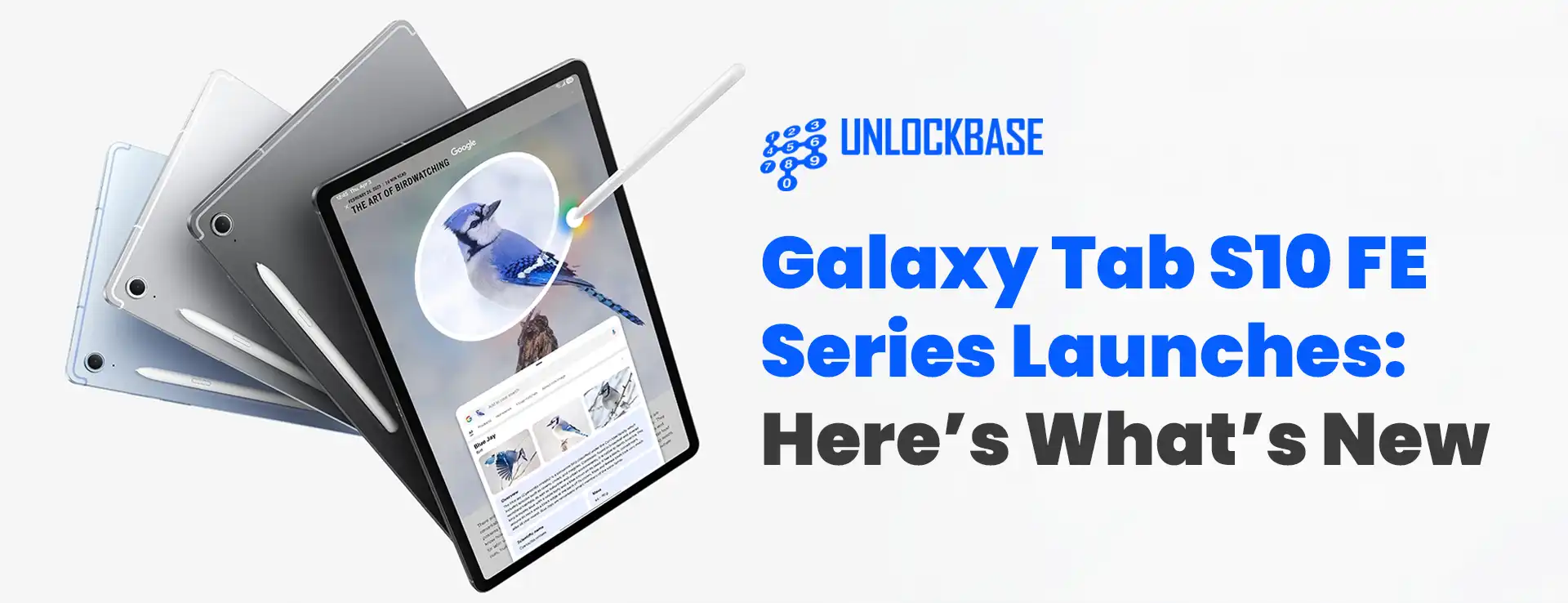
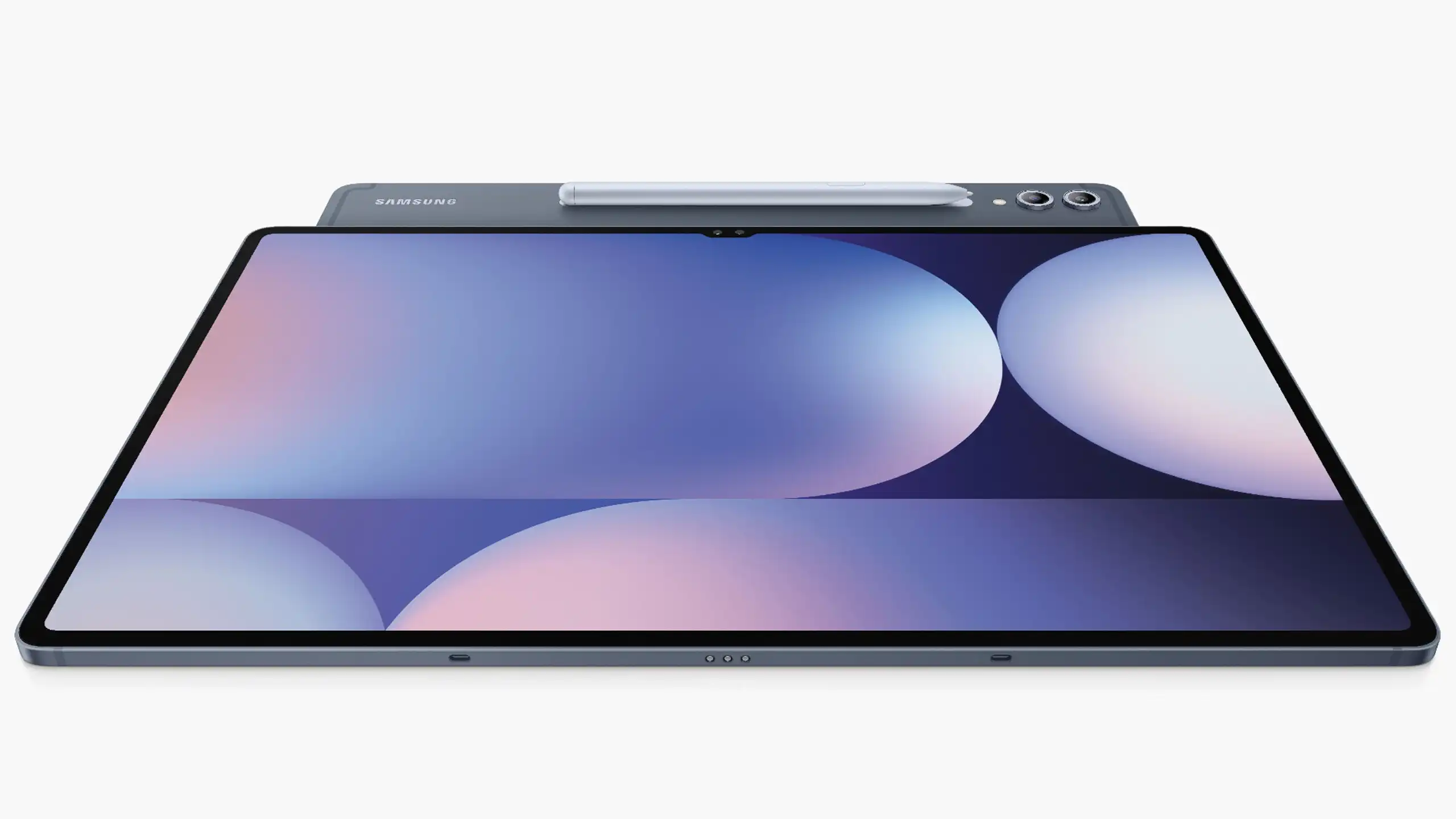
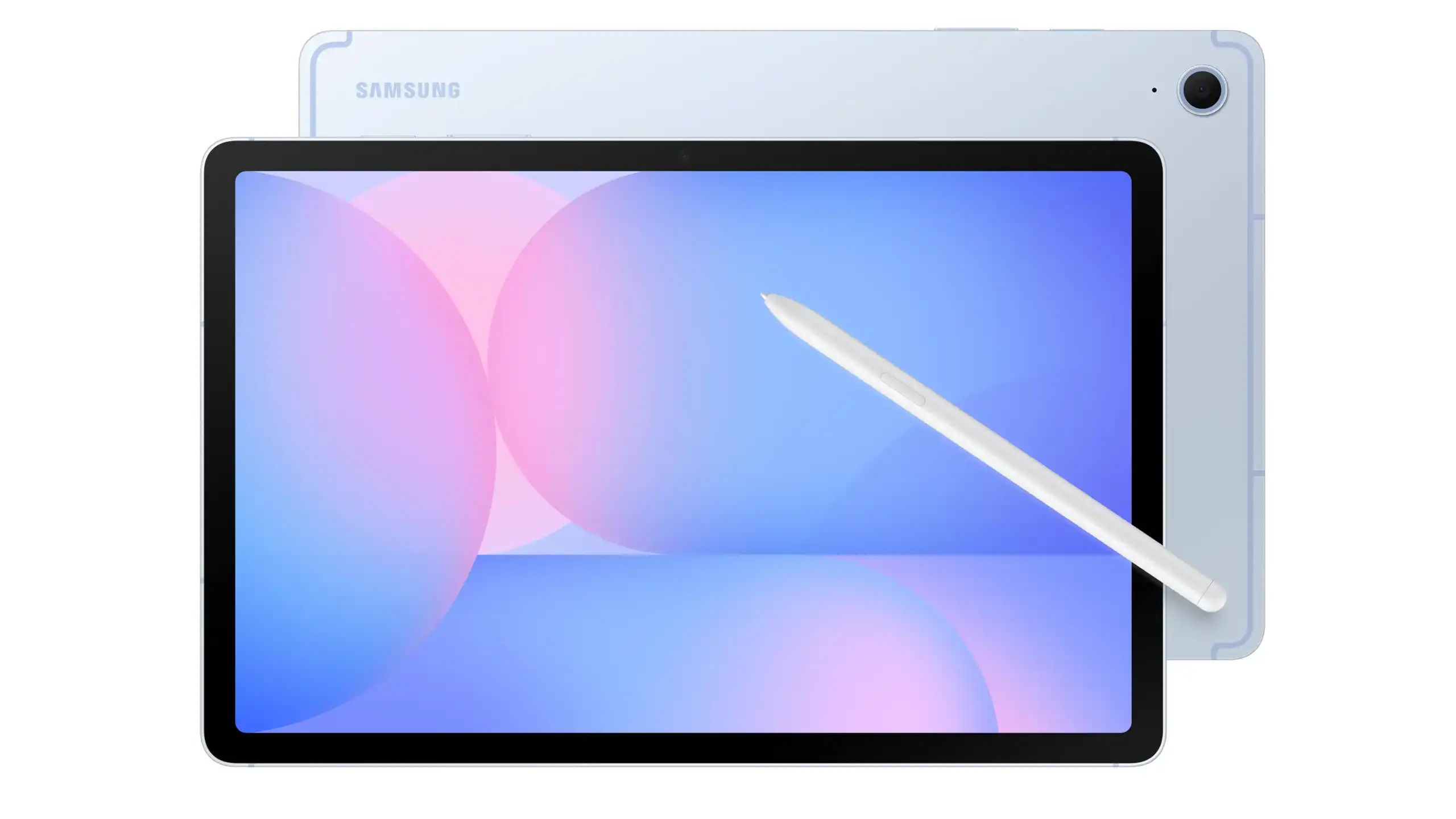
Galaxy Tab S10 FE Series? After a two-year hiatus, Samsung has finally revitalized its popular midrange tablet lineup with the launch of the Galaxy Tab S10 FE and Galaxy Tab S10 FE Plus. These new Fan Edition tablets bring impressive specifications and features that strike a balance between performance and affordability, giving tablet enthusiasts something to be excited about in 2025.
AI Features Across Both Models
Samsung has integrated several AI capabilities into both Tab S10 FE variants:
Object Eraser for removing unwanted elements from photos
Best Face for optimizing portrait shots
Auto Trim for streamlined video editing
Galaxy AI Key for quick access to AI features
With identical performance specifications and feature sets, your choice between these two models will primarily come down to your preference for screen size, battery life, and budget considerations.
Galaxy Tab S10 FE Series : Full Comparison
Feature
Galaxy Tab S10 FE
Galaxy Tab S10 FE Plus
Display
10.9-inch IPS LCD
13.1-inch IPS LCD
Resolution
2304 x 1440 pixels (~249ppi)
2880 x 1800 pixels (~259ppi)
Refresh Rate
90Hz
90Hz
Peak Brightness
800 nits
800 nits
Processor
Exynos 1580 (2.9GHz octa-core)
Exynos 1580 (2.9GHz octa-core)
GPU
Xclipse 540
Xclipse 540
RAM Options
8GB / 12GB
8GB / 12GB
Storage Options
128GB / 256GB
128GB / 256GB
Expandable Storage
Yes, via microSD
Yes, via microSD
Front Camera
12MP ultra-wide
12MP ultra-wide
Rear Camera
13MP
13MP
Operating System
Android 15 with One UI 7
Android 15 with One UI 7
Battery
8,000mAh
10,090mAh
Charging
45W wired
45W wired
S Pen Support
Yes, included in box
Yes, included in box
Speakers
AKG-tuned stereo
AKG-tuned stereo
Biometrics
Side-mounted fingerprint scanner
Side-mounted fingerprint scanner
Water Resistance
IP68
IP68
Connectivity
WiFi 6e, Bluetooth 5.3, Optional 5G
WiFi 6e, Bluetooth 5.3, Optional 5G
Port
USB-C
USB-C
Dimensions
254.3 x 165.8 x 6mm
300.6 x 194.7 x 6mm
Weight
500g (4% lighter than predecessor)
668g
Colors
Silver, Gray, Blue
Silver, Gray, Blue
Starting Price (WiFi)
EUR580 (~Php36,200)
EUR750 (~Php46,900)
5G Model Starting Price
EUR680 (~Php42,500)
EUR850 (~Php53,100)
Max Config Price (5G)
EUR730 (~Php45,600)
EUR900 (~Php56,300)
Galaxy Tab S10 FE Series : Key Differentiators at a Glance
The main differences between the two models:
Display Size: The Plus model offers a significantly larger 13.1-inch display compared to the standard model’s 10.9-inch screen
Battery Capacity: The Plus variant packs a 10,090mAh battery versus the standard’s 8,000mAh
Physical Size & Weight: The standard model is more portable at 500g, while the Plus weighs 668g
Price Point: Approximately €170 (~Php10,700) price difference between comparable configurations
Both tablets offer the same processor, camera system, S Pen functionality, display technology (apart from size), and software experience.
Galaxy Tab S10 FE Series : Conclusion
Samsung’s Galaxy Tab S10 FE series offers impressive value for midrange tablet shoppers. The standard model delivers portability and performance at a more accessible price point, while the Plus variant caters to those who prioritize screen real estate and extended battery life. With included S Pen, IP68 water resistance, and powerful internals, both tablets provide a premium experience without the flagship price tag. Whether for work, education, or entertainment, the Tab S10 FE series marks a welcome return to Samsung’s Fan Edition tablet lineup.
All products, and company names, logos, and service marks (collectively the "Trademarks") displayed are registered® and/or unregistered
trademarks™ of their respective owners.
The authors of this web site are not sponsored by or affiliated with any of the third-party trade mark or third-party registered trade mark owners,
and make no representations about them, their owners, their products or services.
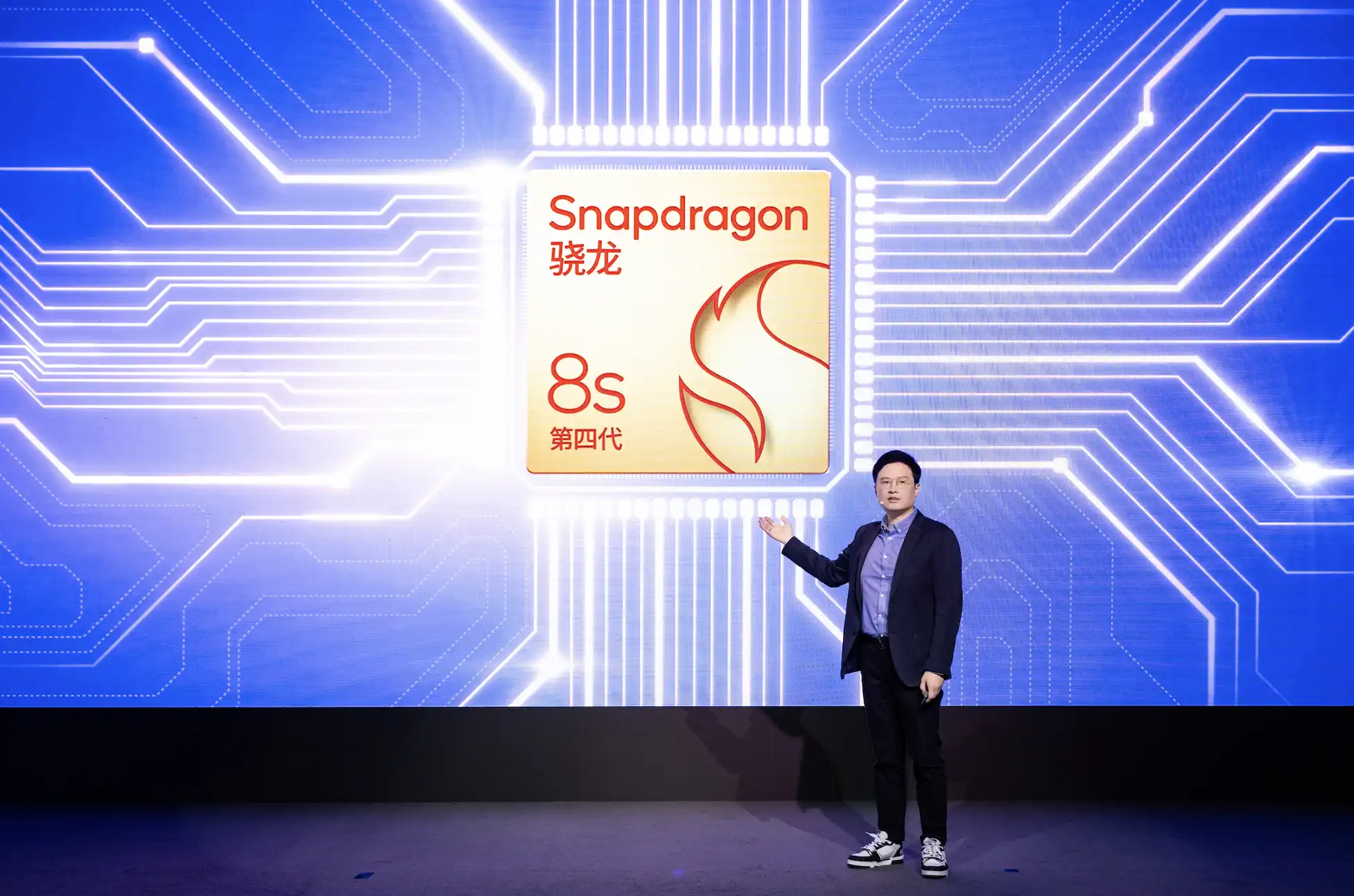
Qualcomm has officially unveiled its latest chipset, the Snapdragon 8s Gen 4, positioning it as a compelling option for premium smartphones that won’t break the bank. This new processor brings several notable improvements over its predecessor while introducing an intriguing CPU configuration that could deliver impressive multi-threaded performance.
Snapdragon 8s Gen 4 : A Surprising Name and Architecture
Despite earlier rumors suggesting it would be called the “Snapdragon 8s Elite,” Qualcomm opted for the Snapdragon 8s Gen 4 moniker for this China-launched processor. This naming decision likely stems from the chipset’s use of standard Arm Cortex CPU cores rather than Qualcomm’s custom Oryon technology found in the flagship Snapdragon 8 Elite.
The CPU configuration represents a significant departure from traditional smartphone processor designs. The Snapdragon 8s Gen 4 features:
One Cortex-X4 core at 3.2GHz
Three Cortex-A720 cores at 3GHz
Two Cortex-A720 cores at 2.8GHz
Two Cortex-A720 cores at 2GHz
Most notably, Qualcomm has eliminated the efficiency-focused “little” cores entirely, opting instead for an all-medium-and-big-core approach. While the processor shares the same big and medium cores as the 8s Gen 3, this architectural shift suggests we can expect substantially improved multi-core performance. Qualcomm claims a 31% CPU performance boost over last year’s model, though it hasn’t specified whether this refers to single or multi-core benchmarks.
Snapdragon 8s Gen 4 : Graphics and Gaming Upgrades
The Snapdragon incorporates an Adreno GPU featuring the same sliced architecture that debuted in the flagship Snapdragon 8 Elite. According to materials from Qualcomm China, this GPU includes two slices (compared to the Elite’s three) and 12MB of dedicated memory.
Gamers will appreciate the substantial 49% graphical performance improvement over the previous generation. The chip also supports advanced features like ray tracing and Qualcomm’s Game Super Resolution 2.0 technology, bringing flagship-level gaming capabilities to more affordable devices.
AI and Computational Photography Advancements
The new processor doesn’t skimp on AI capabilities either. With an enhanced NPU and twice the shared memory of its predecessor, the Snapdragon delivers 44% faster AI performance according to Qualcomm’s benchmarks.
Photography enthusiasts will benefit from several camera upgrades, including:
Support for 320MP snapshots (up from 200MP)
108MP single-camera capability with multi-frame processing
Triple 36MP camera configurations
4K/30fps low-light video recording
Up to 250 layers of real-time segmentation in photos and videos
Real-time skin and sky tone correction
Truepic authentication for verifying image authenticity
However, the chip does make some video compromises compared to Qualcomm’s top-tier offerings. The Snapdragon 8s Gen 4 forgoes 8K/30fps, 4K/120fps, and 720p/960fps capabilities, instead focusing on 4K/60fps and 1080p/480fps recording options.
While Qualcomm hasn’t yet announced which smartphones will feature the new Snapdragon, this chipset is positioned to power the next generation of premium mid-range devices that deliver flagship-like performance at more accessible price points.
All products, and company names, logos, and service marks (collectively the "Trademarks") displayed are registered® and/or unregistered
trademarks™ of their respective owners.
The authors of this web site are not sponsored by or affiliated with any of the third-party trade mark or third-party registered trade mark owners,
and make no representations about them, their owners, their products or services.
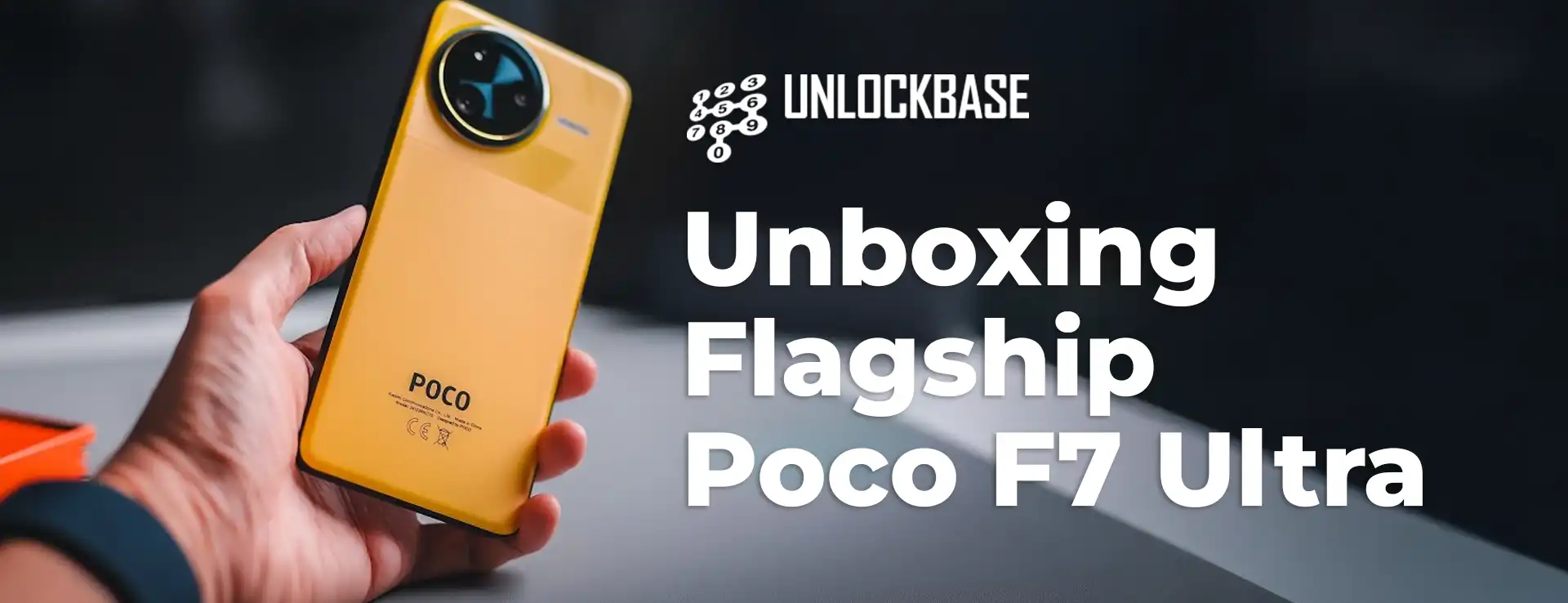
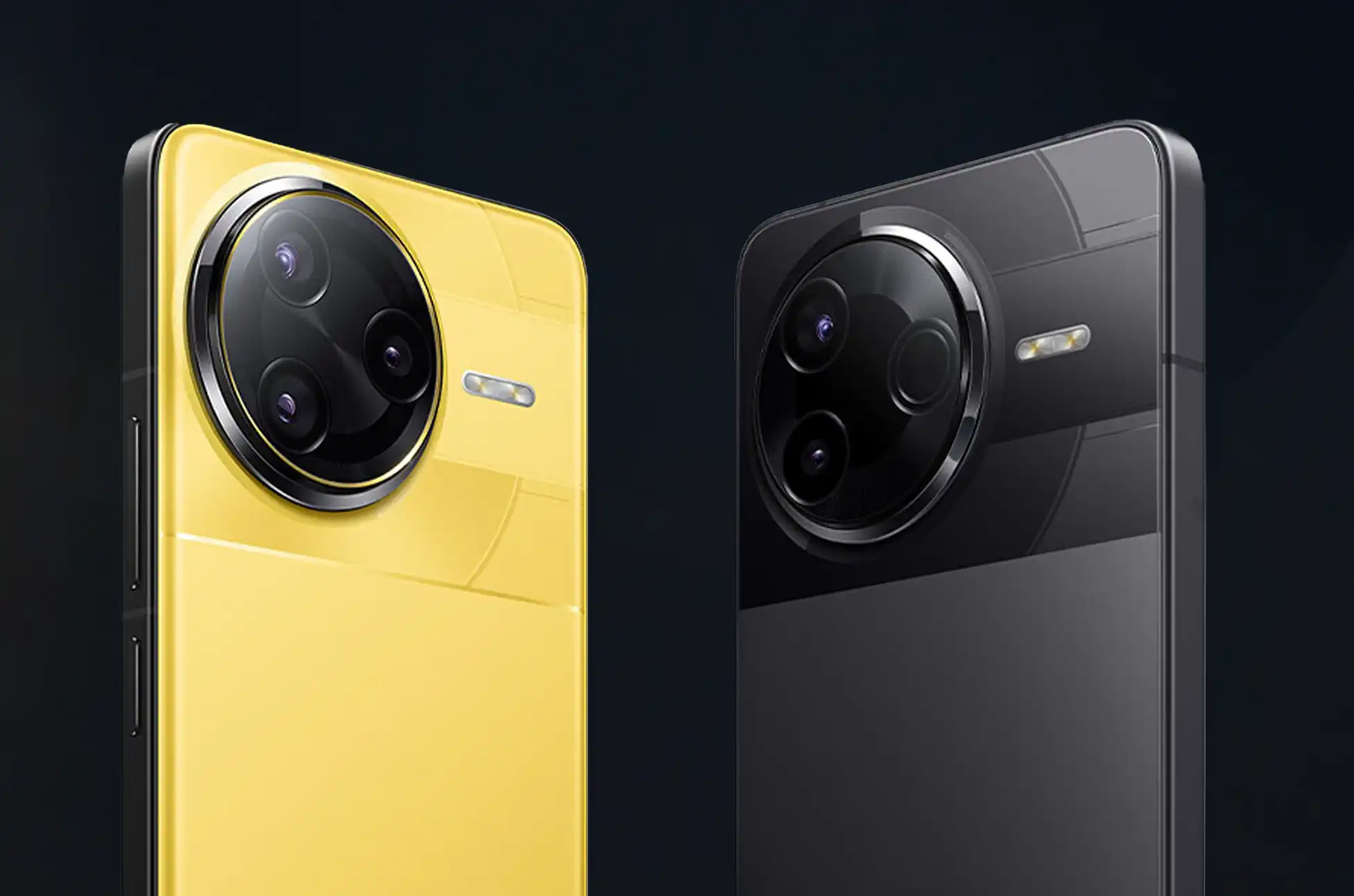
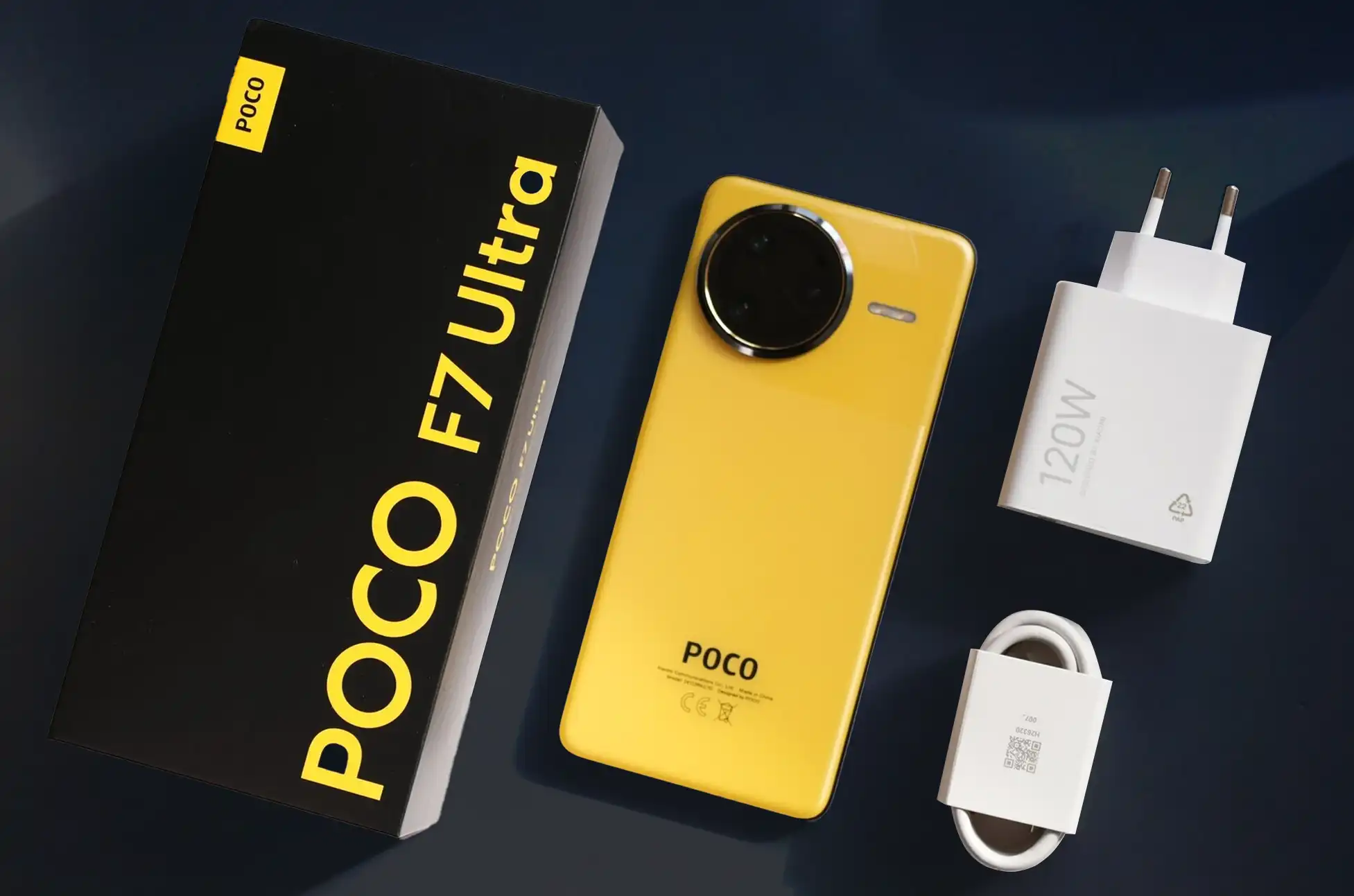
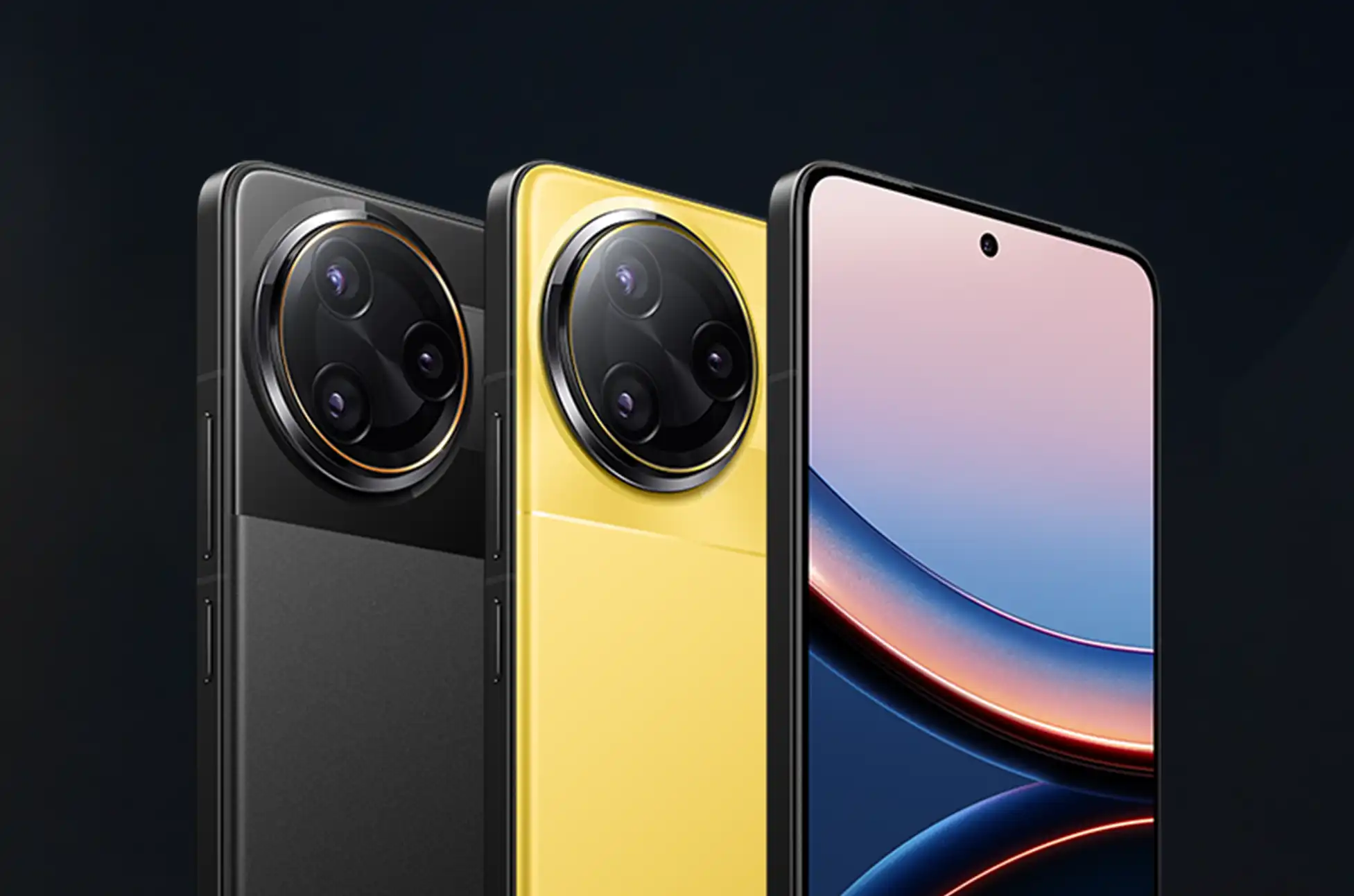
POCO has long been recognized for its upper mid-range smartphones, but the new F7 Ultra represents a significant leap forward. This device, essentially a rebranded version of the China-only Redmi K80 Pro, promises flagship-tier features at a competitive price point.
Design and Build: POCO F7 Ultra – Fresh Take on Smartphone Aesthetics
The POCO F7 Ultra stands out with its distinctive design elements:
Two-toned rear cover with a shiny circular camera housing
Anti-glare glass back reminiscent of early Pixel phone designs
Impressive IP68 rating, a rarity in the POCO lineup
Battery and Charging: Balancing Capacity and Speed
Key battery and charging specifications include:
5,300mAh battery
120W wired charging (100% charge in 34 minutes)
50W wireless charging
Battery rated for 1,600 charging cycles
POCO F7 Ultra : Software and Additional Features
The device runs on Hyper OS 2 atop Android 15, offering:
Reduced bloatware
Four years of OS upgrades
Six years of security patches
Additional features like IR blaster and dual stereo speakers
Pricing and Value Proposition
Ultra Pricing
12GB/256GB variant: $649 (early bird price $599)
12GB/512GB variant: $699 (early bird price $649)
Pro Pricing
12GB/256GB variant: $499 (promotional price $449)
POCO F7 Ultra : Conclusion
The POCO F7 Ultra offers an impressive package for budget-conscious flagship seekers. While it isn’t perfect, its combination of performance, camera capabilities, and competitive pricing makes it a compelling option in the 2025 smartphone market.
Pros
Excellent value for money
Versatile camera system
Strong performance
IP68 rating
Cons
High thermal performance under extreme stress
No eSIM support
Uncertain back glass protection
All products, and company names, logos, and service marks (collectively the "Trademarks") displayed are registered® and/or unregistered
trademarks™ of their respective owners.
The authors of this web site are not sponsored by or affiliated with any of the third-party trade mark or third-party registered trade mark owners,
and make no representations about them, their owners, their products or services.
Galaxy S25 Instant Hotspot? One of Android’s greatest strengths has always been its flexibility—allowing users to mix and match devices from different manufacturers while maintaining core functionality. You can happily use a phone, tablet, and smartwatch from completely different companies, and they’ll generally work well together.
However, certain premium features have typically remained locked within single-brand ecosystems. Until now, seamlessly sharing your Samsung phone’s internet connection with a non-Samsung tablet required manual setup. That changes with the Galaxy S25, which becomes Samsung’s first phone to support Android’s universal Instant Hotspot feature.
Samsung has long enticed users to stay within its ecosystem by offering compelling cross-device features that only work with Samsung-branded products. Beyond attractive pricing bundles, the company creates powerful software integrations exclusive to its device family.
Auto Hotspot stands out as one such feature—providing an effortless way to share internet connections between Samsung devices. This system works brilliantly, but with one significant limitation: it’s strictly confined to Samsung hardware. If you prefer Android tablets from other manufacturers, you’ll be forced to:
Manually enable hotspot functionality on your Samsung phone
Navigate to your tablet’s Wi-Fi settings
Select the hotspot connection
Enter security credentials when prompted
This multi-step process creates unnecessary friction in what should be a seamless experience.
Galaxy S25 Instant Hotspot : The Universal Solution
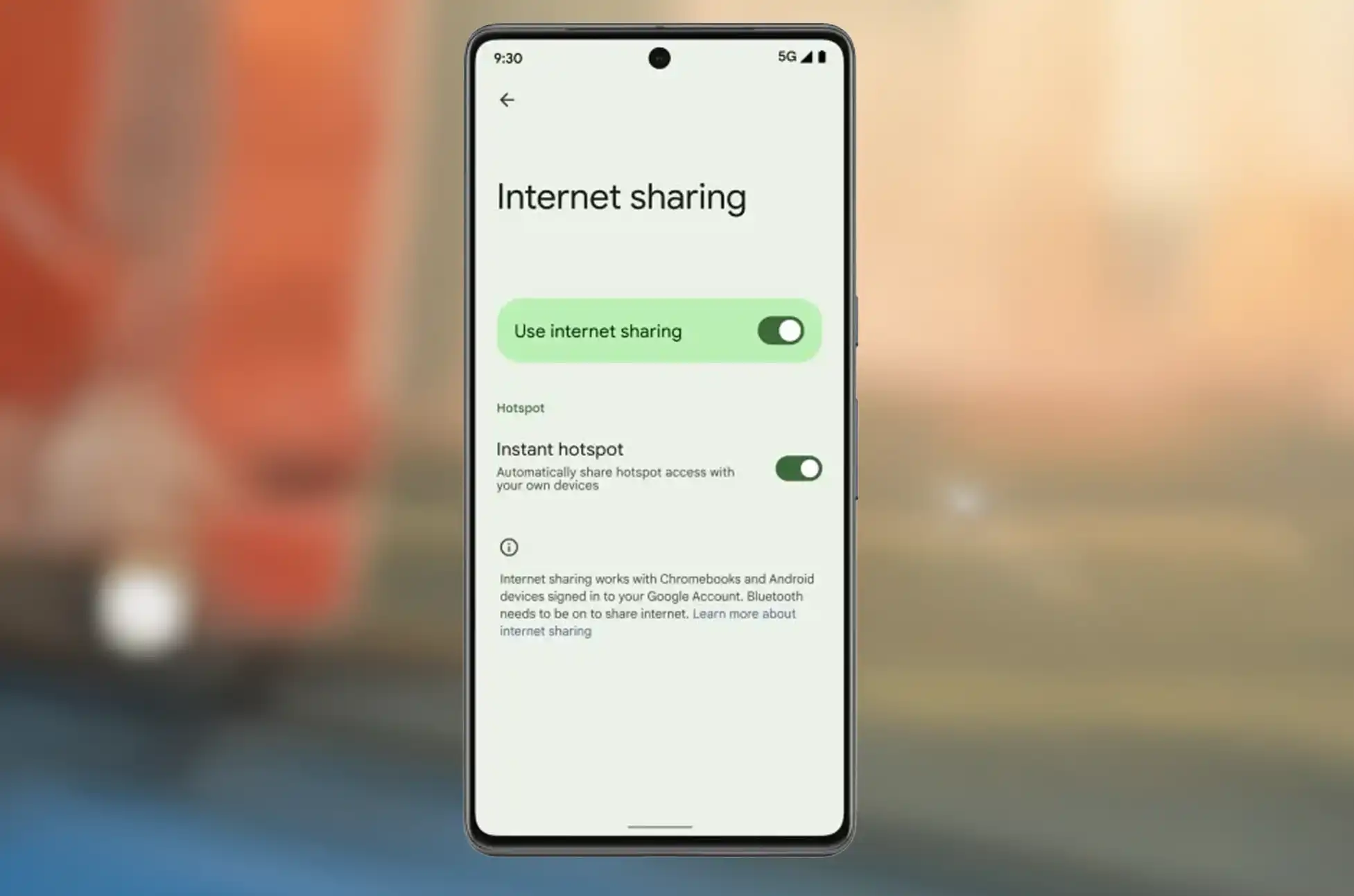
For users with non-Samsung Android phones, connectivity has been considerably simpler thanks to Android’s Instant Hotspot feature. This functionality is part of Android’s broader Cross-Device Services suite, which operates through Google Play Services across compatible Android devices.
While Samsung phones have included Cross-Device Services, they’ve notably lacked Instant Hotspot support since the feature’s introduction. This omission has created an artificial barrier for Samsung phone owners wanting to connect non-Samsung Android tablets without manual configuration.
The good news? Starting with the Galaxy S25 series, Samsung has finally integrated Instant Hotspot functionality. We’ve personally verified this working on our Galaxy S25 Ultra review unit, and Google’s support documentation confirms the addition.
The feature works exactly as expected:
Your Android tablet receives a notification offering your phone’s internet connection
Tapping “Connect” automatically creates a temporary hotspot on your phone
Your tablet connects instantly without manual intervention
Alternatively, you can select your phone’s hotspot directly from your tablet’s internet panel
This streamlined process eliminates the friction that previously existed when using Samsung phones with Android tablets from other manufacturers.
Is One UI 7 the Key to Wider Compatibility?
Google’s support documentation states that Instant Hotspot is available specifically on “Samsung S25 and newer devices.” However, there’s promising news for owners of older Samsung phones. Multiple users who have updated their previous-generation Galaxy devices to One UI 7 report that Instant Hotspot now works for them as well.
This pattern suggests that One UI 7 itself may be the enabling factor for Instant Hotspot compatibility on Samsung devices. The logical conclusion is that previous One UI versions contained elements incompatible with this particular Cross-Device Service, and the latest update resolves these conflicts.
The Future of Connected Android Devices
This integration represents a significant step toward a more cohesive Android ecosystem, where device capabilities aren’t artificially restricted by manufacturer boundaries. As mobile technology continues evolving, these cross-device experiences become increasingly important to users managing multiple devices.
Samsung’s adoption of Android’s Instant Hotspot feature signals a willingness to embrace standardized connectivity solutions alongside its own ecosystem-specific features. This dual approach provides users with greater flexibility while maintaining the premium integrated experiences Samsung is known for.
Galaxy S25 Instant Hotspot : Conclusion
Do you own a Samsung phone and a non-Samsung Android tablet? We’d love to hear about your experience with Android’s Instant Hotspot feature in the comments! Has this addition made your cross-device workflow smoother? Does it influence your future purchasing decisions? Share your thoughts below!
All products, and company names, logos, and service marks (collectively the "Trademarks") displayed are registered® and/or unregistered
trademarks™ of their respective owners.
The authors of this web site are not sponsored by or affiliated with any of the third-party trade mark or third-party registered trade mark owners,
and make no representations about them, their owners, their products or services.
iPad A16 vs 10th Gen? New tech is tempting—but sometimes, grabbing last year’s model can be the smarter move. If you’re in the market for an iPad, you’ve got two solid choices currently on sale: the latest iPad A16 and the 10th Generation iPad. Both deliver great value, but which one should you pick?
Let’s break it down. 👇
🔥 iPad A16 vs 10th Gen Are Both Discounted
iPad A16 vs 10th Gen. Right now on Amazon, you can score:
iPad A16 for $328.86 (Blue & Silver)
iPad 10th Gen for $269 (Blue & Silver)
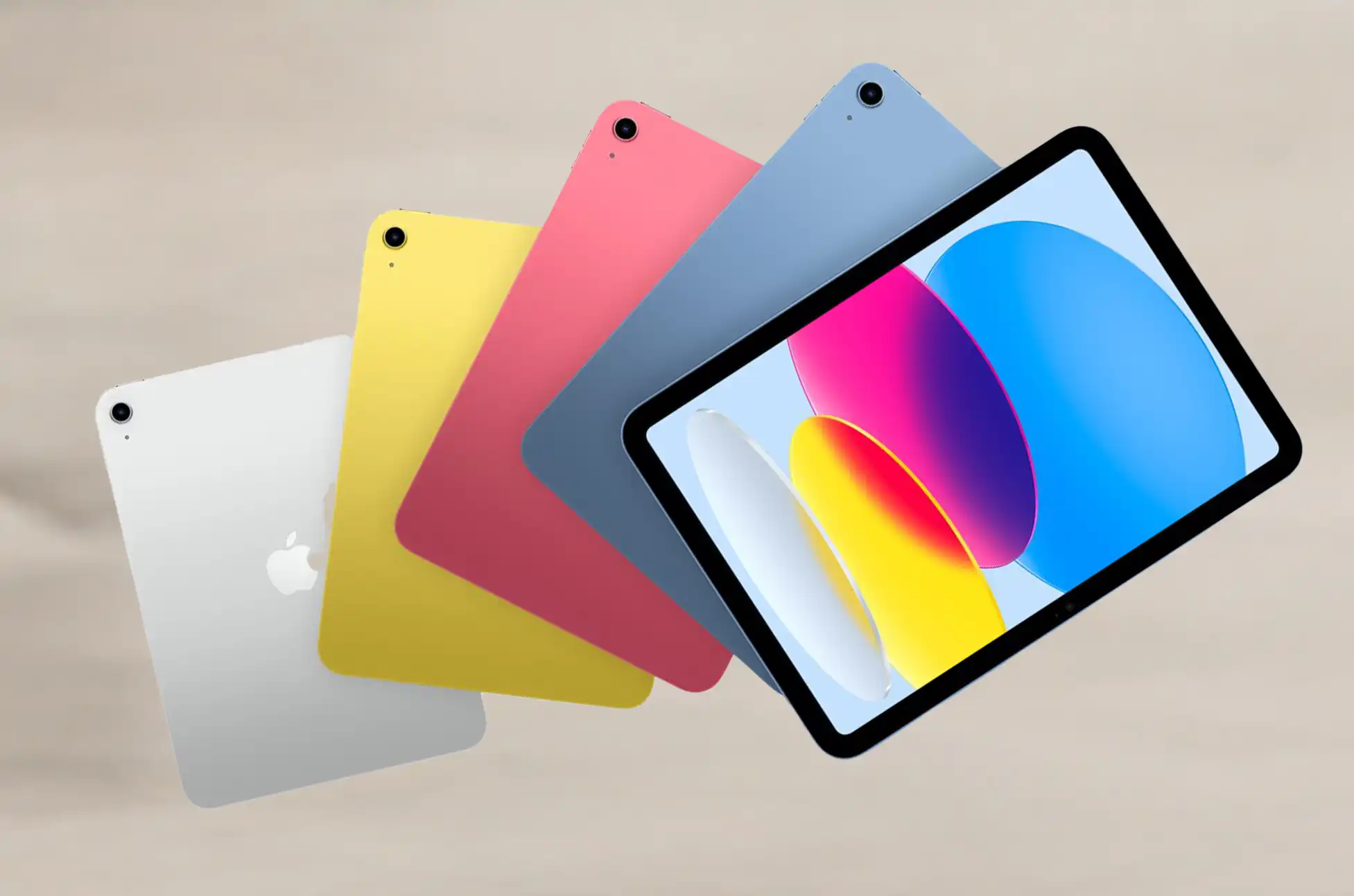
Want a splash of color? Pink and Yellow variants cost a bit more on both models—but not by much.
🆕 Why Go for the iPad A16?
Best for: Power users and those needing more storage
The iPad A16 is Apple’s newest base model, and it’s already seeing a surprising price drop—even before its full retail rollout. That’s rare for any Apple product.
Here’s what you get with the A16:
🚀 Faster performance with the A16 chip (vs A14 Bionic in the 10th Gen)
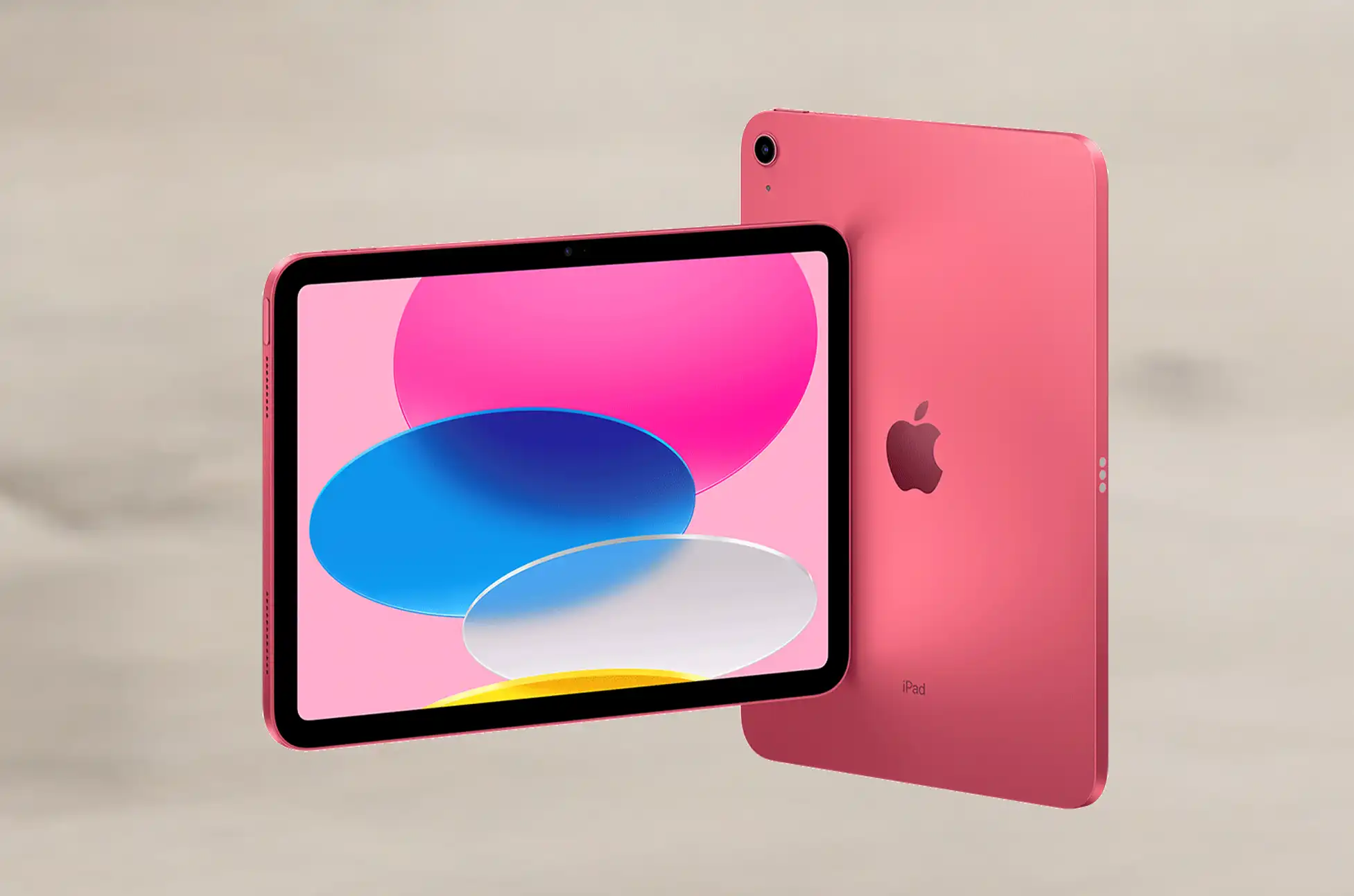
Everything else? Nearly identical. Same size,weight,aluminum design,color choices. Same battery life (up to 10 hours). Both support Apple Pencil (USB-C & 1st Gen) and feature a 12MP rear camera.
So the A16 is a mild but meaningful upgrade—especially if you want more room for apps, photos, and files.
💰 Why the iPad 10th Gen Might Be the Smarter Buy
Best for: Everyday users who want premium Apple quality at a lower price
At just $269, the 10th Gen iPad is a steal. Yes, it’s last year’s model—but it still performs like a champ.
🔧 Powered by the A14 Bionic chip, which is no slouch (still smooth for gaming, streaming, and even photo editing)
✅ Same sleek design and features as the A16
☁️ If you use cloud storage, the 64GB capacity may be more than enough
Let’s be honest: if you’re not doing heavy multitasking or storing loads of media, you may not need the latest chip or extra space.
You could even use the savings to grab an Apple Pencil or a quality case.
iPad A16 vs 10th Gen : 🛍️ So… Which One Should You Get?
Model
Best For
Price
Storage
Chip
iPad A16
Power users
$328.86
128GB
A16
iPad 10th Gen
Everyday use
$269
64GB
A14 Bionic
iPad A16 vs 10th Gen? If you want maximum value without compromising much on performance, the 10th Gen iPad is still one of the best budget tablets around. But if you want to future-proof your device with more speed and storage, the A16 is a solid upgrade for just $60 more.
All products, and company names, logos, and service marks (collectively the "Trademarks") displayed are registered® and/or unregistered
trademarks™ of their respective owners.
The authors of this web site are not sponsored by or affiliated with any of the third-party trade mark or third-party registered trade mark owners,
and make no representations about them, their owners, their products or services.
Google Pixel 10 Review? Recent leaked renders of the Google Pixel 10 series reveal a trio of handsets that maintain virtually identical aesthetics to their predecessors. If you’ve seen the Pixel 9 family (Pixel 9, Pixel 9 Pro, and Pixel 9 Pro XL), you’ve essentially seen the upcoming Pixel 10 lineup. The only notable design change appears to be the curious addition of a third camera on the base Pixel 10 model—otherwise, Google seems to be sticking with its established design language.
While some might dismiss these renders as uninspired, there’s a compelling case for Google’s decision to maintain consistency. The Pixel 9 series boasts some of the industry’s finest build quality, with aesthetics that continue to impress. Though a fresh design would certainly generate excitement, it’s difficult to complain when the current offering delivers such exceptional quality.
However, this praise comes with an important caveat. Despite my appreciation for the build and visual appeal of the Pixel design, one significant issue remains—and the Google Pixel 10 family shows no signs of addressing it.
The Weighty Issue: Pixel’s Uncomfortable Density Problem
Six months after the Pixel 9 Pro’s launch, revisiting the device revealed an overlooked flaw: the Pixel 9 Pro is uncomfortably heavy. The phone feels dense and noticeably top-heavy with each use—a characteristic that becomes increasingly apparent in daily handling and stands out as one of its least appealing qualities.
This observation might seem surprising when examining the specifications. The Pixel 9 Pro weighs 199 grams which, while not lightweight, isn’t unprecedented in the smartphone market. For perspective, consider these comparable devices:
Nothing Phone 3a: 201 grams
OnePlus 13: 210 grams
Samsung Galaxy S25 Ultra: 218 grams
Xiaomi 15 Ultra: 226 grams
The crucial difference lies in the form factor. While the Pixel 9 Pro features a relatively compact 6.3-inch display, the competitors listed above sport much larger screens ranging from 6.7 to 6.9 inches. The regular Pixel 9 presents the same issue—also housing a 6.3-inch display while weighing a substantial 198 grams.
Size Matters: How Pixel Compares to True “Compact” Phones
When compared to genuine compact smartphones, the unusual weight distribution of the Pixel 9 and Pixel 9 Pro becomes even more pronounced. The base Galaxy S25 features a similar 6.2-inch screen but weighs just 162 grams—delivering a significantly more comfortable handling experience. Similarly, the iPhone 16 with its 6.1-inch display weighs only 170 grams.
Despite having comparable screen sizes, both Pixel 9 models feel noticeably bulkier than the Galaxy S25 and iPhone 16. While they aren’t the heaviest smartphones based purely on specifications, their weight concentrated within a smaller profile creates a disproportionately hefty feel compared to other devices.
The Technical Explanation: Justified Weight or Design Oversight?
Defenders might argue that the Pixel 9 Pro’s additional weight is justified by its enhanced capabilities. It does feature a substantially larger battery than both the Galaxy S25 and iPhone 16, while also incorporating a periscope telephoto camera that neither competitor offers. This formula—larger battery plus advanced camera technology—naturally contributes to increased weight, representing a seemingly reasonable trade-off.
However, this argument loses credibility when considering the base Pixel 9, which weighs almost identically despite having only two cameras. Furthermore, the weight issue becomes even more apparent when comparing different form factors:
When holding the Pixel 9 Pro alongside the OnePlus 13, the latter feels lighter despite actually weighing 11 grams more
The OnePlus 13’s wider, taller frame allows for more balanced weight distribution, creating a superior in-hand experience
This improved ergonomics exists despite the OnePlus also featuring a periscope telephoto camera and a battery 1,300 mAh larger than the Pixel
Google Pixel 10 Review : Will Google Address the Weight Problem?
Based on the latest leaked renders, it appears the weight issue will likely persist with the Pixel 10 series. The Pixel 10 Pro’s dimensions remain virtually identical to its predecessor, reportedly measuring just 0.10mm thicker. Similarly, the base Pixel 10 shows a slight thickness increase, but with the potential addition of another camera sensor, it might actually become heavier than before.
While Google could theoretically find ways to reduce weight despite the similar dimensions, the nearly identical design offers little reason for optimism. Such similar physical specifications leave minimal opportunity for Google to shed the much-needed grams that would improve the handling experience.
The Compact Compromise: When Small Doesn’t Feel Small
This weight issue represents a particularly disappointing compromise for the Pixel 9 Pro. The entire purpose behind offering both Pro and Pro XL models was to deliver premium features in a more compact form factor. While Google succeeded in creating a smaller display size, the disproportionate weight undermines the compact phone experience in a meaningful way.
As more details about the Pixel 10 series emerge in coming weeks, the weight specifications will be worth watching closely. Though significant weight reduction seems unlikely given the apparent design similarities, Google might still surprise us with engineering improvements that address this persistent ergonomic challenge.
Google Pixel 10 Review : Conclusion
The Google Pixel 10 series appears poised to continue the design excellence established by its predecessors—delivering beautiful aesthetics and premium build quality that stands among the industry’s best.
However, the unresolved weight distribution issues threaten to undermine the otherwise exceptional user experience, particularly for those seeking a truly comfortable compact flagship.
For potential buyers, particularly those sensitive to device ergonomics, this weight consideration may prove to be the deciding factor when evaluating the Pixel 10 against increasingly refined competition. What do you think? Does a phone’s weight significantly impact your purchasing decision, or are other factors more important to you? Share your thoughts in the comments below!
All products, and company names, logos, and service marks (collectively the "Trademarks") displayed are registered® and/or unregistered
trademarks™ of their respective owners.
The authors of this web site are not sponsored by or affiliated with any of the third-party trade mark or third-party registered trade mark owners,
and make no representations about them, their owners, their products or services.
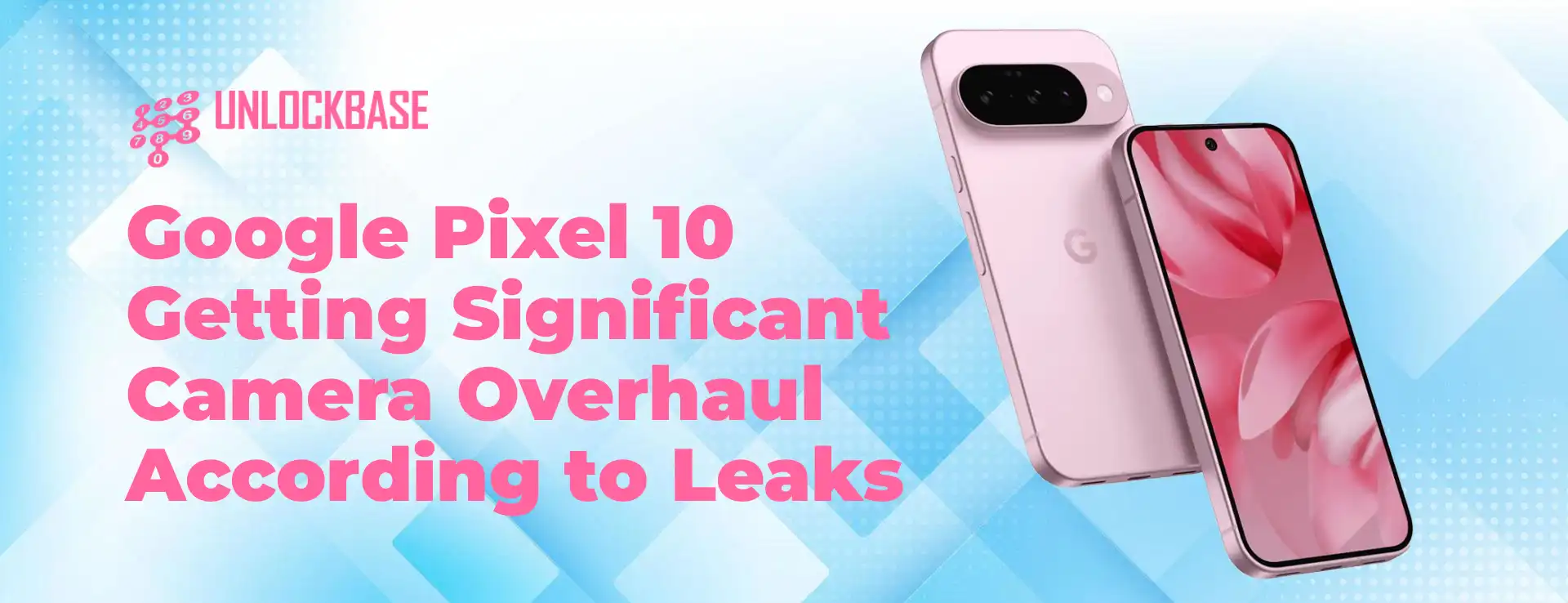
Google Pixel 10 Leaks : Just when you thought smartphone cameras couldn’t get more impressive, Google appears ready to shake things up again.
The tech giant might be bringing one of its most premium features to its more affordable flagship, and camera enthusiasts should be very excited.
Is Google Finally Bringing Pro Camera Features to the Standard Pixel?
The Pixel 9 series has won our hearts as one of the best Android experiences of 2024, and that’s precisely why we’re buzzing with excitement about what’s coming next. Fresh leaks of the Pixel 10 series have just dropped, giving us a tantalizing glimpse into Google’s next flagship lineup – and there’s one upgrade that might change everything.
Triple Camera Coming to the Base Pixel 10?
According to freshly leaked CAD renders shared by AndroidHeadlines and reliable leaker OnLeaks, the standard Pixel 10 is getting a significant camera upgrade that Pixel fans have been dreaming about for years. While the Pixel 9 sports a dual camera setup, its successor is reportedly jumping to a triple camera array – previously a feature reserved for the Pro models.
This is huge news! The base Pixel model has typically offered a more affordable entry point into Google’s ecosystem, with camera compromises being the main difference from the pricier Pro variants. With this change, the line between the standard and Pro models becomes increasingly blurred.
Even more intriguing, the shape of the additional sensor suggests it could be a periscope zoom lens, though CAD renders can sometimes be misleading about specific components. OnLeaks has doubled down on the triple camera claim, adding credibility to this exciting development.
Google Pixel 10 Leaks : What About Size and Design?
The leaks indicate Google is sticking with its winning design language:
Pixel 10: Measuring 152.8 x 72 x 8.6mm (just 0.1mm thicker than Pixel 9) with a 6.3-inch display
Pixel 10 Pro: Identical dimensions to the base model at 152.8 x 72 x 8.6mm, also with a 6.3-inch display
Pixel 10 Pro XL: Coming in at 162.7 x 76.6 x 8.5mm, virtually identical to its predecessor
Interestingly, AndroidHeadlines claims the same case will fit both the Pixel 10 and 10 Pro, suggesting extremely similar body designs. This raises an important question: with both models potentially sporting triple cameras and identical dimensions, what will differentiate the Pro from the standard model? Perhaps we’ll see differences in materials, display quality, or special software features.
What About the Next Pixel Fold?
Notably absent from these leaks is any information about the next-generation Pixel foldable. We’re still waiting on those renders, assuming Google is indeed developing a follow-up to the Pixel Fold.
Powered by Tensor G5
All these devices are expected to run on Google’s next-generation Tensor G5 processor, which has already been mentioned in previous leaks. This should bring improved AI capabilities, better power efficiency, and enhanced performance across the board.
Google Pixel 10 Leaks : What Do You Think?
Are you excited about the potential triple camera upgrade coming to the base Pixel 10? Would this make you more likely to choose the standard model over the Pro? Or are you concerned that this might push the base model’s price higher?
All products, and company names, logos, and service marks (collectively the "Trademarks") displayed are registered® and/or unregistered
trademarks™ of their respective owners.
The authors of this web site are not sponsored by or affiliated with any of the third-party trade mark or third-party registered trade mark owners,
and make no representations about them, their owners, their products or services.
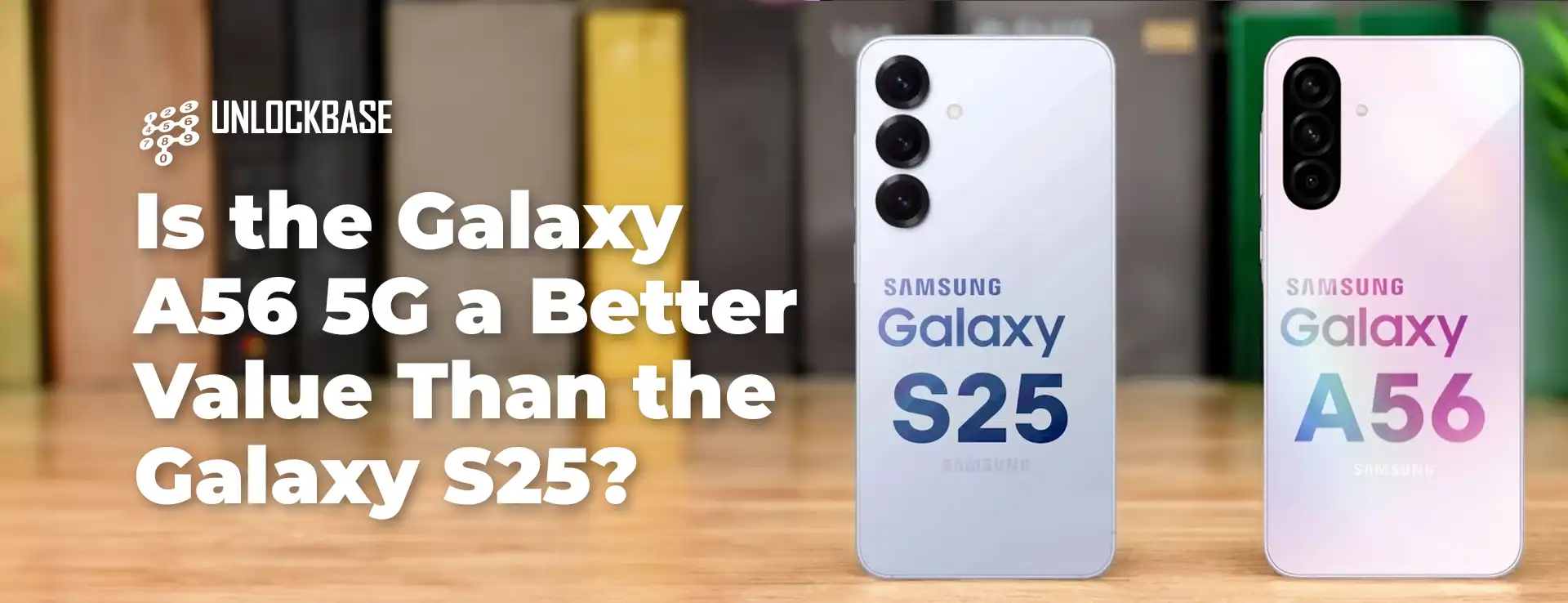
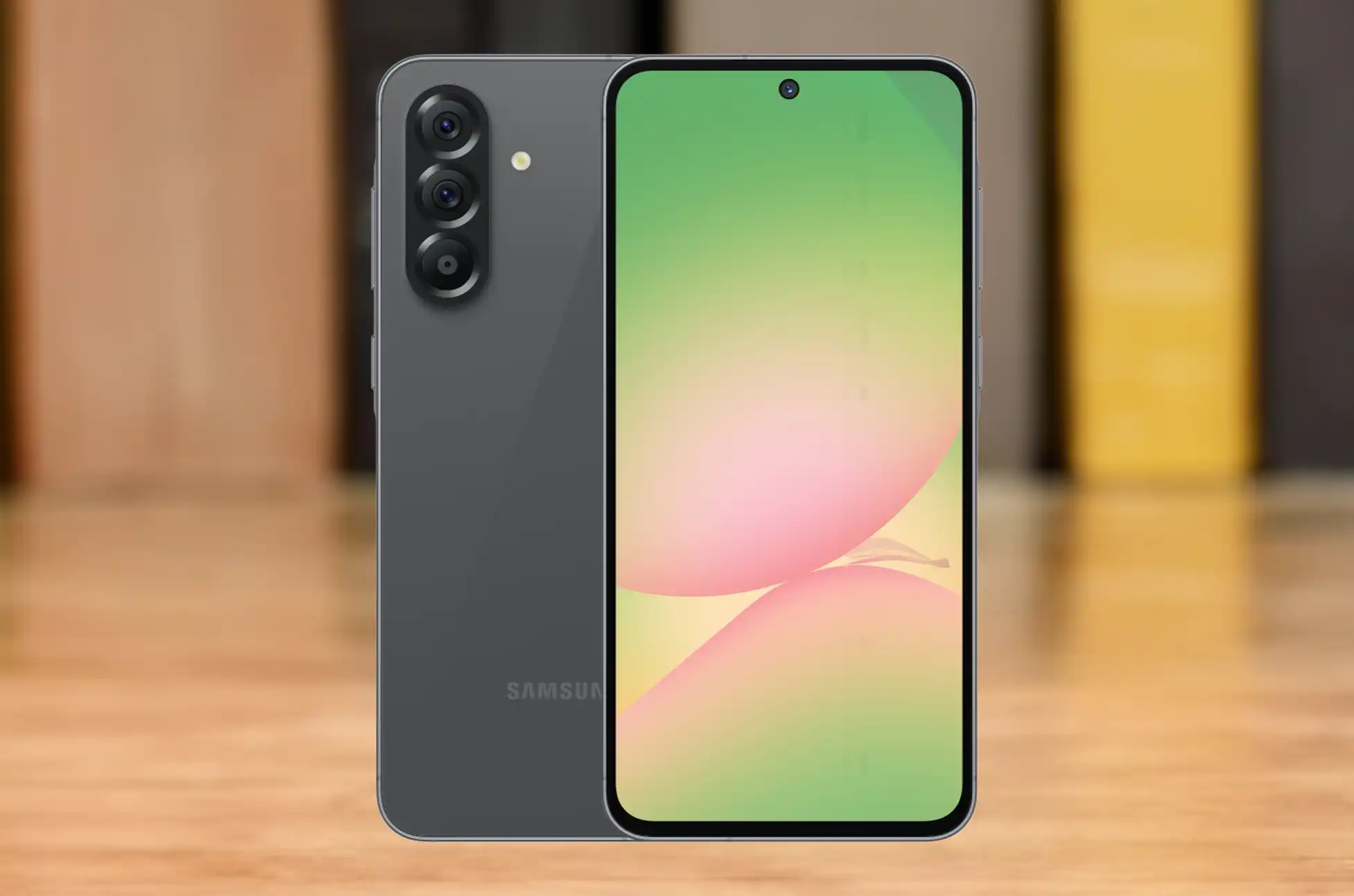
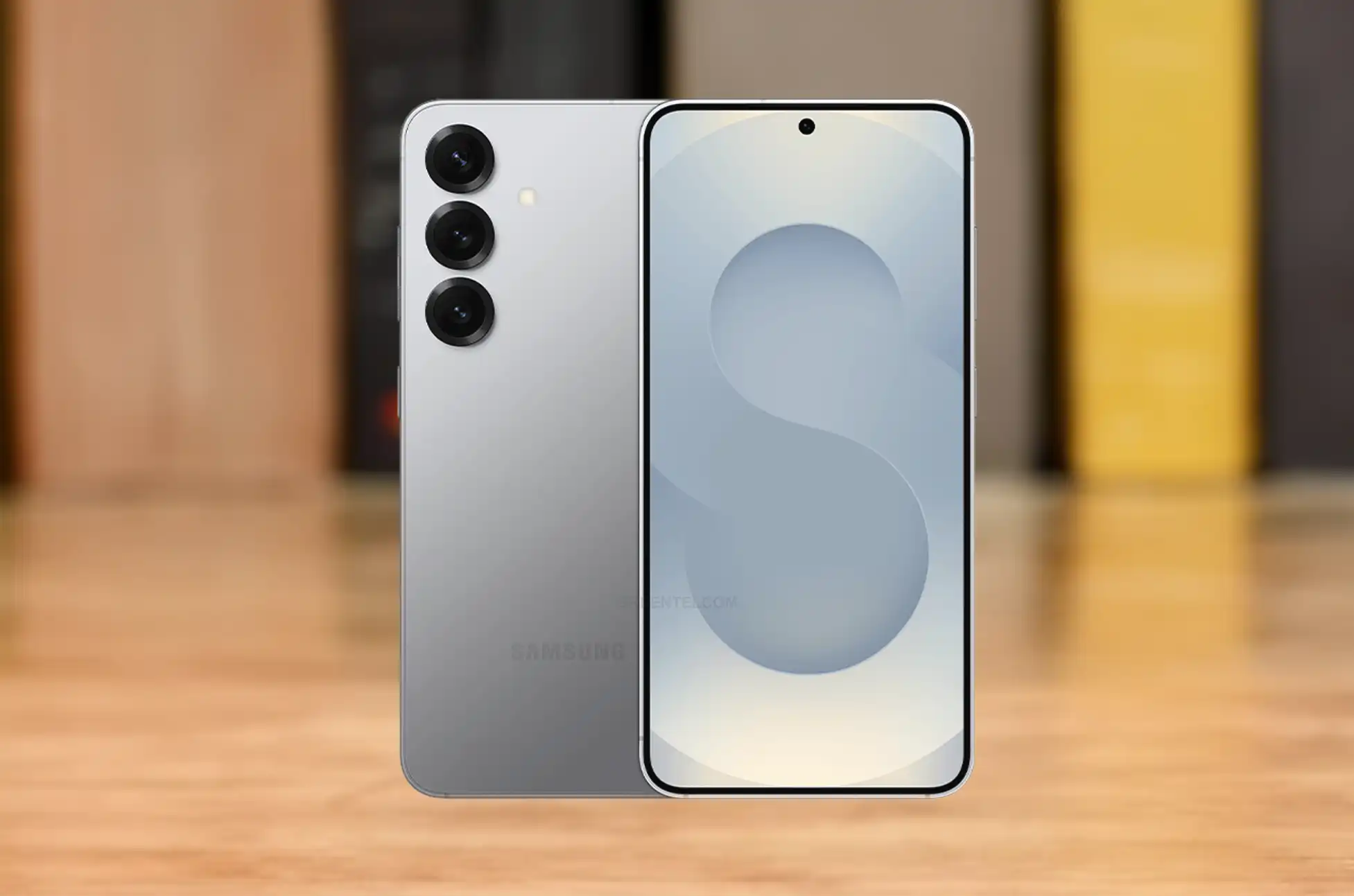
Samsung A56 or S25 ? While Samsung’s Galaxy S series has dominated the Android flagship landscape for nearly fifteen years, something unexpected has happened with their latest releases. The newly unveiled Galaxy A56 5G is challenging the base model Galaxy S25 with competitive specs at a significantly lower price point. As someone who recently switched to the compact Galaxy S25 from the massive S24 Ultra, I’m conflicted about a phone that costs $300 less while offering comparable—and sometimes superior—features.
Samsung A56 or S25 Battery and Charging: The A56 5G Takes the Crown
The Galaxy A56 5G delivers impressive hardware for its $500 price tag. When comparing key features with the Galaxy S25, several standout differences emerge:
Battery capacity: The A56 5G packs a 5,000mAh battery (matching the S25 Ultra), while the S25 makes do with just 4,000mAh
Charging speed: The A56 5G supports 45W “super fast charging” (identical to the S25+ and Ultra), whereas the S25 is limited to 25W
Screen size: The A56 5G features a larger 6.7-inch display compared to the S25’s 6.2-inch screen
While the S25’s smaller size naturally limits battery capacity, other similarly-sized phones like the Motorola ThinkPhone 25 manage to include larger batteries (4,310mAh) and faster charging (68W). Based on my experience, the S25’s battery life is adequate—comparable to my S24 Ultra—but the A56 5G will likely deliver significantly better endurance.
Samsung A56 or S25 Performance: Closer Than You Might Expect
The processing gap between these devices isn’t as dramatic as their price difference suggests. Yes, the S25’s Snapdragon 8 Elite outperforms the A56 5G’s Exynos 1580, but these differences are only noticeable in specific scenarios:
The A56 5G lacks some Galaxy AI features due to its less powerful chip
Gaming performance is reduced on demanding titles, though casual games run smoothly
The $300 premium for the S25’s performance boost is difficult to justify for most users
The battery efficiency advantages of the S25’s premium processor are essentially negated by the A56 5G’s larger power cell. In terms of memory and storage, the comparison becomes even more interesting—while the S25 starts at 128GB globally with 12GB RAM, the A56 5G offers 256GB in some regions (including the UK) with 8GB RAM. Most users won’t notice the RAM difference unless they frequently run multiple demanding apps simultaneously.
Where the Galaxy S25 Still Shines
Despite the compelling value proposition of the A56 5G, the S25 maintains several advantages that justify its premium positioning:
Superior camera system: The S25 features a useful 3X telephoto lens instead of the A56 5G’s limited 5MP macro camera
Wireless charging: The S25 supports 15W wireless charging with Qi2 compatibility, while the A56 5G offers no wireless charging
Design aesthetics: The S25 boasts a more refined look with slimmer, uniform bezels around its display
Software features: While both phones run One UI 7, the S25 exclusively offers Now Brief and Audio Eraser (the latter being particularly valuable for improving videos recorded in noisy environments)
Samsung A56 or S25 : Long-Term Software Support Considerations
The software support timeline shows a slight edge for the flagship model:
Galaxy S25: Seven years of OS updates
Galaxy A56 5G: Six years of OS updates
While a single year of extended support may not justify the $300 premium, the S25 will receive updates sooner and likely maintain feature parity longer. As Samsung continues to develop AI-focused features in future One UI versions, the gap between these devices will likely widen, even as they receive the same OS versions.
The Value Equation: A Challenge for Premium Phones
For those who prioritize wireless charging and superior photography, the S25’s premium may be worthwhile. However, the Galaxy A56 5G highlights an industry-wide issue affecting both Samsung and Google—mid-range phones now deliver approximately 90% of the flagship experience at roughly 60% of the cost.
While we celebrate the exceptional value of the $500 Galaxy A56 5G, we should also demand that Samsung enhance the value proposition of the Galaxy S series. Future-base model of S series deserve:
Better zoom capabilities with improved optical performance
Faster charging standards that match or exceed their mid-range counterparts
Larger battery capacities without compromising form factor
Exclusive AI features that deliver tangible benefits rather than novelty functions
Materials and build quality that genuinely feel premium in hand
Samsung A56 or S25 : Conclusion
What’s your take on this comparison? Would you select the Galaxy A56 5G over the S25, or are there specific flagship features worth the extra $300? Share your thoughts in the comments!
All products, and company names, logos, and service marks (collectively the "Trademarks") displayed are registered® and/or unregistered
trademarks™ of their respective owners.
The authors of this web site are not sponsored by or affiliated with any of the third-party trade mark or third-party registered trade mark owners,
and make no representations about them, their owners, their products or services.