
2026
“Remote Unlock via App” Claims in 2026: What’s Legitimate and What’s Not
Mobile Device Unlock App, Remote Unlock
The rise of the remote unlock app 2026 trend reflects how strongly users value convenience. As unlocking becomes more common for travel, resale, and carrier switching, app-based services now promise instant results directly from a smartphone screen.
At first glance, the idea sounds appealing. Install an app, tap a button, and your phone unlocks within minutes. However, the reality behind unlocking technology remains more complex. Understanding how legitimate processes work helps separate credible services from misleading shortcuts.
In 2026, clarity matters more than ever.
Why App-Based Unlock Claims Are Increasing
Several market trends explain why the remote unlock app 2026 concept has gained attention.
First, eSIM adoption has made many network changes appear digital and instant. Users now activate plans without visiting stores or inserting physical SIM cards. That shift creates the impression that unlocking might work the same way.
Second, app ecosystems continue expanding. Consumers manage banking, identification, and device security through apps, so unlocking seems like a logical extension.
Third, increased competition in the unlocking space encourages simplified marketing messages. Some providers compress complex processes into one-click promises.
While digital workflows do exist in legitimate unlocking, the idea that a standalone app can bypass carrier systems instantly does not align with how networks operate.
How Legitimate Unlocking Actually Works
To understand what is credible, it helps to examine how unlocking truly functions.
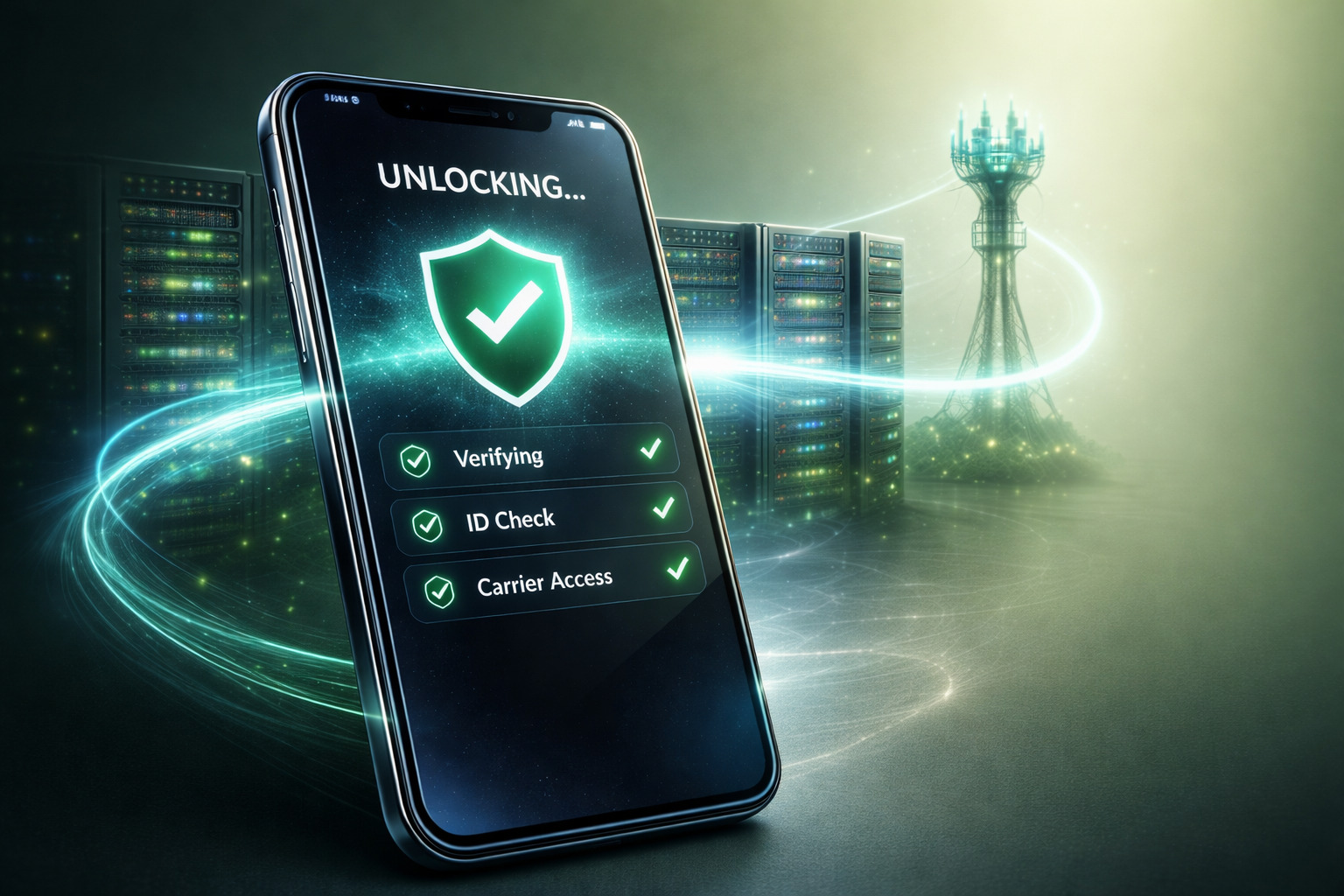
Carrier unlocking relies on database authorization. When a phone is locked, its IMEI number connects to a carrier’s internal system. Removing that lock requires updating the carrier’s records.
A legitimate unlocking process typically follows these steps:
- Device identification through IMEI
- Carrier and eligibility verification
- Submission through authorized channels
- Confirmation once the carrier updates its database
This process may involve digital systems, but it does not operate independently from carrier infrastructure. A genuine IMEI unlock method updates official records rather than altering software locally on the device.
Therefore, no app can override carrier databases without going through recognized procedures.
Understanding the real unlocking process makes it easier to identify services despite oversimplification or misrepresentation of how unlocking works.
Common Misleading Claims to Watch For
When evaluating a remote unlock app 2026 offer, certain patterns often appear in unreliable promotions.
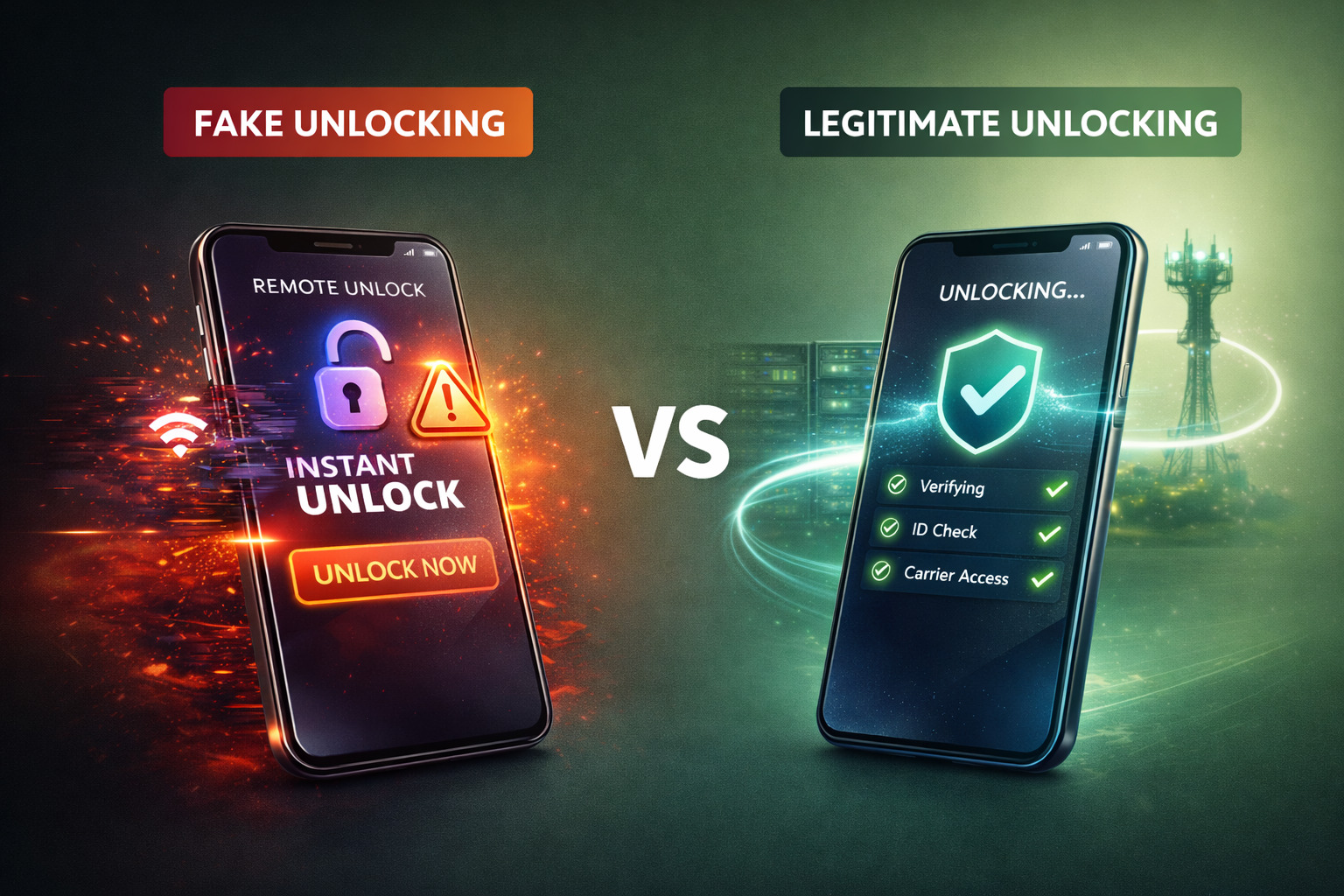
One common claim involves universal compatibility. An app may promise to unlock any phone, any carrier, instantly. In reality, eligibility depends on carrier policies, contract status, and regional regulations.
Another red flag involves offline unlocking. Some apps claim they can unlock a device without internet access or carrier communication. Since unlocking requires database updates, such claims conflict with technical reality.
Excessive urgency can also signal concern. Messages that pressure users to act immediately or suggest limited-time “free” access often rely on impulse decisions rather than informed consent.
While not every app-based service is illegitimate, many unlock phone app scam patterns revolve around oversimplification and unrealistic guarantees.
Safe Phone Unlocking in 2026
Safe phone unlocking prioritizes transparency and compliance. A legitimate unlocking service explains:
- Which carriers it supports
- What information is required
- How long the process may take
- What limitations may apply
Providers that respect carrier rules avoid promising universal success. They clarify eligibility requirements rather than bypassing them.
In many cases, the unlocking request still happens remotely, but not through a standalone consumer app. Instead, the service coordinates backend communication with carrier systems.
This distinction defines the difference between a marketing shortcut and a legitimate unlocking service.
Unlocking Red Flags Worth Noticing
Consumers evaluating unlocking options in 2026 should look beyond convenience claims.
Warning signs may include:
- No explanation of the IMEI unlock method
- Lack of carrier-specific information
- Absence of customer support contact details
- Guarantees that ignore eligibility rules
When a service avoids clear explanations, it reduces accountability. Transparency, by contrast, signals professionalism.
App-based interfaces are not inherently problematic. The concern arises when the interface replaces explanation rather than supporting it.
Why the Appeal of “Instant” Can Be Misleading
Speed appeals to modern users. However, unlocking is not merely a software toggle—it reflects network authorization.
Even legitimate services require processing time. Carrier systems must register the change, and in some cases, verification steps ensure compliance.
Promises of immediate transformation without verification ignore the structured nature of mobile networks. Users who understand this dynamic approach unlocking decisions more confidently.
The key question is not whether an app exists, but whether the process behind it respects carrier frameworks.
How to Verify a Trusted Unlock Provider
Choosing a trustworthy service in the era of the remote unlock app 2026 trend undoubtedly involves asking practical questions.
Does the provider clearly explain the unlocking method?
Does it specify supported carriers and models?
Does it outline realistic timelines?
Does it provide customer support and documented policies?
A reliable provider emphasizes clarity rather than marketing shortcuts. It explains why unlocking requires verification and what steps protect both user and device.
Users who take a few minutes to evaluate these factors significantly reduce risk.
The Role of Consumer Awareness in 2026
As mobile technology evolves, so do the ways services present themselves. Digital interfaces make processes feel simpler, but simplicity in presentation does not eliminate complexity behind the scenes.
In 2026, however, informed users hold the advantage. They recognize that unlocking involves carrier systems, eligibility checks, and structured procedures.
Understanding the difference between interface and infrastructure helps users avoid confusion and protect device value.
Conclusion: Convenience Should Not Replace Clarity
The remote unlock app 2026 concept reflects growing demand for digital convenience. However, legitimate unlocking remains rooted in carrier authorization and verified processes.
Users who understand how unlocking actually works can distinguish between responsible services and misleading shortcuts. Transparency, compliance, and realistic expectations define safe phone unlocking today.
UnlockBase.com follows transparent, verified unlocking procedures designed to protect users and their devices. For those seeking clarity, compliance, and long-term flexibility, UnlockBase offers a professional and reliable unlocking solution in 2026.
All products, and company names, logos, and service marks (collectively the "Trademarks") displayed are registered® and/or unregistered trademarks™ of their respective owners. The authors of this web site are not sponsored by or affiliated with any of the third-party trade mark or third-party registered trade mark owners, and make no representations about them, their owners, their products or services.


Comments are closed.