Despite a more regulated and mature mobile industry, phone unlocking scams 2026 remain a real concern for consumers worldwide. As demand for device flexibility grows—driven by international travel, resale, and eSIM adoption—so does the number of unreliable unlocking offers targeting uninformed users.
The good news is that most issues are avoidable. By understanding how legitimate unlocking works and knowing what warning signs to look for, users can unlock their phones safely and confidently without unnecessary risk.
Why Unlocking Scams Still Exist
Phone unlocking sits at the intersection of carriers, manufacturers, and regional regulations. This complexity creates space for confusion, which unreliable providers often exploit.
Several factors explain why phone unlocking scams 2026 continue to surface:
Many users do not know whether their device is eligible for unlocking
Carrier rules differ by country and network
Unlocking timelines vary by model and provider
The process itself happens remotely, which reduces visibility
Because users cannot “see” the unlocking process, trust becomes essential. When transparency is missing, mistakes happen.
Common Red Flags
Recognizing warning signs early helps users avoid unreliable services. While offers may look convincing at first glance, patterns often repeat.
Unrealistic Pricing
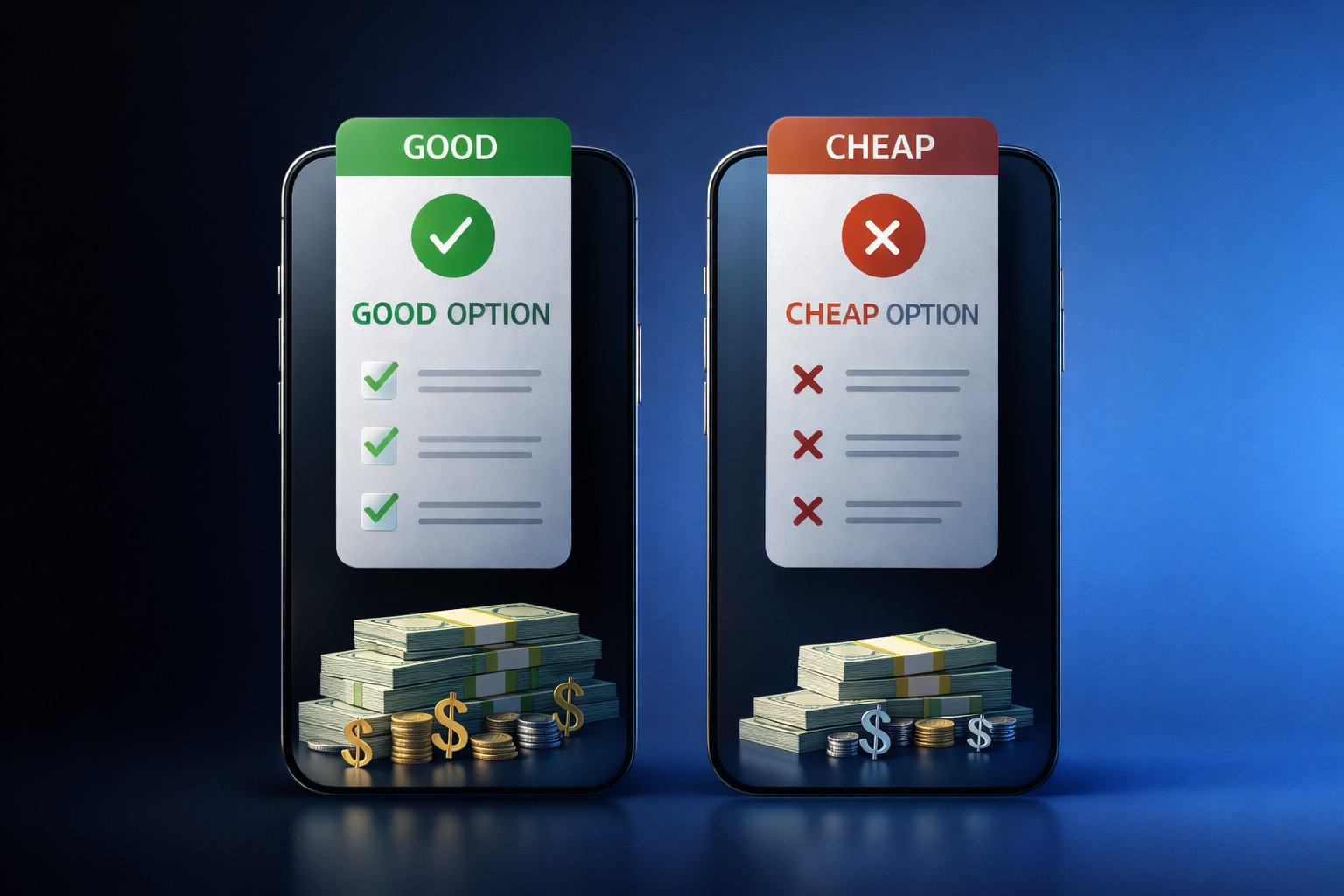
One of the clearest indicators of fake unlock services is pricing that sounds too good to be true.
Common examples include:
“Instant unlock for any phone, any carrier”
Extremely low flat fees for all devices
Guarantees that ignore model or carrier differences
Legitimate unlocking depends on device type, network, and eligibility. Pricing that ignores these factors often signals an unreliable offer.
Vague Processes
Another major red flag is a lack of clear explanation. If a provider cannot describe how unlocking works, users should pause.
Warning signs include:
No explanation of IMEI-based unlocking
Generic claims without carrier references
No mention of eligibility checks or timelines
Users looking to verify unlocking provider credibility should expect clear, understandable descriptions of each step.
No Support or Guarantees
Professional unlocking services provide structured support. Unreliable offers often disappear once payment is made.
Be cautious if a service:
Offers no customer support channels
Avoids written policies or service terms
Refuses to clarify refund or failure scenarios
In 2026, lack of accountability remains a strong indicator of risk.
How Legitimate Unlocking Works
Understanding the correct process is the best defense against phone unlocking scams 2026. Legitimate unlocking follows defined technical and administrative steps.
A standard IMEI-based unlock typically works as follows:
Device Verification The provider checks the phone model, carrier, and IMEI status.
Eligibility Confirmation Unlocking eligibility depends on carrier rules, contract status, and blacklist checks.
Carrier or Database Processing Authorized systems process the unlock request using official methods.
Confirmation and Activation The user receives clear instructions to complete or confirm the unlock.
This process takes time and varies by device. Transparency at each step is a key indicator of IMEI unlock legitimacy.
Understanding how legitimate unlocking services operate makes it easier to identify transparent providers and avoid offers that rely on unclear processes or unrealistic promises.
Choosing a Trusted Provider
Selecting the right service matters more than speed or price. Users who unlock phone safely focus on credibility and clarity.
What to Look For
A reliable unlocking provider typically offers:
Clear explanations of the unlocking method
Model- and carrier-specific pricing
Realistic timelines based on device type
Accessible customer support
Consistency across these areas signals professionalism.
Transparency Over Promises
Legitimate providers do not promise universal solutions. Instead, they explain limitations upfront.
Trustworthy services clearly state:
When unlocking is not possible
How long processing may take
What happens if eligibility changes
This honesty protects users from unrealistic expectations.
Reviews and Industry Presence
While reviews should be read critically, long-term industry presence matters. Providers active for many years tend to rely on repeat users and professional reputation.
Look for signs such as:
Detailed help sections or knowledge bases
Consistent branding and communication
Clear business identity and contact information
These factors help users avoid fake unlock services without relying on fear-based assumptions.
Practical Steps to Unlock a Phone Safely in 2026
Users can take a few proactive steps to reduce risk when unlocking.
Step 1: Check Device Status
Before contacting any service:
Confirm carrier lock status
Verify IMEI number accuracy
Ensure the device is not blacklisted
This information sets realistic expectations.
Step 2: Compare Explanations, Not Just Prices
When reviewing services, compare how they explain the process. Clear explanations matter more than low cost.
Step 3: Avoid Pressure Tactics
Urgency-driven offers often signal unreliable practices. Legitimate providers allow users time to decide.
Compliance, Trust, and User Confidence
Responsible unlocking aligns with carrier policies and legal frameworks. Transparency builds confidence and supports informed decision-making.
In 2026, users value services that:
Explain compliance clearly
Respect regional carrier rules
Focus on long-term device usability
Trust grows from clarity, not exaggerated claims.
Conclusion: Making Informed Unlocking Decisions in 2026
As device flexibility becomes more important, phone unlocking scams 2026 remain a topic users should approach with awareness—not fear. Most costly mistakes happen when users rush decisions or rely on unclear offers.
By understanding how legitimate unlocking works and recognizing common warning signs, users can protect their devices, data, and investment.
UnlockBase.com is built around clear processes, verified methods, and professional support—offering users a secure and transparent alternative to unreliable unlocking services. For those seeking clarity and confidence when unlocking a device, UnlockBase remains a trusted benchmark in the global mobile unlocking industry.
All products, and company names, logos, and service marks (collectively the "Trademarks") displayed are registered® and/or unregistered
trademarks™ of their respective owners.
The authors of this web site are not sponsored by or affiliated with any of the third-party trade mark or third-party registered trade mark owners,
and make no representations about them, their owners, their products or services.
In 2026, the global secondhand smartphone economy continues to grow, and one factor consistently shapes buyer behavior: unlocked phone resale value. As cross-border sales, international marketplaces, and device longevity become more important, unlocked phones outperform locked devices in both speed of sale and final price.
For sellers, understanding how unlocking affects resale is no longer optional. It directly influences buyer reach, demand, and long-term device value—especially in a globalized phone resale market 2026.
The 2026 Secondary Phone Market
The secondary mobile market has matured into a structured, global ecosystem. Buyers no longer come only from local listings or carrier-specific resale programs. Instead, platforms now connect sellers and buyers across continents.
Several trends define the market in 2026:
Longer smartphone ownership cycles
Higher demand for refurbished and used devices
Increased international trade of secondhand phones
Strong price sensitivity combined with compatibility expectations
According to industry analysts and resale platforms, buyers increasingly prioritize flexibility. That shift places unlocked devices at a clear advantage, as they remove uncertainty around carrier restrictions.
As a result, unlocked phone resale value has become a key metric for both individual sellers and professional refurbishers.
Locked vs Unlocked: Buyer Preferences
When comparing locked vs unlocked phones, buyer behavior is consistent across regions. Most buyers actively avoid locked devices unless the price discount is significant.
Unlocked phones appeal to buyers because they:
Work with multiple carriers
Support international SIM or eSIM use
Reduce setup friction after purchase
Retain value longer
Locked phones, by contrast, introduce questions buyers prefer not to answer. Will the device work locally? Can it be unlocked later? Are there restrictions tied to the original carrier?
In global resale environments, uncertainty lowers demand. That is why unlocked devices consistently sell faster and at higher prices.
Case Study: Cross-Border Resale Scenarios
Real-world resale scenarios highlight why unlocked phone resale value matters so much in 2026.
North America → Europe
A phone originally sold by a US carrier may function perfectly in Europe—if it is unlocked. European buyers often look for US-market devices due to availability or pricing, but only when compatibility is guaranteed.
Unlocked devices allow buyers to:
Insert local SIM cards immediately
Use regional carriers without limitations
Avoid delays or additional unlocking steps
Locked phones, even when technically compatible, face resistance. Many buyers skip such listings entirely, reducing seller visibility and final sale price.
Asia & Emerging Markets
In Asia and emerging markets, demand for premium secondhand phones remains strong. Buyers often import devices from North America and Europe, where flagship models enter the resale market earlier.
In these regions:
Carrier-locked phones hold limited appeal
Network diversity makes flexibility essential
Buyers favor devices that support multiple bands and carriers
Unlocked phones meet these requirements directly. As a result, sellers who sell phone internationally almost always achieve better outcomes with unlocked devices.
Before selling a device internationally or listing it on a global marketplace, it’s worth checking whether it’s unlocked—as this often directly affects buyer interest and final resale price.
Why Buyers Pay More for Unlocked Devices
The price difference between locked and unlocked phones reflects risk management. Buyers pay more for certainty.
In the phone resale market 2026, buyers treat unlocked status as a quality signal. It suggests transparency, proper ownership, and freedom from hidden limitations.
Faster Sales, Lower Friction
Unlocked phones also sell faster. Listings often receive more inquiries and complete transactions sooner because buyers feel confident completing the purchase.
For sellers, faster sales mean:
Less time managing listings
Reduced price negotiations
Lower likelihood of returns or disputes
Speed and value often go hand in hand in the secondary mobile market.
Long-Term Value Retention
Unlocked devices retain value over time. Even as models age, their flexibility keeps them relevant in markets with different carrier structures.
This dynamic reinforces the long-term benefits of unlocking—not only at resale time, but throughout the device lifecycle.
Practical Steps to Maximize Resale Value
Sellers aiming to improve unlocked phone resale value can take a few practical steps before listing a device.
1. Verify Lock Status
Before creating a listing, confirm whether the phone is unlocked. This information should appear clearly in the description.
Unlocked devices naturally attract a wider audience in these environments.
Compliance, Transparency, and Trust
Legitimate unlocking supports transparency and compliance when performed correctly. Buyers expect sellers to disclose accurate device status, and marketplaces increasingly enforce these standards.
Clear communication around unlocking status builds trust and protects both parties. In 2026, trust remains a cornerstone of successful resale transactions.
Conclusion: Unlocking as a Value Strategy in 2026
The global resale landscape makes one point clear: unlocked phone resale value continues to outperform locked alternatives in 2026. Flexibility, compatibility, and buyer confidence drive higher prices and faster sales across international markets.
As the secondary mobile market grows more competitive, sellers who prepare devices properly gain a measurable advantage. Unlocking is no longer just a technical step—it is a value strategy.
For sellers looking to increase reach, flexibility, and resale value, UnlockBase.com provides reliable unlocking services trusted by users across global secondary markets. Unlocking today helps protect your device’s value tomorrow.
All products, and company names, logos, and service marks (collectively the "Trademarks") displayed are registered® and/or unregistered
trademarks™ of their respective owners.
The authors of this web site are not sponsored by or affiliated with any of the third-party trade mark or third-party registered trade mark owners,
and make no representations about them, their owners, their products or services.
“I want to unlock my phone!” – Tons of consumers have been curious about phone unlocking for a while now. Some may be aware but may have also been confused about unlocking with illegal practices on mobile. One may be aware though hesitating. Truly, unlocking has reached various people from around the globe. However, misconceptions continue to prevail due to lack of knowledge.
How about locked phones? Sure, many people rely on contract phones – those that offer plans and great perks. This is usually due to the reason that they are more trustworthy because they are sold by well-known carriers.
However, what could be the main difference between these two types of smartphones? How do they differ? What could be the pros and cons of purchasing them? Which smartphone type suits you best? Which side should you be on as a consumer?
The Unfolded Difference Between Locked and Unlocked Smartphones
• Locked smartphones are those mobile units that one can purchase from a carrier. In particular, they are restricted and can only work on the network provided by the carrier. Going further, what consumers do not know about purchasing contract phones is that those devices are locked by a program code which then disables the use of another carrier’s network. This explains why if you replace your carrier provided SIM card with a different one, it wouldn’t work.
• Unlocked smartphones, on the other hand, are mobile units which are directly purchased from a manufacturer. However, it can also be in the form of a locked phone that has been unlocked via a third-party service or the purchaser has acquired a manual code to unlock the unit. Either way, an unlocked smartphone enables the use of a different mobile carrier, hence, the reason why some can take and replace SIM cards much often than others.
Identifying a Smartphone Whether It’s a Locked or Unlocked Smartphone
The easiest way to identify whether a smartphone is locked or unlocked is through its branding. One can easily tell if the phone is locked if it has the company logo of a carrier which includes Sprint, Verizon, AT&T, and T-Mobile. Most often, these companies offer contract phones which strictly runs only with its provided network. However, it’s also best to be aware that a manufacturer’s logo (i.e. LG, Samsung, HTC and many others) is different from the carrier’s. More so, they can both be indicated on the unit.
2. Dual SIM Capability
One path to identify an unlocked unit is through its SIM card slots. Most likely, a smartphone would be designed with two separate SIM card slots if it’s meant to be utilized with different carriers. Even though the chances can include that the unit is supported by multiple carriers, hence, a locked phone, a Dual SIM is still a definite factor in the identification of unlocked smartphones.
3. Model Number
If you want to be 100% sure about the unit especially during purchase, you can search the model number on the Internet. You can either check on the details included in the flyer or directly ask the salesperson about it. Now, when you get your hands on relevant results online, you will be able to determine whether the phone’s sold as locked or unlocked and even scan through advanced details on the unit for a better purchase.
4. Different SIM Card
Whether you have asked your carrier’s help or availed a third-party unlocking service on unlocking your locked phone, you can confirm this through inserting a different SIM card. If your smartphone worked with a different carrier’s SIM card, then that surely is already unlocked. However, if it didn’t, then it’s still locked.
The Pros and Cons of Locked and Unlocked Smartphones
Here’s an interesting list of the pros and cons of a locked and unlocked smartphone to help you weigh your options:
The Locked Smartphones
PROS:
✔ They are cost efficient. Most likely, carriers offer phones at a much lower price, given that they are contracted for a year or two of exclusively using the phone on the carrier’s network. It’s very much practical for those who don’t want to spend too much on a smartphone.
✔ They are equipped with extra warranty options. Compared to purchasing an unlocked phone, locked phones generally come with a carrier’s exclusive warranty program. This is beneficial especially when the phone starts malfunctioning shortly after the purchase. The consumer can easily file a warranty claim through the carrier and get a replacement phone without having to wait for the manufacturer to repair it. While the warranty options may differ from carrier to carrier, they are still worth the consideration.
✔ They are available everywhere. One may encounter various phones at the mall, however, the chances are locked or carrier phones are much common on stores.
✔ They come with great perks. What most people love about locked units is that it comes with perks that unlocked phones are lacking. This may come in accessories, freebies, or the plan itself. Hence, regardless of a two-year contract, consumers still prefer to purchase this type of smartphones.
CONS:
✘ You can’t switch carriers. What people are unsatisfied about locked phones is that you don’t get to switch on a different carrier especially when the provided service is not useful for you. More so, with the plans being offered.
✘ You’re bound to a contract. It is one of the many things that makes a locked phone worrisome. You will have to think about the two-year contract for a while just to get that great phone in your hands.
✘ You have to endure some bloatware. Think about this: you are purchasing a great deal of a phone that is only equipped with 16GB of internal storage (which you let go as it’s already a great deal for the purchase). Then, upon using the phone, you discovered that there is only a minimal amount of storage left on your phone. The suspect? The load of bloatware the carrier company has incorporated in the unit. Which, by the way, cannot be uninstalled. However, doing so may result in instability issues.
The Unlocked Smartphones
PROS:
✔ They work with various mobile carrier options. The most common reason why people switch to unlocked units or have their phones unlocked is that it is definitely capable of working with every other carrier. It is simple as popping out the SIM card from the slot and replacing it with a different one to avail a better service.
✔ You are not bound to any contract. This goes way back to the above stated, as contracts may refrain you from using your preferred carrier – despite the existing carrier being unusable. With unlocked phones, you are free to switch to any carrier at any time.
✔ There is a fewer bloatware. The thing about unlocked phones is that they are not incorporated with unnecessary apps that consumers do not usually need. They might contain apps, but most likely, they are those that are installed by the manufacturer and won’t consume the entirety of the unit’s internal storage.
✔ They are cheaper than locked phones. Unlocked phones may seem as expensive upfront, however, given that they are purchased in a take-it-and-it’s-yours-forever manner, they are cheaper than the locked units. If you will take the time to compare the price difference between the one-time payment over unlocked phones and the expense you will be spending on the contract of a locked phone, you will get to see that the initial purchase is way much cheaper than the wholeness of the expenses from a contract phone.
✔ They are travel-ready. A particular complaint about locked phones is that they are not practical for use when traveling – given such reasons as non-compatibility or costly charges from partner services from outside the country. With that said, an unlocked phone is most likely to be efficient as one can simply change SIM cards to avail the service in the area that they are in.
✔ They are practical for resale. Given that they are not bound to any contract; a consumer can easily sell them to any potential buyer all over the globe. Even more, the consumer can always swap to a new unit upon resale.
CONS:
✘ They are expensive for initial purchase. What people find as an issue with unlocked phones is that they’re particularly expensive given the initial purchase compared to locked phones which are offered at discounted prices.
Evaluate Whether You’re the Locked or Unlocked Smartphone Type of User
As a consumer, it is best to go for the type of smartphone that fits you and your needs. With that said, here are some considerations for you to evaluate if you are the locked or unlocked smartphone type of user.
Are You the Locked Smartphone Type of User?
Wants to make sure your phone comes with full protection (or warranty options)
Loves flagship phones from well-known smartphone brands
Unwilling to spend too much upfront
Not so much of a traveler
Are You the Unlocked Smartphone Type of User?
Purchases the latest phone with the latest technology – immediately
Does not have the patience on waiting for a new upgrade of the device from the mobile carrier
Willing to pay upfront
Is a regular traveler
Key Takeaway
There are various reasons why you should side on either locked or unlocked smartphone. However, what this article highlights are the benefits that you can earn from purchasing either of them. Sadly, there is no definite winner – only of what is fitting for you and your needs that makes one your perfect match.
All products, and company names, logos, and service marks (collectively the "Trademarks") displayed are registered® and/or unregistered
trademarks™ of their respective owners.
The authors of this web site are not sponsored by or affiliated with any of the third-party trade mark or third-party registered trade mark owners,
and make no representations about them, their owners, their products or services.