
2026
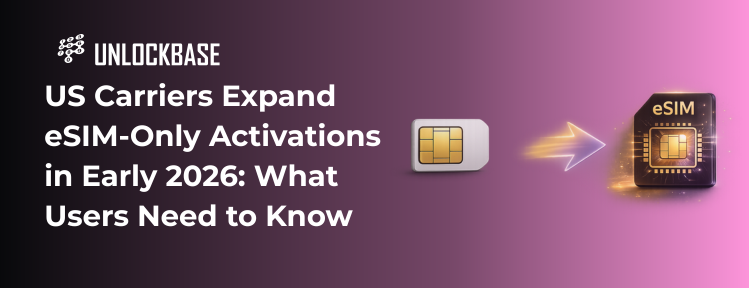
The rollout of US eSIM only plans 2026 marks one of the most meaningful mobile network shifts in recent years. While eSIM technology itself is not new, early 2026 signals a turning point in how US carriers apply it at scale. Verizon, AT&T, and T-Mobile continue reducing physical SIM support, replacing it with eSIM-first—or in some cases eSIM-only—activation models.
For users, this shift affects far more than activation convenience. It directly influences device compatibility, carrier switching, unlocking requirements, and international usability. Understanding what is changing, and why, helps users avoid friction as mobile networks evolve.
eSIM Policy Changes Gaining Momentum in 2026
US carriers began experimenting with eSIM years ago, but adoption remained uneven. Physical SIM cards continued to dominate, especially for prepaid plans and in-store activations. That balance has now shifted.
In early 2026, US eSIM only plans 2026 move from pilot programs to standard practice across many carrier offerings. This change reflects broader industry goals: faster digital onboarding, lower operational costs, and tighter control over device provisioning.
Carriers increasingly treat eSIM as the default activation path rather than an alternative. Physical SIM cards still exist, but their role continues to shrink, particularly for newer devices and online activations.
What Major US Carriers Are Changing
Each major US carrier follows the same general direction, though implementation details vary.
Reduced Physical SIM Availability
Physical SIM cards are no longer guaranteed at every point of sale. Many carrier stores now stock limited quantities, while online orders often default to eSIM without offering a physical alternative.
This trend reflects deliberate carrier SIM policy changes, not temporary shortages. Carriers encourage eSIM use because it simplifies logistics and reduces activation time.
For users, this means device readiness matters more than before. Phones without full eSIM support may face activation delays or limited plan options.
eSIM-First Activation Models
Beyond reducing SIM cards, carriers increasingly design plans around carrier eSIM activation workflows. New customer onboarding, plan changes, and device swaps often assume eSIM compatibility from the start.
Some plans—especially promotional and digital-only offers—now require eSIM activation entirely. This approach allows carriers to streamline processes but places responsibility on users to ensure their devices meet requirements.
In practical terms, eSIM only phones US are becoming the standard reference point for carrier compatibility testing.
How This Affects Consumers
The shift toward US eSIM only plans 2026 changes how users interact with their devices and networks. While benefits exist, so do new considerations.
Device Compatibility
Not all phones handle eSIM equally. While most modern smartphones support eSIM, limitations still exist based on model, region, and carrier configuration.
Compatibility issues often arise when:
- A phone supports eSIM hardware but remains carrier-locked
- Regional firmware restricts certain eSIM profiles
- Older devices support only one active eSIM
As carriers rely more heavily on eSIM-first activation, these limitations become more visible. Users who previously relied on physical SIM flexibility may encounter unexpected barriers.
Carrier Switching and Travel
Carrier switching has long been marketed as easier with eSIM. In theory, users can activate a new plan digitally within minutes. In practice, switching depends heavily on whether a device is fully unlocked.
Locked devices may still activate eSIM profiles—but only from the original carrier. This restriction undermines the portability benefits that eSIM promises.
International travel introduces similar challenges. Travelers often rely on local eSIM plans for convenience. However, carrier restrictions can block activation even when hardware supports it.
These realities make unlocking and compatibility checks more important as mobile network changes 2026 accelerate.
As carriers move toward eSIM-only activations, understanding whether your device is fully unlocked and compatible becomes increasingly important.

Preparing Devices for eSIM-Only Environments
Adapting to US eSIM only plans 2026 does not require technical expertise, but it does require awareness. Users who prepare their devices early experience fewer disruptions.
Confirm eSIM Support and Limits
Start by verifying that your phone supports eSIM and how many profiles it can store. Some devices allow multiple active profiles, while others require switching manually.
This distinction matters when juggling work lines, travel plans, or backup carriers.
Verify Lock Status Before Switching
Carrier locking remains one of the biggest obstacles in an eSIM-first world. Even when a device supports eSIM, carrier restrictions can limit activation options.
Before switching plans or traveling, users should confirm:
- Whether the device is carrier-unlocked
- Which carrier originally sold the phone
- Any remaining contractual restrictions
This step prevents activation failures later.
Think Long-Term About Flexibility
As physical SIM cards fade, long-term flexibility becomes a device attribute rather than an accessory. Phones that remain locked lose value faster and limit future options.
This consideration matters especially for users who:
- Change carriers frequently
- Travel internationally
- Plan to resell devices later
Preparing early helps preserve usability across the device’s lifespan.
Why This Shift Matters Beyond 2026
The expansion of US eSIM only plans 2026 signals a structural change, not a temporary phase. Carriers invest heavily in digital provisioning systems, and there is little incentive to reverse course.
Future implications include:
- Fewer physical SIM slots on devices
- Greater emphasis on remote provisioning
- Increased importance of unlocking for portability
Users who understand these trends make better purchasing and activation decisions.
Compliance, Transparency, and User Awareness
While eSIM simplifies many processes, it also concentrates control within carrier systems. Transparency around activation rules, lock status, and compatibility becomes essential.
Responsible unlocking and clear information help users navigate these changes without confusion. As policies evolve, users benefit from services that prioritize clarity and long-term usability rather than short-term convenience.
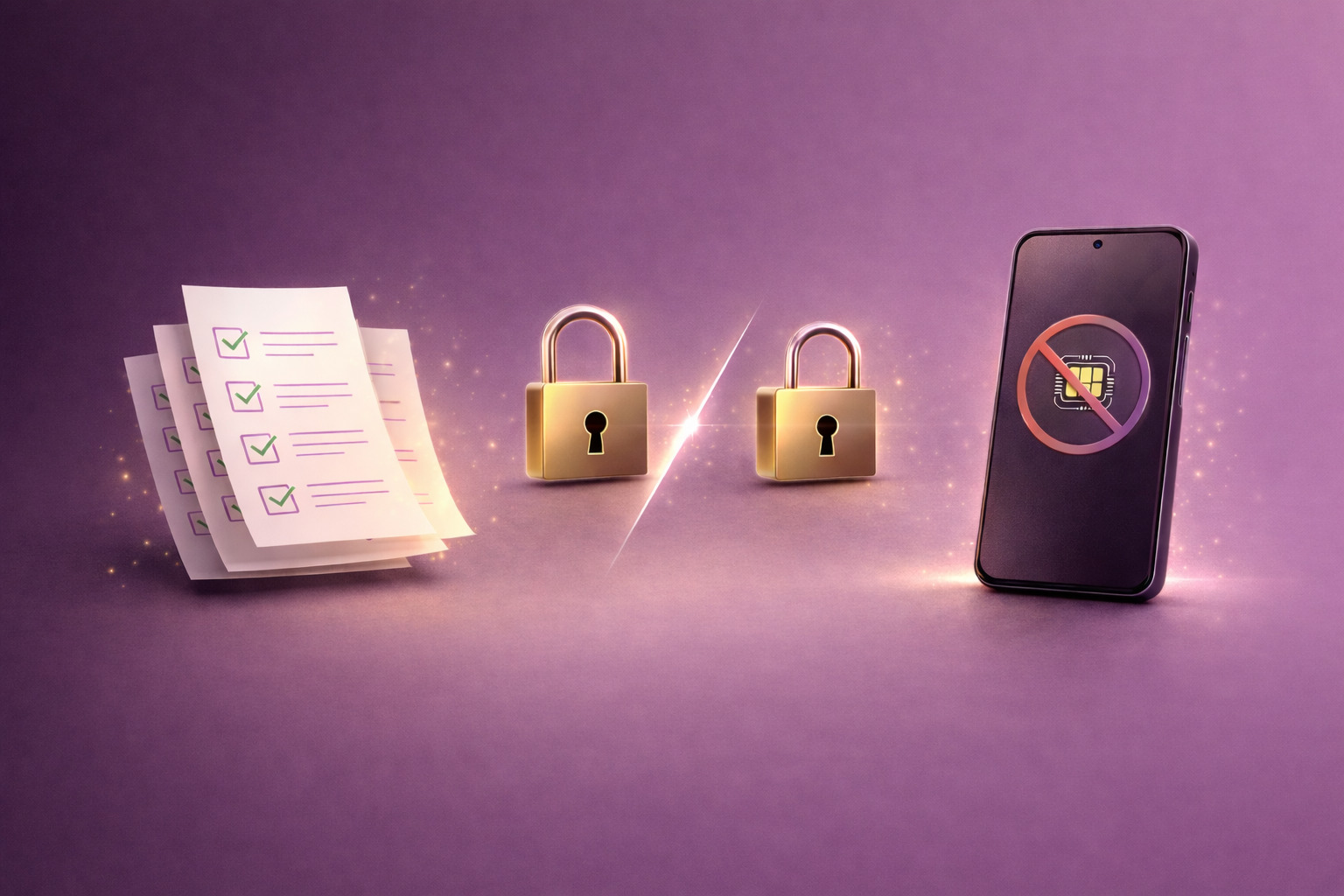
Conclusion: Navigating the eSIM-Only Shift With Confidence
The move toward US eSIM only plans 2026 reflects how mobile networks continue to evolve toward digital-first models. For carriers, this shift improves efficiency. For users, it introduces new dependencies on device compatibility and unlocking status.
By understanding carrier changes and preparing devices accordingly, users can avoid friction and maintain flexibility—even as physical SIM cards disappear.
UnlockBase.com supports users navigating carrier changes by helping devices remain compatible across evolving eSIM policies. Whether you are switching carriers, preparing for travel, or adapting to eSIM-only activations, UnlockBase provides clear guidance and trusted solutions for long-term device flexibility.
All products, and company names, logos, and service marks (collectively the "Trademarks") displayed are registered® and/or unregistered trademarks™ of their respective owners. The authors of this web site are not sponsored by or affiliated with any of the third-party trade mark or third-party registered trade mark owners, and make no representations about them, their owners, their products or services.


Comments are closed.