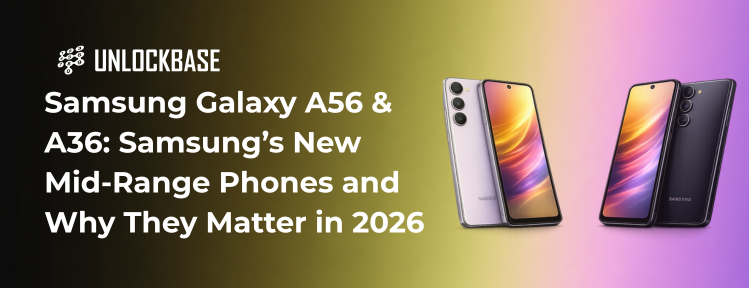
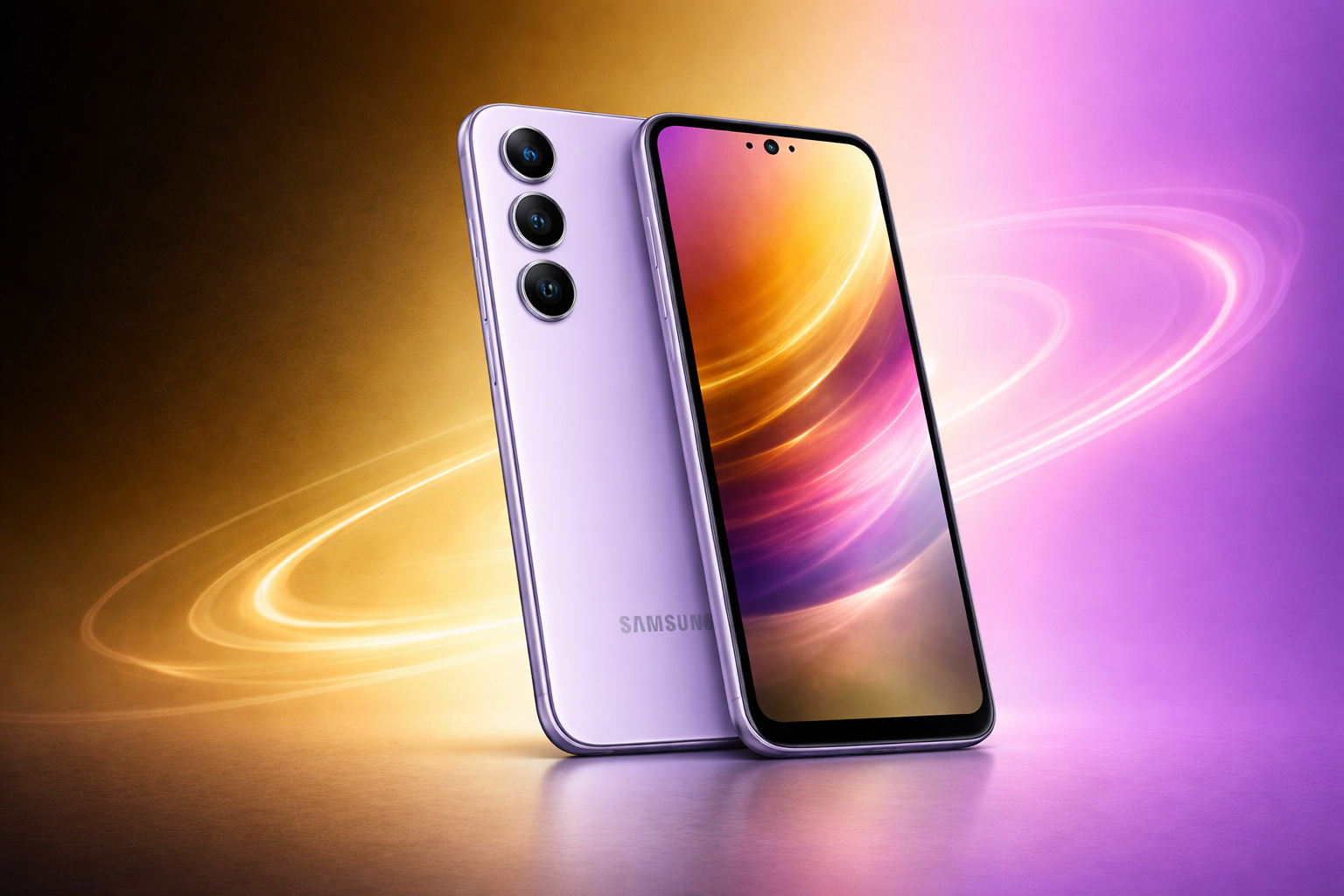
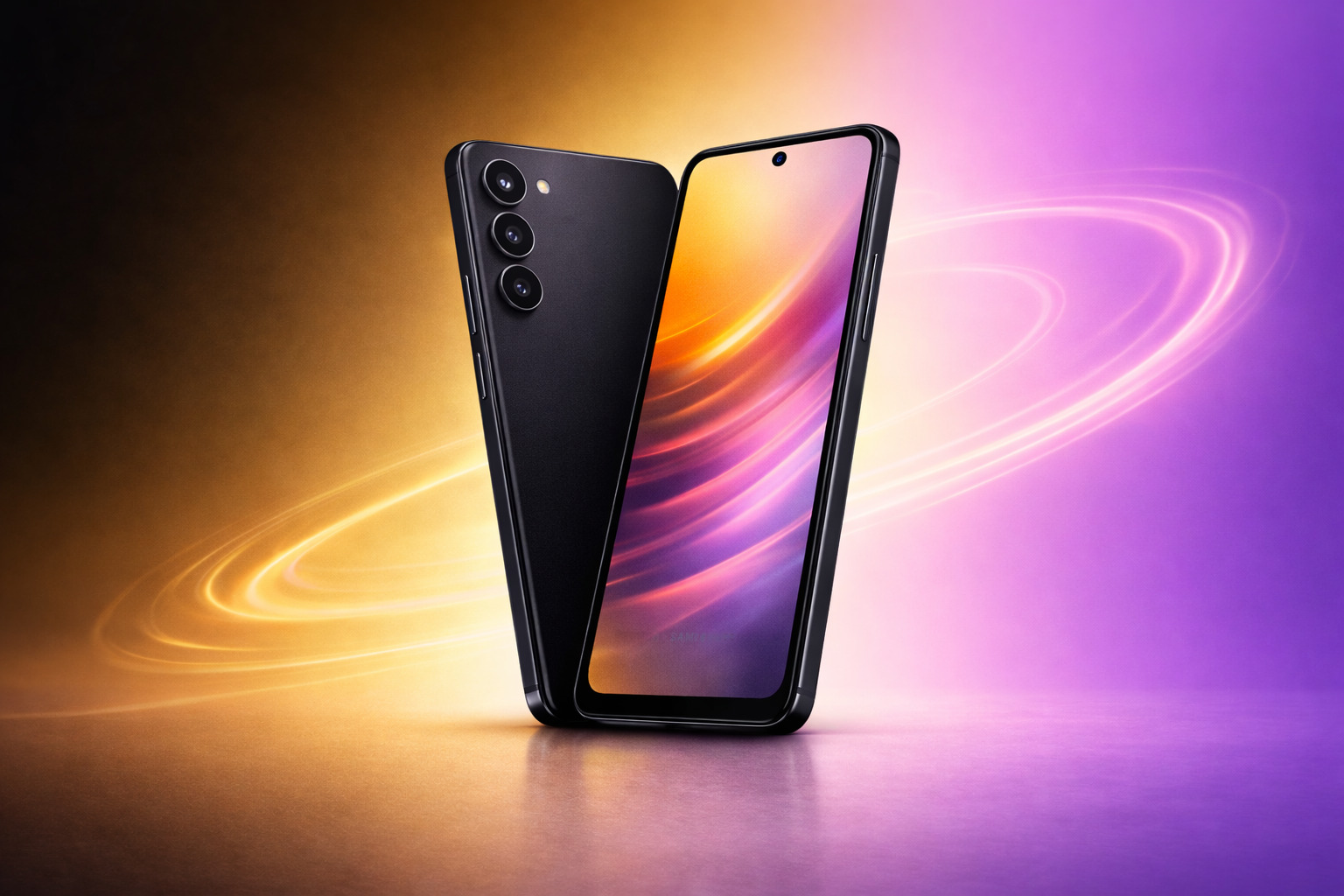
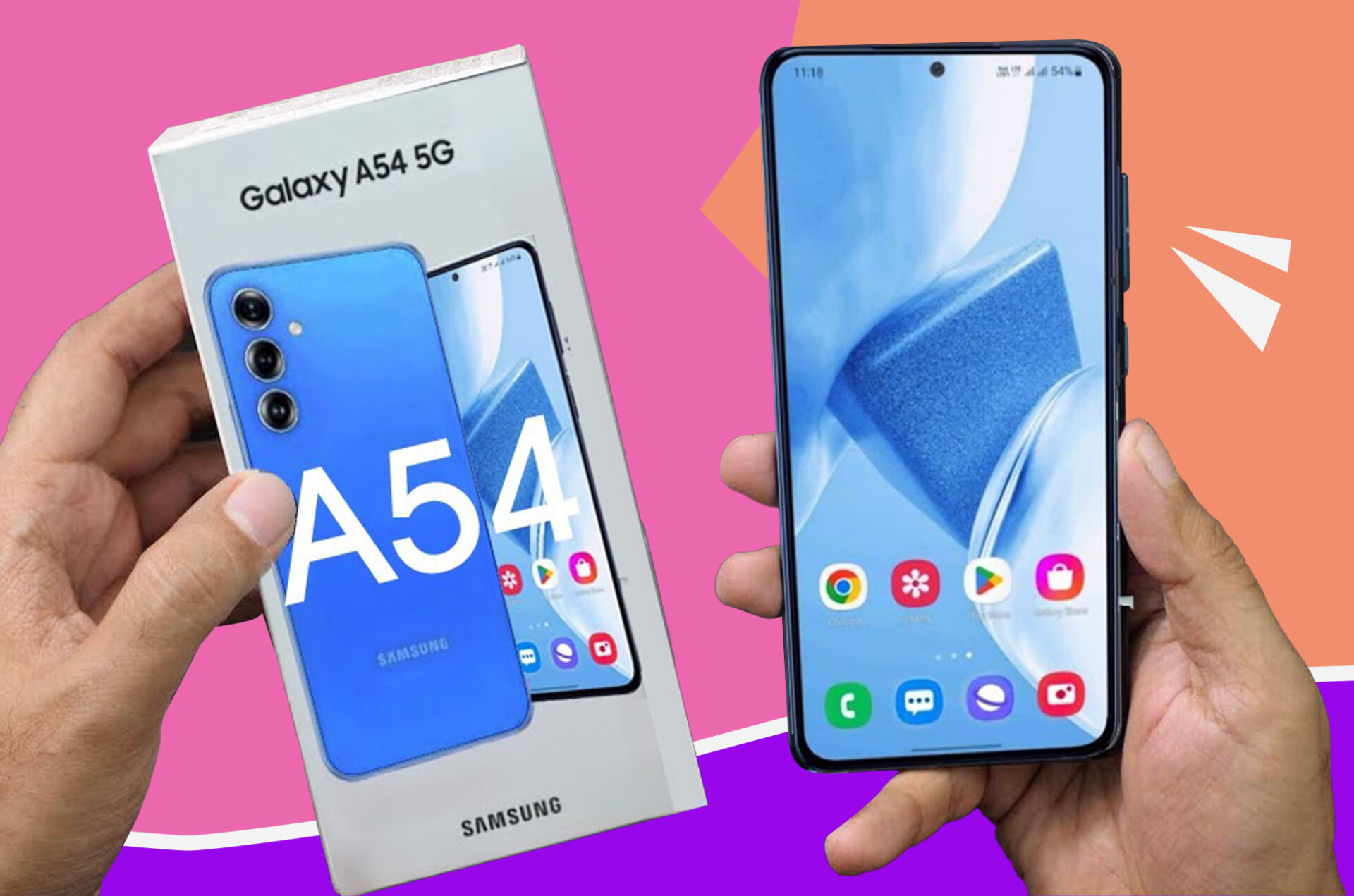
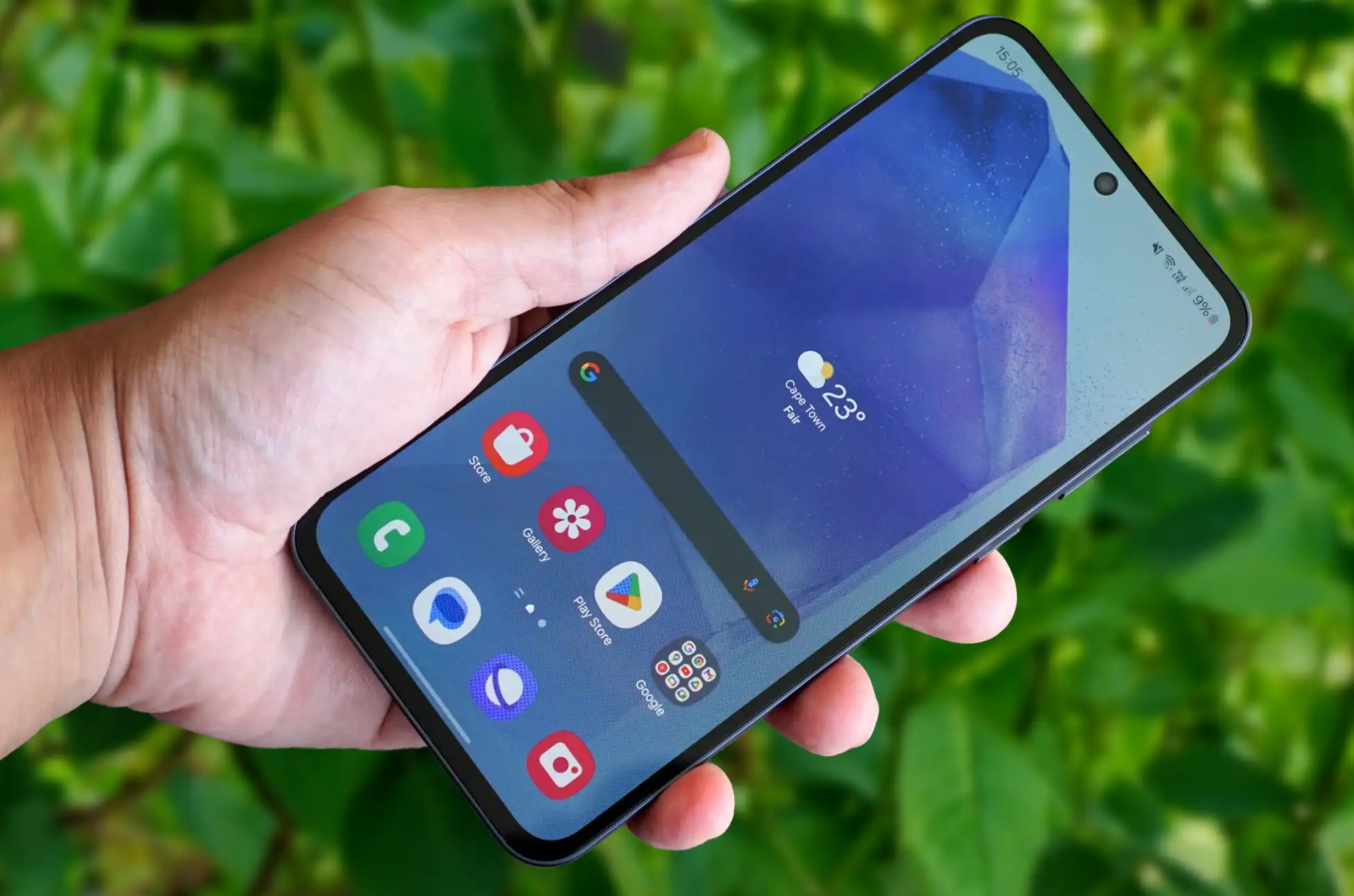
The Samsung Galaxy A56 arrives at a moment when mid-range phones matter more than flagship launches for most users. As Samsung refreshes its A-series heading into 2026, the Galaxy A56 and A36 step into a role that goes beyond specs alone: these are the phones millions of people actually buy, use daily, and keep for years.
Unlike premium models released months earlier, A-series devices often represent newer hardware for everyday users. They also come with one major caveat—heavy carrier involvement. That combination makes the Galaxy A56 and A36 especially relevant in today’s mobile market.
Samsung’s A-Series: The Phones Most People Actually Buy
Samsung’s A-series has quietly become the backbone of its global smartphone strategy. While flagship models generate headlines, mid-range phones account for the majority of Samsung’s real-world sales.
The reasons are straightforward. A-series devices balance price, performance, and longevity. They are widely available through carriers, aggressively promoted, and often bundled with contracts or installment plans.
For many users in 2026, a Samsung Galaxy A56 purchased late in Q4 or early Q1 feels newer than a flagship released months earlier. This timing makes A-series refreshes especially influential in shaping everyday mobile experiences.
What’s New in the Galaxy A56 & A36
Samsung continues its familiar strategy with the A-series: meaningful refinements rather than dramatic changes. The Galaxy A56 and A36 focus on improving what users interact with most.
Display, Build & Design Updates
Both models adopt a more refined design language that mirrors Samsung’s premium lineup. Slimmer profiles, flatter frames, and cleaner camera modules give the phones a modern look without pushing prices upward.
Display quality remains a strong point. Samsung emphasizes smooth scrolling, better brightness for outdoor use, and improved durability—features that directly impact daily comfort rather than spec-sheet comparisons.
Performance and Everyday Use
Performance upgrades in the Samsung Galaxy A56 target consistency. Instead of chasing raw power, Samsung focuses on stability, efficiency, and smoother multitasking.
For typical users, this translates into faster app launches, fewer slowdowns, and reliable performance across social media, navigation, streaming, and work apps. The A36 follows a similar philosophy, offering solid responsiveness for lighter usage.
These improvements align with how mid-range phones are actually used in 2026: as primary devices, not backups.
Battery Life and Charging
Battery life remains a priority across Samsung Galaxy A phones. Both the A56 and A36 emphasize all-day usage under mixed conditions, supported by efficiency gains rather than dramatic capacity increases.
Charging improvements focus on reliability and thermal management, ensuring safe and predictable charging behavior over long ownership periods. For users who keep devices for several years, this matters more than headline charging speeds.
Galaxy A56 vs Previous A-Series Models
When comparing Galaxy A56 vs A55, the differences appear subtle but meaningful in practice. Samsung refines the user experience rather than reinventing it.
Key improvements users are likely to notice include smoother system animations, better sustained performance, and improved camera processing consistency. The device feels more polished during everyday interactions, which is exactly what long-term users value.
For owners of older A-series models, the Galaxy A56 represents a noticeable upgrade without the cost or complexity of flagship devices.
Carrier Distribution and Regional Variants
One defining characteristic of Samsung’s mid-range phones is how they are sold. Carrier distribution plays a major role in shaping the Galaxy A56 and A36 experience.
In the United States, A-series devices are heavily tied to carriers. Many units are sold locked, bundled with plans, and customized with carrier-specific firmware. This approach increases accessibility but limits flexibility.
In Europe, devices are often sold unlocked or with lighter carrier restrictions, offering more freedom out of the box. Latin America sits somewhere in between, with both open-market and carrier-locked variants widely available.
These regional differences matter. Two phones labeled “Galaxy A56” may behave very differently depending on where and how they were purchased. Because mid-range phones are often sold with regional carrier restrictions, checking how a Galaxy A-series device is configured can prevent limitations later on.
Long-Term Ownership and Flexibility Considerations
Mid-range phones tend to stay in use longer than flagships. Many users keep A-series devices for three to five years, making flexibility an important consideration from day one.
Carrier-locked devices may work perfectly at first but introduce limitations over time. Switching carriers, traveling internationally, or reselling the phone later can become complicated if restrictions remain in place.
The Samsung Galaxy A56 and A36 are particularly relevant here. Their popularity on the secondary market means flexibility directly affects resale value. Unlocked devices typically attract more buyers and hold value better across regions.
Thinking ahead helps users avoid friction later, especially as mobile usage becomes more global and eSIM adoption grows.
Why the Galaxy A56 & A36 Matter in 2026
Samsung’s A-series refresh does not aim to impress tech enthusiasts—it aims to serve real users. The Galaxy A56 and A36 succeed by delivering dependable performance, modern design, and broad availability at accessible prices.
At the same time, these phones highlight an ongoing reality of the mobile industry: mid-range devices are more likely to be carrier-restricted than premium models. That makes awareness and preparation essential for users who value flexibility.
Conclusion: Practical Phones, Practical Decisions
The Samsung Galaxy A56 and A36 represent what mid-range smartphones should be in 2026: reliable, modern, and built for everyday use. For millions of users, these phones will define their mobile experience for years.
Understanding how these devices are sold, configured, and restricted is just as important as knowing their features. Long-term value depends not only on hardware, but also on freedom of use. UnlockBase.com helps Galaxy A-series owners worldwide unlock their devices responsibly, supporting long-term flexibility and resale value. If you own—or plan to buy—a Galaxy A56 or A36, UnlockBase is ready to assist with clear guidance and trusted solutions.
All products, and company names, logos, and service marks (collectively the "Trademarks") displayed are registered® and/or unregistered
trademarks™ of their respective owners.
The authors of this web site are not sponsored by or affiliated with any of the third-party trade mark or third-party registered trade mark owners,
and make no representations about them, their owners, their products or services.
If you want to check if phone is unlocked in 2026, you are already thinking ahead. Lock status influences how freely a device can be used, whether you plan to travel, switch carriers, activate eSIM, or sell the phone later. Despite this, many users still rely on assumptions rather than clear verification.
This guide explains practical, up-to-date ways to check whether your iPhone or Samsung Galaxy phone is locked or unlocked. The goal is clarity, not technical overload—using a balanced mix of explanation and simple steps.
Why Lock Status Matters in 2026
Carrier locking still plays a significant role in the mobile ecosystem. While phones are more advanced and globally compatible than ever, many devices remain restricted to a single network.
Lock status matters because it affects:
Carrier switching and plan flexibility
International travel and roaming
eSIM activation and secondary SIM use
Phone resale value, especially across borders
As mobile usage becomes more international, users who check if phone is unlocked avoid limitations that often appear only when it is too late to fix them.
How to Check If Phone Is Unlocked on iPhone
Apple has improved transparency around carrier locks, but results can vary depending on iOS version and device history. Using more than one method ensures accuracy.
Settings Method (iPhone)
This is the fastest and also most direct option for most users.
Open Settings
Go to General
Tap About
Scroll to Carrier Lock
You may see one of two results:
No SIM restrictions → the iPhone is unlocked
SIM locked → the iPhone is locked to a carrier
This method is reliable on modern iPhones, additionally is the simplest way to check carrier lock iPhone status.
Carrier and IMEI Check (iPhone)
If the Settings option is missing or unclear, an IMEI-based check provides confirmation.
To do this:
Dial *#06# to display the IMEI number
Contact the original carrier or use a reputable IMEI check service
An IMEI check can also reveal additional information, such as blacklist status or original carrier, which is especially useful for secondhand devices.
How to Check If Phone Is Unlocked on Samsung Galaxy Phones
Samsung Galaxy phones do not always show lock status as clearly as iPhones, but reliable checks are still available.
Network Settings Method (Samsung)
Some Galaxy models provide indirect confirmation through network settings.
Open Settings, go to Connections, and then access Mobile Networks or Network Operators. If the phone allows manual carrier selection and detects multiple networks, it is usually unlocked. However, if options are restricted, the device may still be locked.
SIM Test Method (Samsung)
The SIM test remains one of the most dependable ways to perform a Samsung phone lock check.
Follow these steps:
Power off the phone
Insert a SIM card from a different carrier
Restart the device
If the phone connects normally, it is unlocked. If it displays a network error or rejects the SIM, it is locked.
IMEI Lock Status: A Universal Method
When device settings do not give a clear answer, checking IMEI lock status works for both iPhone and Samsung phones.
An IMEI check typically confirms:
Whether the phone is carrier-locked
Which carrier the lock applies to
Whether other restrictions are present
This method is especially valuable before selling, buying, or exporting a device. Accuracy depends on using a transparent and established IMEI database provider.
What to Do If Your Phone Is Locked
Discovering that your phone is locked does not mean it cannot be unlocked. It simply means usage is limited until carrier conditions are met.
Phones are often locked due to:
Active contracts or financing plans
Carrier-specific policies
Regional regulations
Before taking further steps, it helps to identify:
The original carrier
The country of purchase
The exact phone model
This information determines which unlocking options may be available and how long the process could take. If your device turns out to be locked, the next step is understanding what unlocking options are available based on your phone model, carrier, and intended use.
Common Misunderstandings About Lock Status
Many users assume their phone is unlocked based on features that are unrelated to carrier restrictions. A factory reset does not remove a lock. Dual-SIM capability does not guarantee carrier freedom. Even eSIM support does not automatically mean the phone is unlocked.
These misunderstandings often lead users to believe, that their device is more flexible than it actually is. The safest approach is always to check if phone is unlocked using reliable methods rather than assumptions.
When You Should Always Check Lock Status
Certain situations make lock status especially important:
Before traveling internationally
Before switching carriers
Before selling or gifting a phone
Before activating an eSIM plan
In 2026, checking lock status early helps avoid delays, compatibility issues, and unexpected restrictions.
Conclusion: Take Control of Your Device in 2026
Knowing how to check an lock-status of your phone gives you control over how your device fits into your plans. With simple checks on iPhone and Samsung devices—and IMEI verification when needed—you can confirm lock status with confidence.
Whether your goal is travel, resale, or network flexibility, lock status remains a key part of smart phone ownership. For users seeking a legitimate and professional way to unlock their devices, UnlockBase.com offers trusted solutions designed to support compatibility, travel, and long-term flexibility. If your phone is locked and you want clear guidance on next steps, UnlockBase is ready to help.
All products, and company names, logos, and service marks (collectively the "Trademarks") displayed are registered® and/or unregistered
trademarks™ of their respective owners.
The authors of this web site are not sponsored by or affiliated with any of the third-party trade mark or third-party registered trade mark owners,
and make no representations about them, their owners, their products or services.
In 2026, the global secondhand smartphone economy continues to grow, and one factor consistently shapes buyer behavior: unlocked phone resale value. As cross-border sales, international marketplaces, and device longevity become more important, unlocked phones outperform locked devices in both speed of sale and final price.
For sellers, understanding how unlocking affects resale is no longer optional. It directly influences buyer reach, demand, and long-term device value—especially in a globalized phone resale market 2026.
The 2026 Secondary Phone Market
The secondary mobile market has matured into a structured, global ecosystem. Buyers no longer come only from local listings or carrier-specific resale programs. Instead, platforms now connect sellers and buyers across continents.
Several trends define the market in 2026:
Longer smartphone ownership cycles
Higher demand for refurbished and used devices
Increased international trade of secondhand phones
Strong price sensitivity combined with compatibility expectations
According to industry analysts and resale platforms, buyers increasingly prioritize flexibility. That shift places unlocked devices at a clear advantage, as they remove uncertainty around carrier restrictions.
As a result, unlocked phone resale value has become a key metric for both individual sellers and professional refurbishers.
Locked vs Unlocked: Buyer Preferences
When comparing locked vs unlocked phones, buyer behavior is consistent across regions. Most buyers actively avoid locked devices unless the price discount is significant.
Unlocked phones appeal to buyers because they:
Work with multiple carriers
Support international SIM or eSIM use
Reduce setup friction after purchase
Retain value longer
Locked phones, by contrast, introduce questions buyers prefer not to answer. Will the device work locally? Can it be unlocked later? Are there restrictions tied to the original carrier?
In global resale environments, uncertainty lowers demand. That is why unlocked devices consistently sell faster and at higher prices.
Case Study: Cross-Border Resale Scenarios
Real-world resale scenarios highlight why unlocked phone resale value matters so much in 2026.
North America → Europe
A phone originally sold by a US carrier may function perfectly in Europe—if it is unlocked. European buyers often look for US-market devices due to availability or pricing, but only when compatibility is guaranteed.
Unlocked devices allow buyers to:
Insert local SIM cards immediately
Use regional carriers without limitations
Avoid delays or additional unlocking steps
Locked phones, even when technically compatible, face resistance. Many buyers skip such listings entirely, reducing seller visibility and final sale price.
Asia & Emerging Markets
In Asia and emerging markets, demand for premium secondhand phones remains strong. Buyers often import devices from North America and Europe, where flagship models enter the resale market earlier.
In these regions:
Carrier-locked phones hold limited appeal
Network diversity makes flexibility essential
Buyers favor devices that support multiple bands and carriers
Unlocked phones meet these requirements directly. As a result, sellers who sell phone internationally almost always achieve better outcomes with unlocked devices.
Before selling a device internationally or listing it on a global marketplace, it’s worth checking whether it’s unlocked—as this often directly affects buyer interest and final resale price.
Why Buyers Pay More for Unlocked Devices
The price difference between locked and unlocked phones reflects risk management. Buyers pay more for certainty.
In the phone resale market 2026, buyers treat unlocked status as a quality signal. It suggests transparency, proper ownership, and freedom from hidden limitations.
Faster Sales, Lower Friction
Unlocked phones also sell faster. Listings often receive more inquiries and complete transactions sooner because buyers feel confident completing the purchase.
For sellers, faster sales mean:
Less time managing listings
Reduced price negotiations
Lower likelihood of returns or disputes
Speed and value often go hand in hand in the secondary mobile market.
Long-Term Value Retention
Unlocked devices retain value over time. Even as models age, their flexibility keeps them relevant in markets with different carrier structures.
This dynamic reinforces the long-term benefits of unlocking—not only at resale time, but throughout the device lifecycle.
Practical Steps to Maximize Resale Value
Sellers aiming to improve unlocked phone resale value can take a few practical steps before listing a device.
1. Verify Lock Status
Before creating a listing, confirm whether the phone is unlocked. This information should appear clearly in the description.
Unlocked devices naturally attract a wider audience in these environments.
Compliance, Transparency, and Trust
Legitimate unlocking supports transparency and compliance when performed correctly. Buyers expect sellers to disclose accurate device status, and marketplaces increasingly enforce these standards.
Clear communication around unlocking status builds trust and protects both parties. In 2026, trust remains a cornerstone of successful resale transactions.
Conclusion: Unlocking as a Value Strategy in 2026
The global resale landscape makes one point clear: unlocked phone resale value continues to outperform locked alternatives in 2026. Flexibility, compatibility, and buyer confidence drive higher prices and faster sales across international markets.
As the secondary mobile market grows more competitive, sellers who prepare devices properly gain a measurable advantage. Unlocking is no longer just a technical step—it is a value strategy.
For sellers looking to increase reach, flexibility, and resale value, UnlockBase.com provides reliable unlocking services trusted by users across global secondary markets. Unlocking today helps protect your device’s value tomorrow.
All products, and company names, logos, and service marks (collectively the "Trademarks") displayed are registered® and/or unregistered
trademarks™ of their respective owners.
The authors of this web site are not sponsored by or affiliated with any of the third-party trade mark or third-party registered trade mark owners,
and make no representations about them, their owners, their products or services.
The Samsung Galaxy S26 series marks one of the first major smartphone launches of 2026, setting the tone for what users can expect from flagship devices this year. As many users reassess their tech needs after the holiday season, Samsung’s newest lineup arrives at a moment when long-term performance, flexibility, and global usability matter more than ever.
Building on the success of its predecessor, Samsung positions the Galaxy S26 series as a refined, future-ready evolution rather than a radical reinvention. For users considering an upgrade early in 2026, this launch carries important implications—not only for features, but also for longevity and device freedom.
A New Year, A New Samsung Flagship
Samsung has traditionally used early-year flagship launches to signal its priorities for the months ahead, and the Samsung Galaxy S26 series continues that trend.
Rather than focusing on flashy changes alone, Samsung appears to emphasize polish, consistency, and practical improvements. This approach reflects a market where users hold onto devices longer and expect premium phones to remain relevant across multiple years, regions, and networks.
For those starting 2026 with fresh device plans—whether upgrading, traveling, or reselling later—the Galaxy S26 lineup enters the market with high expectations already attached.
What’s New in the Galaxy S26 Series
Refined Design & Display for 2026
Samsung’s design language for 2026 leans toward subtle refinement. Early reports suggest that the Galaxy S26 models feature slimmer profiles, improved materials, and more durable finishes.
Display improvements remain a core strength across the lineup:
Brighter AMOLED panels with enhanced outdoor visibility
Smoother adaptive refresh rates for everyday use
Reduced bezels for a more immersive viewing experience
These changes may not feel dramatic at first glance, but they contribute to better usability over long ownership periods.
Performance, AI & Next-Gen Chipset
Performance upgrades in the Samsung Galaxy S26 series focus on efficiency as much as raw power. Samsung’s latest chipset—paired with expanded on-device AI processing—aims to deliver faster everyday tasks while reducing battery drain.
Key improvements users are likely to notice include:
Smarter AI-assisted multitasking
Faster app launches and background processing
Improved thermal management during intensive use
This generation reflects Samsung’s broader strategy for 2026: make AI useful in daily interactions, not just a marketing label.
Camera Upgrades for Everyday and Travel Use
The Galaxy S26 Ultra features headline Samsung’s camera advancements this year. Rather than chasing extreme specs, Samsung focuses on consistency across lighting conditions.
Expected camera refinements include:
Enhanced low-light photography
Faster shutter response for moving subjects
Improved stabilization for video and travel footage
These upgrades appeal to users who rely on their phone as a primary camera, especially those who travel or document daily life on the go.
Battery Life, Charging & Connectivity
Battery performance remains a critical factor for flagship buyers in 2026. The Samsung Galaxy S26 series benefits from efficiency gains rather than major capacity jumps.
Users can expect:
Longer screen-on time under mixed usage
Faster wired and wireless charging optimization
Improved 5G and global band support
Connectivity enhancements also reflect Samsung’s global user base, ensuring better compatibility across regions.
Galaxy S26 vs Galaxy S25: Year-Over-Year Improvements
When comparing Galaxy S26 vs S25, the differences may appear incremental on paper, but they translate into noticeable daily improvements.
Practical upgrades include:
More responsive AI features
Better sustained performance under load
Camera consistency rather than isolated spec boosts
Improved long-term software optimization
For Galaxy S25 owners, the decision to upgrade depends on priorities. For users coming from older models, the S26 represents a more substantial leap forward.
How the Galaxy S26 Fits Into Samsung’s 2026 Lineup
The Samsung Galaxy 2026 ecosystem revolves around integration. The S26 series sits at the center, connecting seamlessly with Samsung tablets, wearables, and smart services.
Early market expectations position the S26 lineup as:
A premium option for long-term Android users
A reliable flagship for international use
A strong candidate for resale value retention
Samsung’s approach suggests confidence in extended device lifespans rather than rapid replacement cycles.
Before committing to any new flagship, it’s worth confirming your device’s carrier status and global compatibility. Checking lock status early helps ensure flexibility if you plan to travel, switch networks, or resell later.
Long-Term Ownership & Global Usability Considerations
The Samsung Galaxy S26 series is designed with longevity in mind, but ownership experience depends on more than hardware alone.
International Use
Samsung continues to prioritize wide band support across its flagship devices. This makes the S26 series suitable for frequent travelers and users who move between regions.
However, carrier restrictions can still affect usability if a device remains locked to a specific network.
Resale Outlook
Unlocked flagship phones generally retain higher resale value. Buyers on the secondary market prefer devices that work across multiple carriers and countries.
As the new Samsung flagship phone of 2026, the S26 series is likely to perform well in resale markets—especially if maintained in good condition and kept carrier-unlocked.
Flexibility Over Time
Long-term flexibility includes:
Ability to switch carriers
Compatibility with international SIM cards
Freedom to sell or gift the device later
Understanding these factors early helps users make smarter purchase decisions that extend beyond launch excitement.
Starting 2026 With the Right Device Choices
The Samsung Galaxy S26 series opens 2026 with a clear message: refinement, efficiency, and long-term usability matter more than ever. Samsung’s latest flagship lineup focuses on real-world improvements that support users across years—not just months.
For buyers considering a new device early in 2026, the Galaxy S26 offers strong performance, thoughtful upgrades, and a place within Samsung’s broader ecosystem. Yet true value also depends on flexibility—how well the device adapts to future needs, travel plans, and ownership changes.
While the Samsung Galaxy S26 series is not yet officially available, questions around compatibility, carrier locking, and long-term usability already matter. The UnlockBase team is ready to answer those questions and, once devices are in users’ hands, to assist with checking lock status, compatibility, and future unlocking options. Don’t hesitate to contact UnlockBase.com for transparent guidance and trusted support—before and after your next Samsung upgrade.
All products, and company names, logos, and service marks (collectively the "Trademarks") displayed are registered® and/or unregistered
trademarks™ of their respective owners.
The authors of this web site are not sponsored by or affiliated with any of the third-party trade mark or third-party registered trade mark owners,
and make no representations about them, their owners, their products or services.
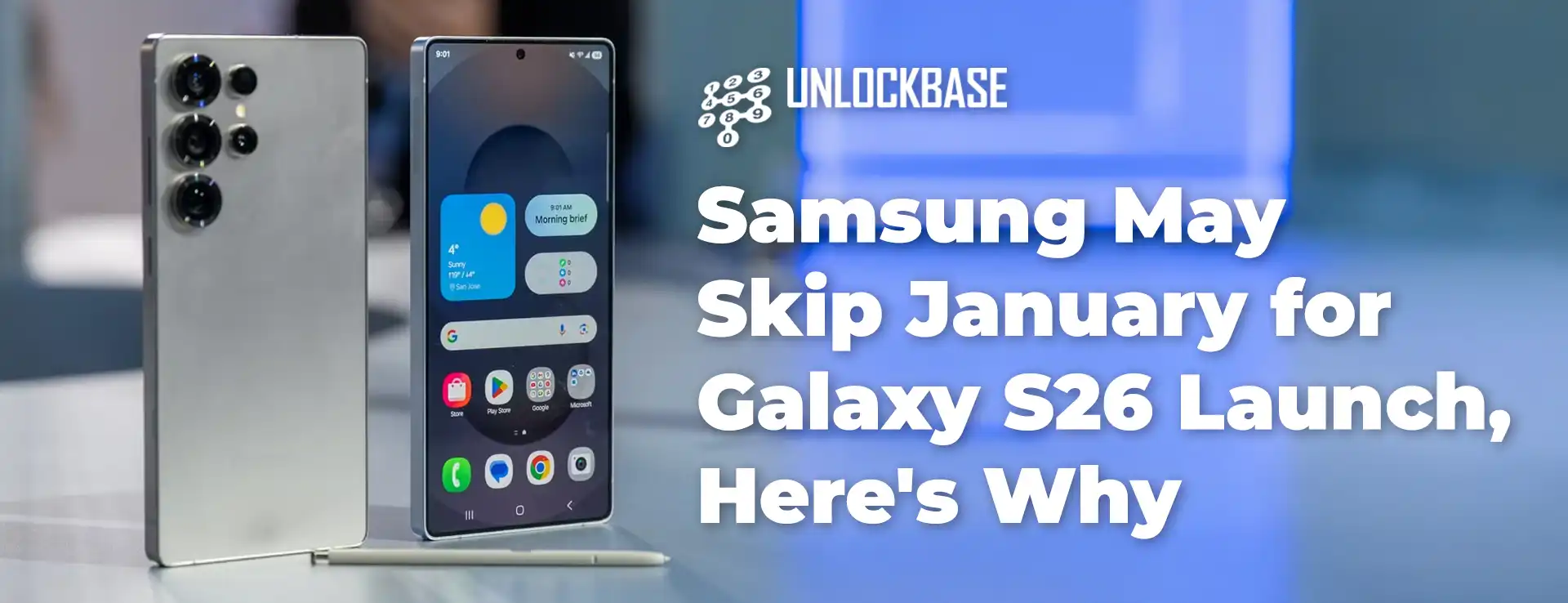
The Galaxy S26 release date has become one of the most confusing topics in the smartphone world right now. While everyone’s watching for Samsung’s next flagship lineup debut, the launch timeline keeps shifting—and it looks like we might be waiting longer than anticipated.
Galaxy S26 release date : A Launch Date Caught in Limbo
Here’s where things get messy. Early whispers pointed to a February 25, 2026 announcement, which made sense given Samsung’s reported last-minute pivot away from a planned name change. That seemed reasonable enough at the time.
But then another leak threw cold water on that theory. This second report claimed Samsung would reveal the Galaxy S26, S26 Plus, and S26 Ultra in late January, with phones hitting store shelves by mid-February. Standard operating procedure for Samsung, right?
Not so fast. A fresh report from South Korean outlet Yonhap News Agency now suggests we’re back to a February launch. According to their sources, Samsung is planning to hold its Unpacked event in San Jose, California sometime that month. While they don’t pin down an exact date, both the location and timeframe match that initial February 25 leak.
The Chip Situation: Different Processors for Different Markets
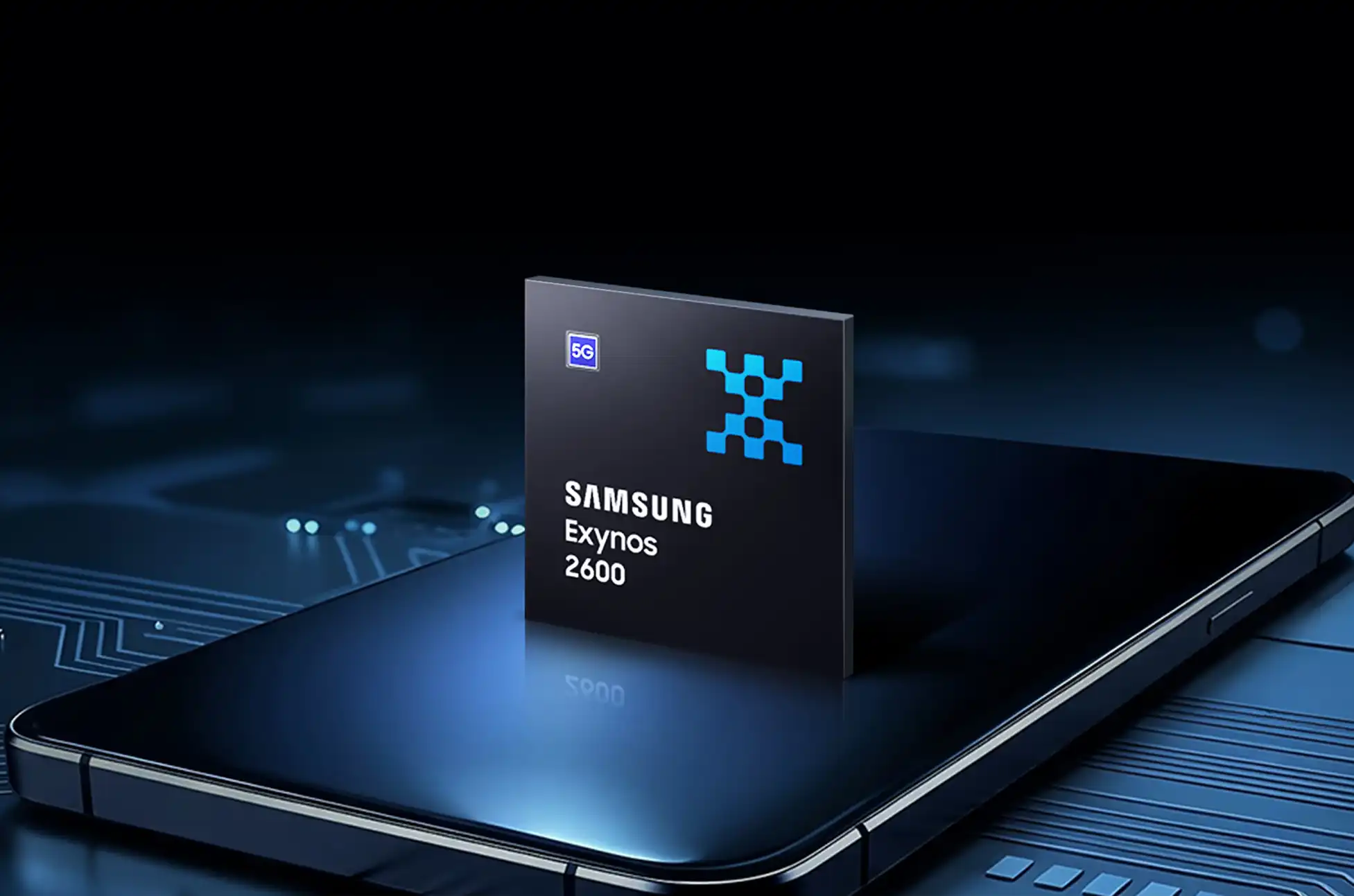
Much of Yonhap’s coverage focuses on Samsung’s newly announced Exynos 2600 chipset. This processor is expected to power the standard Galaxy S26 and S26 Plus in certain regions, while the premium S26 Ultra will reportedly run Qualcomm’s Snapdragon 8 Elite Gen 5 globally—according to reliable leaker SammyGuru.
Samsung’s 2nm Breakthrough
Samsung is making bold claims about this new Exynos chip, which uses cutting-edge 2-nanometer manufacturing technology. The company says it will dramatically enhance on-device AI capabilities, particularly for image editing tasks.
The performance numbers are impressive on paper: Samsung is advertising a 113% boost in generative AI performance compared to the Exynos 2500, thanks to an upgraded Neural Processing Unit. CPU performance is also getting a healthy 39% bump.
What the Galaxy S26 Release Date Means for Buyers
If the February 25 date holds true, here’s what potential buyers should expect: Samsung typically runs a two-week pre-order window after announcement. That would push actual availability into the second week of March—a notable delay from the usual January-to-February turnaround.
The shifted Galaxy S26 release date would mark the first time since the Galaxy S23 in February 2023 that Samsung misses its traditional January reveal window.
Why Samsung Might Be Delaying the Launch
What’s causing the holdup remains officially unclear, though that rumored rebranding saga may have thrown a wrench in the timeline. Reports suggested Samsung considered changing the naming convention for its flagship series before ultimately deciding to stick with the S26 branding.
One subsequent report suggested Samsung had smoothed over those issues and was back on track for January. This latest news from Yonhap challenges that optimistic assessment, leaving the actual Galaxy S26 release date still up in the air.
Galaxy S26 release date : The Bottom Line
With conflicting reports flying around, we’re still in the dark about Samsung’s actual plans. Hopefully, official confirmation arrives soon—especially considering 2026 could prove challenging for smartphone manufacturers navigating an increasingly competitive market.
For now, anyone eager to get their hands on Samsung’s next flagship should prepare for a potentially longer wait than usual. The Galaxy S26 release date may not be finalized yet, but all signs point to February rather than the traditional January timeframe.
All products, and company names, logos, and service marks (collectively the "Trademarks") displayed are registered® and/or unregistered
trademarks™ of their respective owners.
The authors of this web site are not sponsored by or affiliated with any of the third-party trade mark or third-party registered trade mark owners,
and make no representations about them, their owners, their products or services.
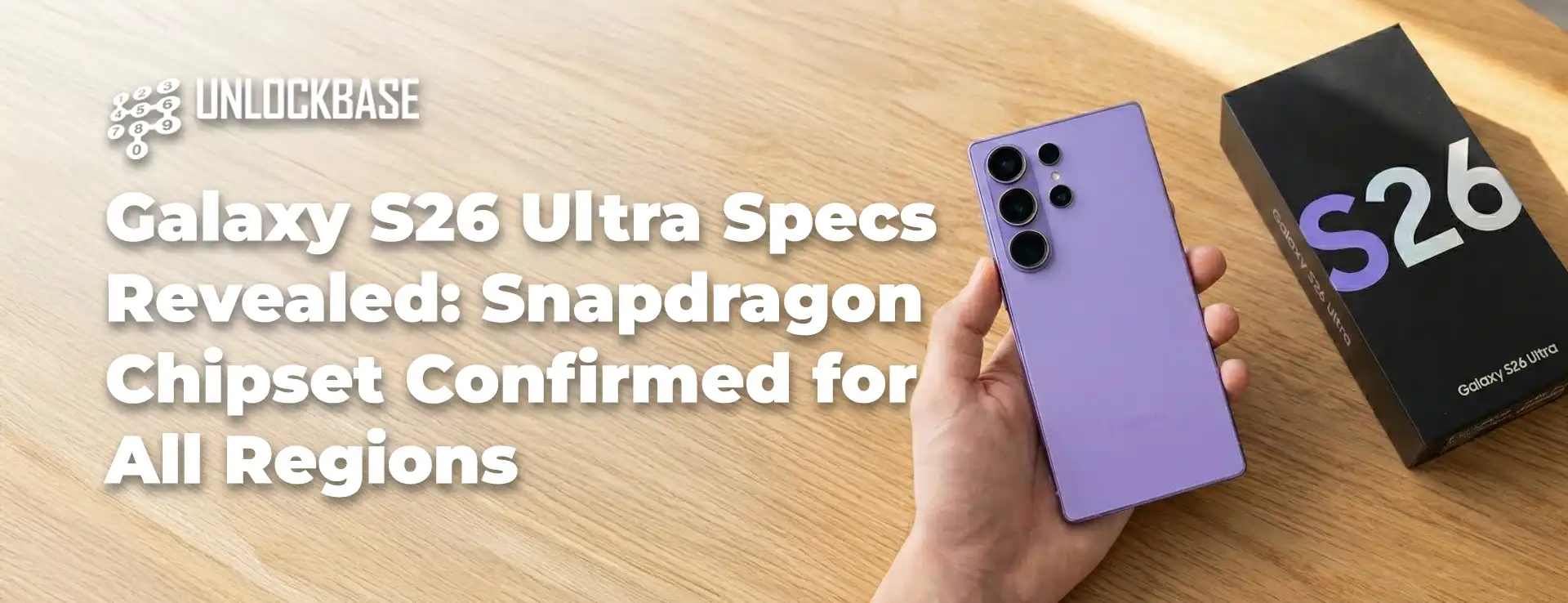
New certification documents confirm the Galaxy S26 Ultra specs include Snapdragon power worldwide no regional chip lottery this time.
Samsung’s Galaxy S26 lineup is expected to arrive sometime in early 2026, though the exact date is still anyone’s guess. Recent rumors suggested Samsung might be making last-minute changes to its plans (or backing out of those changes), which could push the launch back. The bigger question mark? Which processor would actually power these phones?
For months, leakers have been going back and forth about whether Samsung would use its own Exynos chips in certain markets while reserving Snapdragon processors for others—a strategy that’s frustrated customers in the past. The launch timing might still be up in the air, but fresh certification paperwork appears to settle the chipset debate once and for all.
FCC Documents Reveal Galaxy S26 Ultra Specs
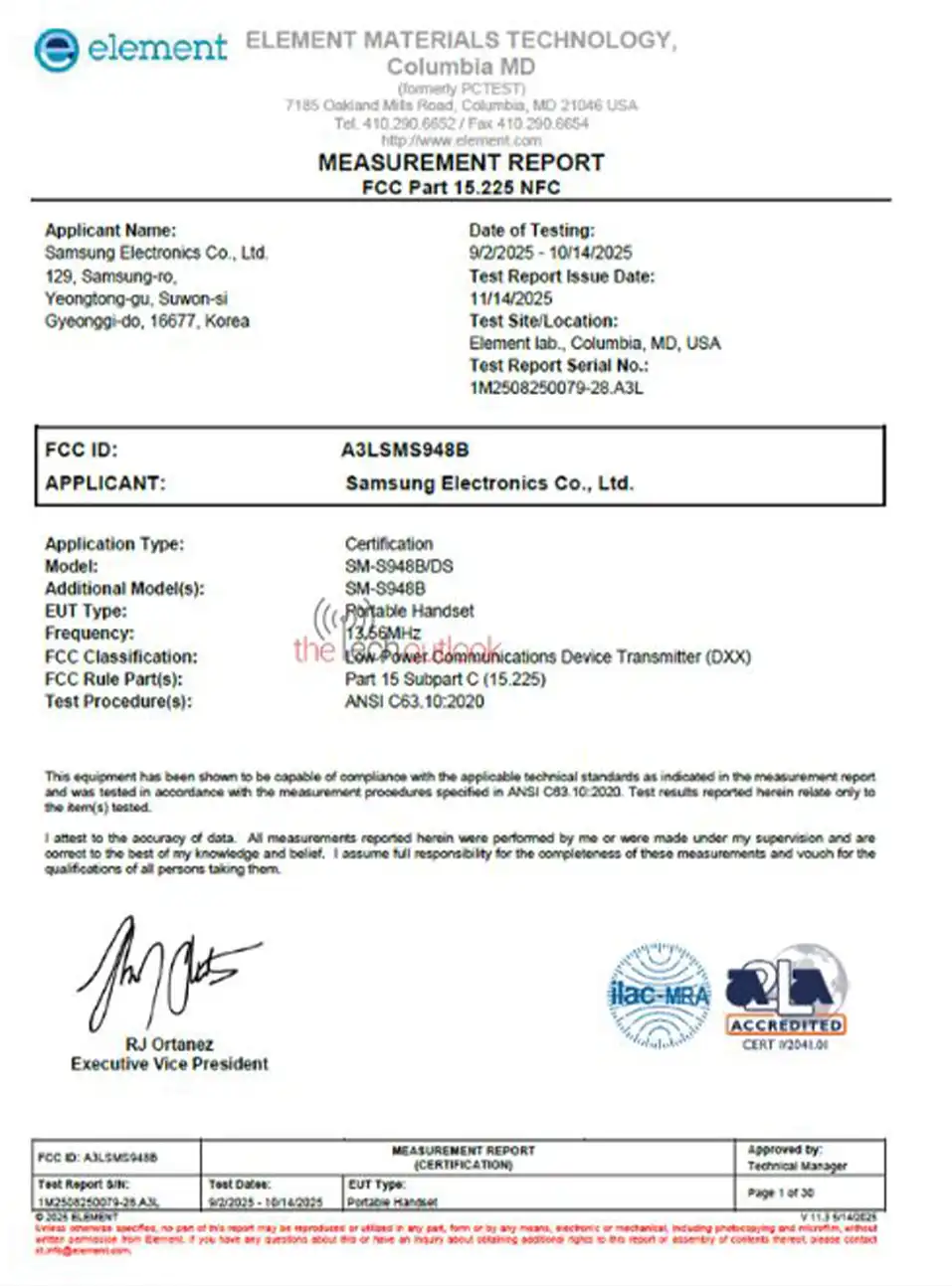
The Galaxy S26 Ultra recently passed through the FCC (Federal Communications Commission) for certification ahead of its official debut. According to documents spotted by The Tech Outlook, several variants showed up carrying model numbers SM-S948B, SM-S948B/DS, SM-S948U, and SM-S948U1. The “U” designation typically indicates US models, while “B” refers to international versions sold everywhere else.
Quick note: The FCC paperwork doesn’t explicitly label this device as the Galaxy S26 Ultra, but we’re connecting the dots here. Last year’s Galaxy S25 Ultra used the model number SM-S938B/U, making this a pretty safe bet.
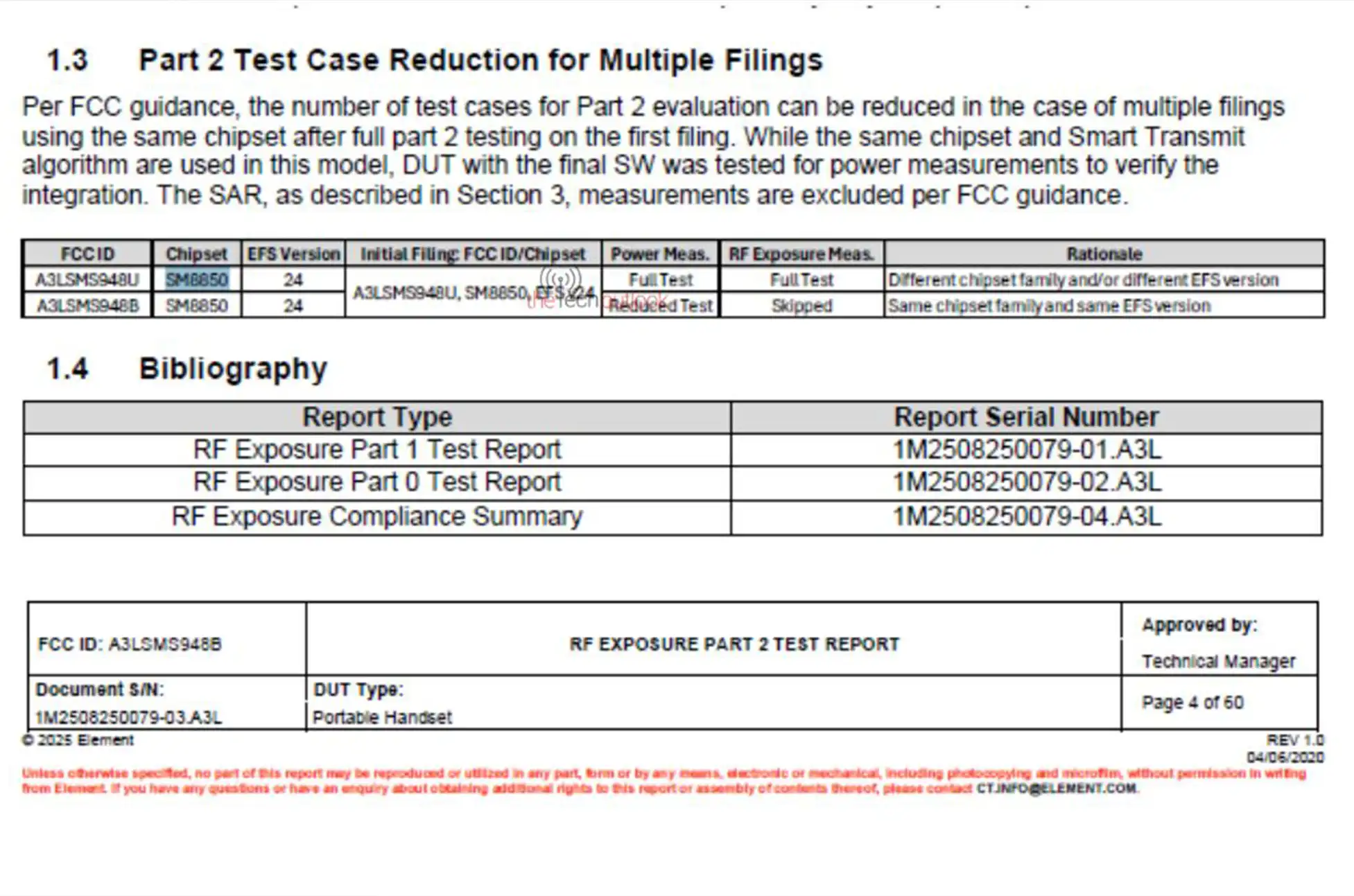
Here’s the interesting part every single variant lists the same chipset regardless of region. The documents identify it as SM8850, which is the internal code for Qualcomm’s Snapdragon 8 Elite Gen 5. This confirms that both US buyers and international customers will get the same Snapdragon-powered experience. No more chip envy based on your zip code.
Galaxy S26 Ultra Specs: Not Your Standard Snapdragon
There’s a twist, though. This probably isn’t just the regular Snapdragon 8 Elite Gen 5 you’ll find in other flagship phones. Samsung has a history of working with Qualcomm to create special “For Galaxy” editions with higher clock speeds and tweaked performance profiles. Expect this trend to continue with the S26 Ultra.
The FCC filing also mentions support for Qualcomm’s Smart Transmit Plus technology, which boosts uplink speeds. This feature only works with Qualcomm’s X85 modem the exact modem that comes with the Snapdragon 8 Elite Gen 5. It’s additional confirmation that Samsung is going all-in on Qualcomm silicon this year.
Confirmed Connectivity Specifications
Beyond the processor, the certification reveals key Galaxy S26 Ultra specs for connectivity:
Triple-band Wi-Fi 7 – Next-generation wireless speeds with support for the 2.4GHz, 5GHz, and 6GHz bands for maximum performance and reduced congestion.
5G connectivity – Full support for the latest 5G networks with Qualcomm’s X85 modem handling both sub-6GHz and mmWave bands.
NFC – Near-field communication for contactless payments and quick device pairing.
Ultra-wideband (UWB) – Precise location tracking technology for features like Samsung’s SmartTag trackers and digital car keys.
Why This Matters
For Samsung fans who’ve watched the company split its chip strategy between regions in previous years, these Galaxy S26 Ultra specs are welcome news. Everyone gets the same premium hardware experience, regardless of where they live. The Snapdragon 8 Elite Gen 5 should deliver serious performance gains, especially if Samsung adds its custom tuning on top.
While we’re still waiting on an official announcement with pricing and availability details, at least one major question has been answered. The Galaxy S26 Ultra will bring flagship-level performance to every market—no compromises, no regional variations.
All products, and company names, logos, and service marks (collectively the "Trademarks") displayed are registered® and/or unregistered
trademarks™ of their respective owners.
The authors of this web site are not sponsored by or affiliated with any of the third-party trade mark or third-party registered trade mark owners,
and make no representations about them, their owners, their products or services.
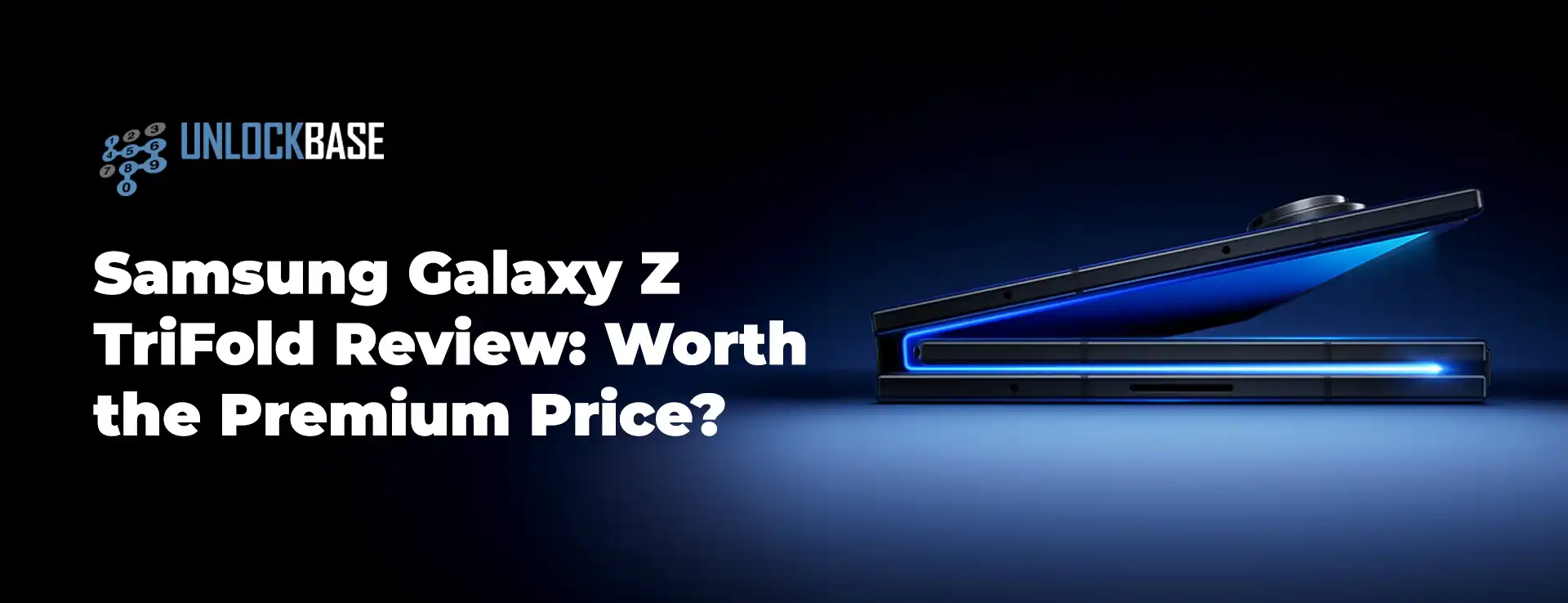
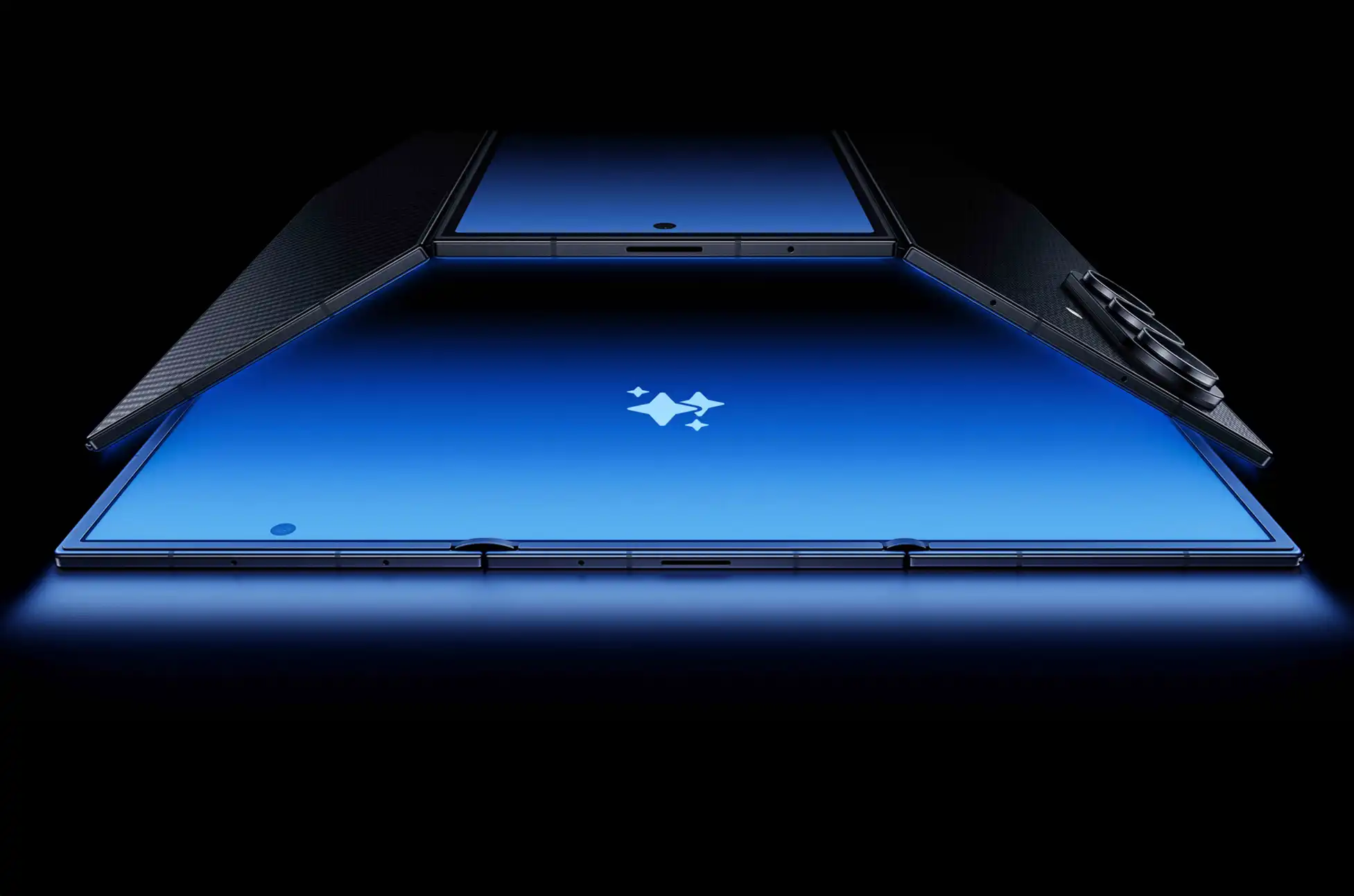
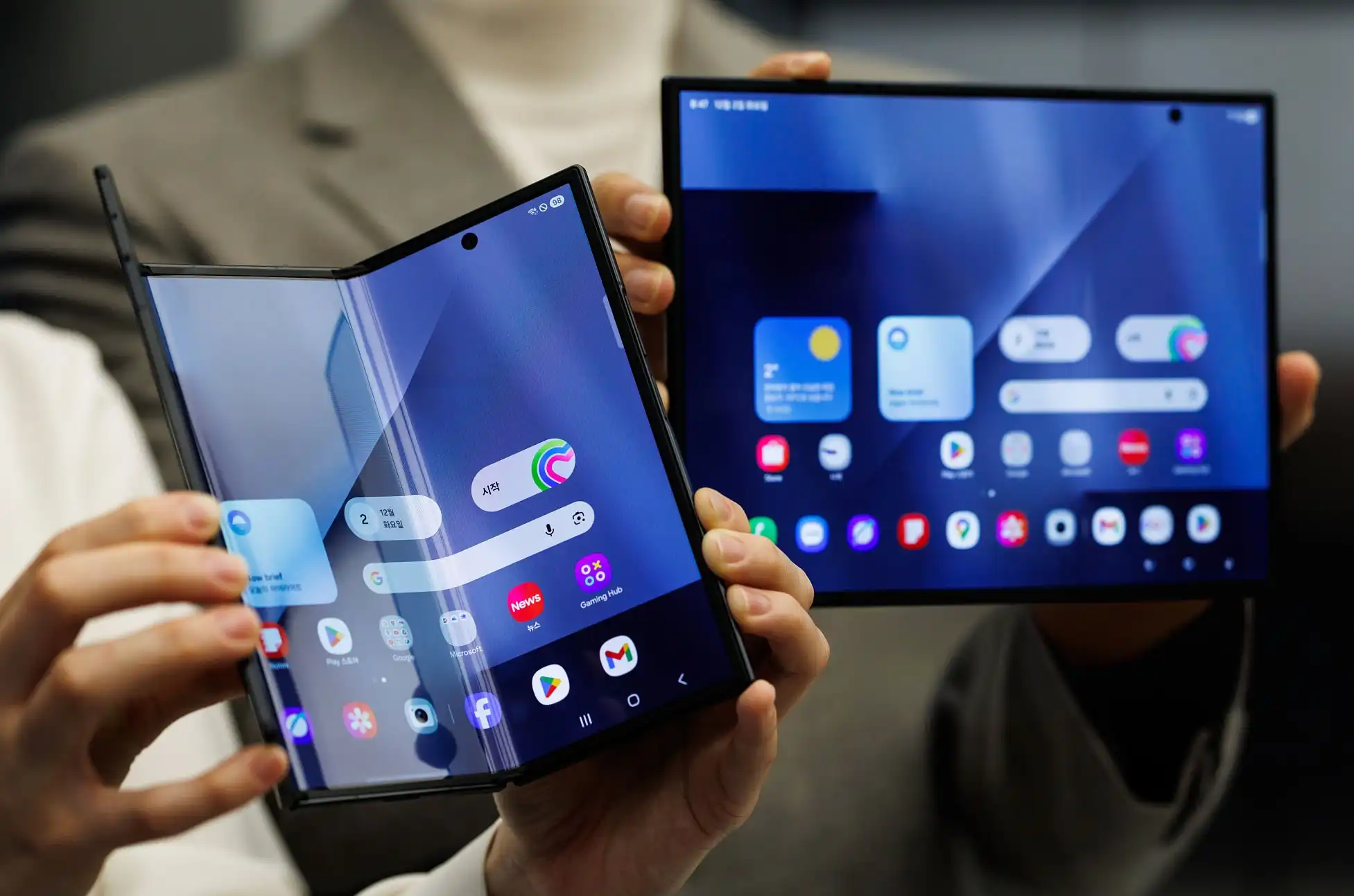
The Samsung Galaxy Z TriFold represents a significant leap forward in foldable technology, addressing many of the shortcomings that have plagued previous foldable devices. Unlike traditional book-style foldables that often feel like compromises, this trifold device delivers genuine utility that justifies its premium positioning.
While the Samsung Galaxy Z TriFold won’t appeal to mainstream consumers due to its prohibitive cost, it stands as the perfect solution for a specific subset of users who demand maximum versatility from their mobile devices.
What Makes the Samsung Galaxy Z TriFold Different
The device distinguishes itself through practical applications rather than gimmicky features. Samsung’s announcement showcased concrete use cases that demonstrate why someone would invest in this technology—something the foldable phone market has desperately needed.
Entertainment and productivity capabilities lead the charge. The device enables a complete YouTube experience where users can watch videos while simultaneously scrolling through comments and browsing recommendations without interrupting playback. The widescreen format surpasses traditional book-style foldables for consuming TV shows and movies.
Gaming performance will be particularly interesting to observe, especially regarding potential desktop game ports and how they translate to the mobile form factor.
Productivity Features That Actually Matter
The 10-inch internal display delivers a genuine tablet experience. For devices in this price range, replacing existing tech becomes a necessity rather than a luxury. The Snapdragon 8 Elite processor provides substantial power that remains largely untapped in conventional smartphones.
Multitasking feels natural, with applications receiving adequate space to function properly. The included Samsung DeX experience adds desktop functionality, though the ecosystem’s full potential depends on developers creating desktop-class applications.
Photo and video editing becomes genuinely feasible on the 10-inch display. Tasks like scrubbing through timelines or adjusting images transition from frustrating to functional. The device positions itself as a portable workstation that folds into pocket-sized dimensions.
The Samsung Galaxy Z TriFold Pricing Reality
Expected pricing ranges between $2,500 and $3,000 for the US market. Regardless of capabilities, this represents a substantial financial commitment that demands justification.
The device isn’t designed for casual use. Like high-performance race engines that require aggressive driving to function optimally, this trifold needs intensive use to justify its existence. Basic tasks like scrolling social media or checking messages don’t warrant carrying a 309-gram device with a 6.5-inch cover display.
The value proposition becomes clear for users who regularly transport premium tablets like the Galaxy Tab S11 Ultra. The device consolidates entertainment and work capabilities while dramatically reducing carried bulk.
Laptop replacement represents the most compelling use case. Paired with a portable keyboard and mouse, the device creates a legitimate productivity setup. Users who currently carry laptops for writing or work on the go can eliminate that bulk while maintaining functionality through a single, more portable device.
Limitations and Considerations
Several factors beyond price deserve consideration before purchasing this trifold device.
Thumb-typing on the internal display presents challenges. The full tablet-sized screen makes quick message composition difficult. Media consumption and gaming work well when unfolded, but email and messaging benefit from using either the cover screen or an external keyboard.
The camera bump reportedly causes wobbling when the device rests on flat surfaces. More concerning is the exposed cover screen pressing against hard surfaces during regular use. Screen protectors become essential rather than optional to prevent micro-abrasions.
The absence of S Pen support feels like a significant oversight. The massive display seems purpose-built for stylus input, yet Samsung hasn’t delivered that functionality.
Durability concerns exist despite Samsung’s six years of foldable experience. While the device benefits from accumulated knowledge about hinges and engineering, it remains the company’s first trifold implementation. Samsung offers discounted screen repairs to address concerns, but the 10-inch internal display presents a large surface area vulnerable to damage.
The trifold will likely see more use in unfolded configurations, propped at various angles for extended periods. This increased exposure to potential damage warrants consideration.
Innovation Worth Acknowledging
While Samsung isn’t the first manufacturer to create a trifold device, the company deserves recognition for bringing this innovation to the US market. This represents one of the more compelling devices released recently.
The price remains steep, but for users whose needs align with its capabilities, the device delivers substantial value beyond mere specifications and marketing promises. It’s a phone with clear purpose, designed for users who will push it to its limits rather than use it as an oversized standard smartphone.
All products, and company names, logos, and service marks (collectively the "Trademarks") displayed are registered® and/or unregistered
trademarks™ of their respective owners.
The authors of this web site are not sponsored by or affiliated with any of the third-party trade mark or third-party registered trade mark owners,
and make no representations about them, their owners, their products or services.
Got an old Samsung sitting in your drawer, still locked to your previous carrier? Maybe you’re ready to switch networks, or you want to sell that phone but the carrier lock is holding you back. Good news – learning how to sim unlock old Samsung devices is easier than you think.
This guide breaks down everything you need to know about freeing your old Samsung from carrier restrictions, so you can use it however you want.
What Does SIM Unlocking Actually Mean?
When your old Samsung is “locked,” it’s programmed to work only with one specific carrier. When you sim unlock old Samsung phones, you’re removing that restriction completely. Once unlocked, your phone becomes carrier-agnostic – meaning you can pop in any compatible SIM card and get connected.
Think of it like removing training wheels. Your phone was limited before, but now it’s ready to work with any network you choose.
Why Bother to Sim Unlock Old Samsung Devices?
There are some solid reasons to unlock that old device:
Switch Carriers Without Buying New Hardware Found a better deal with another carrier? Use your existing Samsung instead of shelling out for a new phone.
Cut Travel Costs Dramatically International roaming fees are brutal. When you sim unlock old Samsung phones, you can grab a local SIM card abroad and pay local rates instead of tourist prices.
Get More Money When You Sell Unlocked phones sell for significantly more than locked ones. Buyers want flexibility, and they’ll pay extra for it.
Keep Using Your Favorite Device If your old Samsung still works great, why replace it? Unlocking lets you keep using a phone you’re comfortable with, even if you change carriers.
Step-by-Step: How to Sim Unlock Old Samsung Phones
Ready to free your device? Here’s the process to sim unlock old Samsung phones using UnlockBase:
Enter your Samsung’s IMEI number (dial *#06# to find it)
Provide your email address for delivery confirmation
Select the country where your phone is currently locked
Choose your specific carrier/network provider
Complete the payment process and watch your inbox
Applying the Unlock Code:
Once you receive the email with your unlock code:
Power off your Samsung and remove your current SIM card
Insert a SIM card from a different carrier
Turn your phone back on – you’ll see a prompt asking for an unlock code
Type in the code that UnlockBase sent you
Hit confirm and you’re done
Your old Samsung is now free to work with any compatible carrier.
Common Questions About How to Sim Unlock Old Samsung Phones
Will this damage my phone in any way? Not at all. The process to sim unlock old Samsung devices is a software change that doesn’t affect your phone’s hardware or performance. Your Samsung will work exactly as it did before – just with more carrier options.
Does unlocking cancel my warranty? No, the unlock process itself won’t void your warranty. That said, if your Samsung is several years old, the original manufacturer warranty has probably expired anyway. Always double-check your specific warranty terms if you’re concerned.
Can I lock it again if I need to? Once you sim unlock old Samsung phones, they stay unlocked. There’s no need to reverse the process – the whole point is giving you permanent flexibility.
What if my Samsung is really old? As long as your device has a SIM card slot and can still power on, it can be unlocked. The age doesn’t matter when you sim unlock old Samsung devices.
Which old Samsung models can be unlocked? Pretty much any old Samsung with a SIM card slot can be unlocked – from Galaxy S series to Galaxy Note, Galaxy A series, and even older models like the Galaxy J series or Galaxy Core. If it has an IMEI number, you can sim unlock old Samsung phones regardless of the model.
Make Your Old Samsung Work for You
Learning how to sim unlock old Samsung devices gives you control. Whether you’re planning to use it as a backup device, hand it down to family, sell it for extra cash, or take it traveling, removing carrier restrictions makes your phone significantly more useful.
The process takes just a few minutes, and the benefits last for the lifetime of your device. No more being stuck with one carrier, no more expensive roaming charges, and no more wondering if your old phone could serve a purpose.
Your old Samsung has plenty of life left in it. When you sim unlock old Samsung phones, you give them the freedom to prove that. Take control of your device today and enjoy the flexibility you’ve been missing.
All products, and company names, logos, and service marks (collectively the "Trademarks") displayed are registered® and/or unregistered
trademarks™ of their respective owners.
The authors of this web site are not sponsored by or affiliated with any of the third-party trade mark or third-party registered trade mark owners,
and make no representations about them, their owners, their products or services.
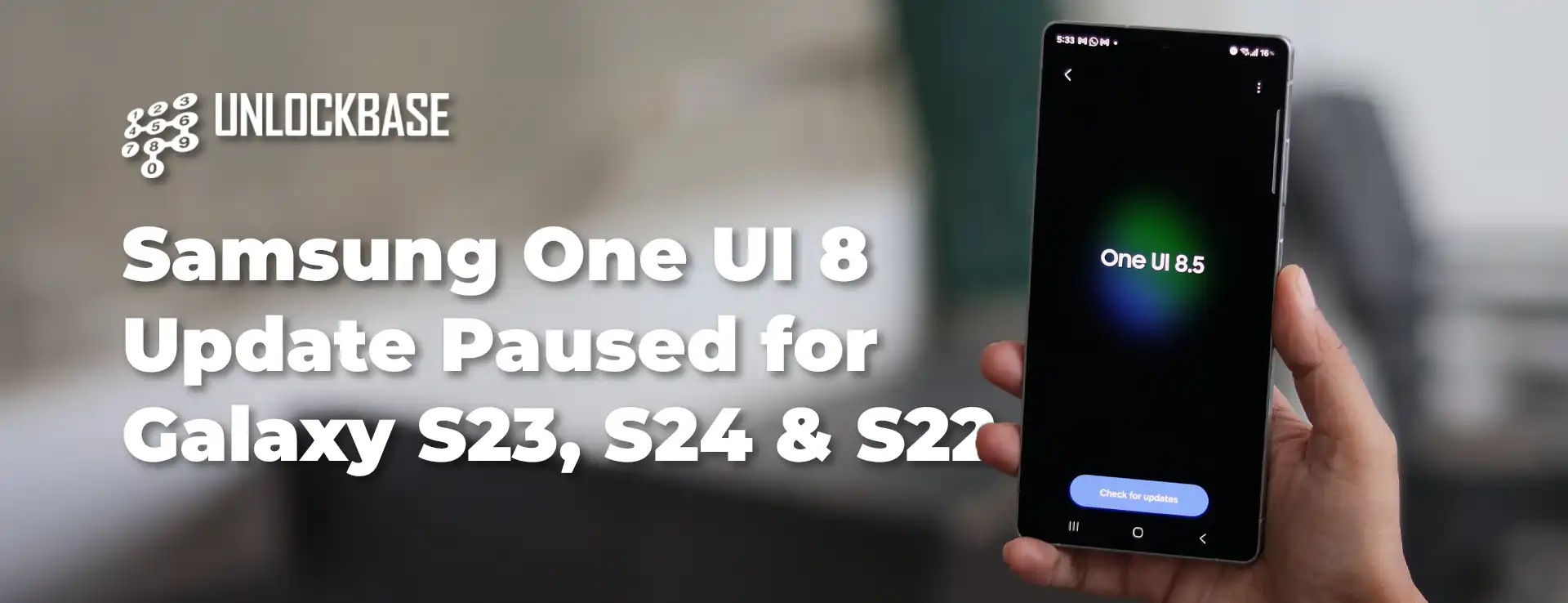
Samsung has paused the One UI 8 update for multiple Galaxy devices, leaving users waiting.
Samsung’s One UI 8 update paused rollout is causing frustration among Galaxy phone owners. The company stopped distributing the Android 16-based update to Galaxy S23 users just two weeks after launch. This Samsung One UI 8 update paused situation now affects multiple device generations.
Galaxy S23 owners can’t download the One UI 8 update right now, according to SammyGuru. The S23 isn’t facing this problem alone. Samsung paused the One UI 8 update for both S24 and S22 series as well. The S22 appears to be catching a break, though.
Why Did Samsung Pause the One UI 8 Update?
Samsung hasn’t explained why the One UI update paused for these devices. The company also hasn’t addressed why the rollout has been so inconsistent. Users eager to experience the latest Android 16 features find this frustrating. However, this cautious approach isn’t new for Samsung.
Earlier this year, Samsung took similar action with One UI 7. The company completely halted its distribution just seven days after launch. The temporary pause eventually led to a full rollout. This suggests Samsung prefers to stop updates rather than risk widespread issues affecting millions of users.
Samsung One UI 8 Update Issues Beyond the S-Series
The Samsung One UI 8 update paused problems don’t only affect the flagship Galaxy S lineup. SammyGuru reports that the Galaxy M55 faces a temporary hold on its update. Meanwhile, the Galaxy Z Fold SE experienced a brief suspension before updates resumed. Neither of these models are sold in the United States.
What Should Galaxy Users Do Now?
If you’re waiting for the Samsung One UI 8 update, here’s what you need to know:
Check your device’s software update section regularly
Don’t attempt to sideload the update from unofficial sources
Consider joining Samsung Members community for the latest news
Galaxy users waiting for the One UI 8 update will need patience. Samsung is working through whatever issues prompted these rollout pauses. Based on previous patterns with One UI 7, the company typically resumes updates within a few weeks after addressing critical bugs.
All products, and company names, logos, and service marks (collectively the "Trademarks") displayed are registered® and/or unregistered
trademarks™ of their respective owners.
The authors of this web site are not sponsored by or affiliated with any of the third-party trade mark or third-party registered trade mark owners,
and make no representations about them, their owners, their products or services.
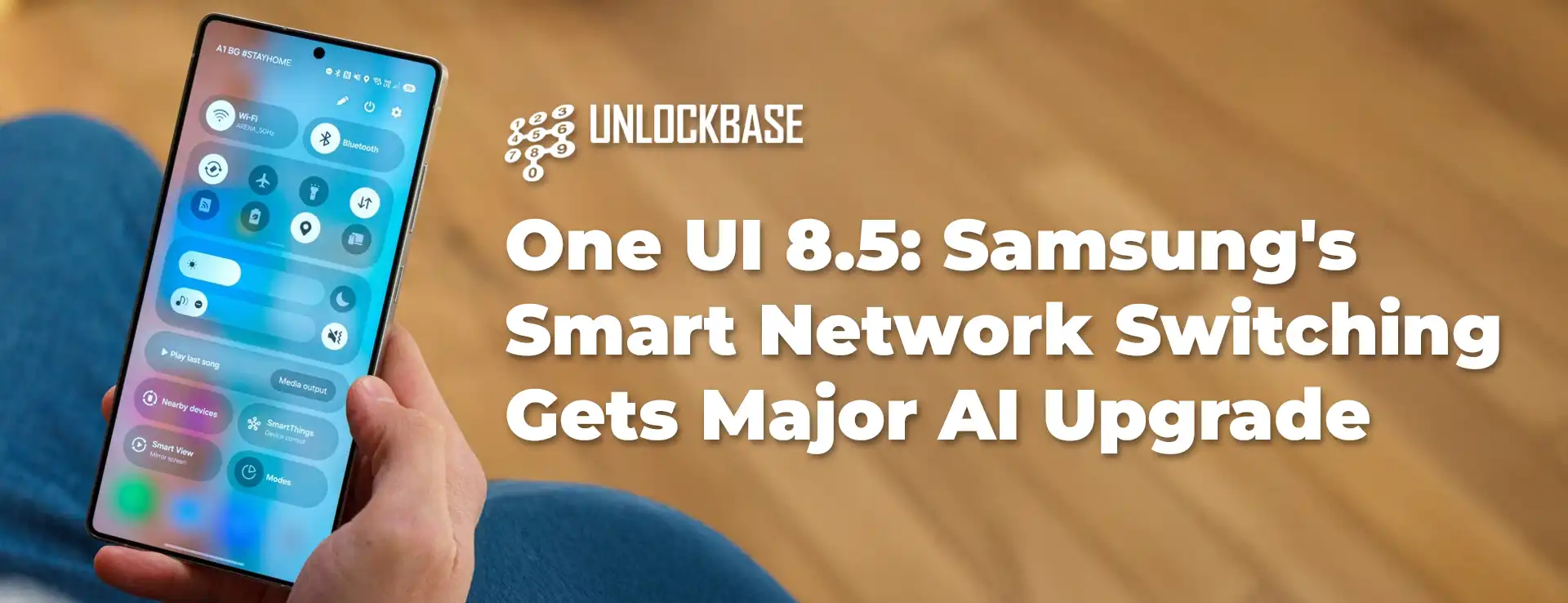
One UI 8.5! Samsung is about to make your phone smarter. The new One UI 8.5 update brings AI network switching. Furthermore, your phone will know when to switch between Wi-Fi and mobile data.
Many Android phones already do this. However, Samsung is taking it further. Moreover, the new features learn from your habits. Let’s explore what makes One UI 8.5 different.
One UI 8.5 : Two New AI-Powered Switching Options
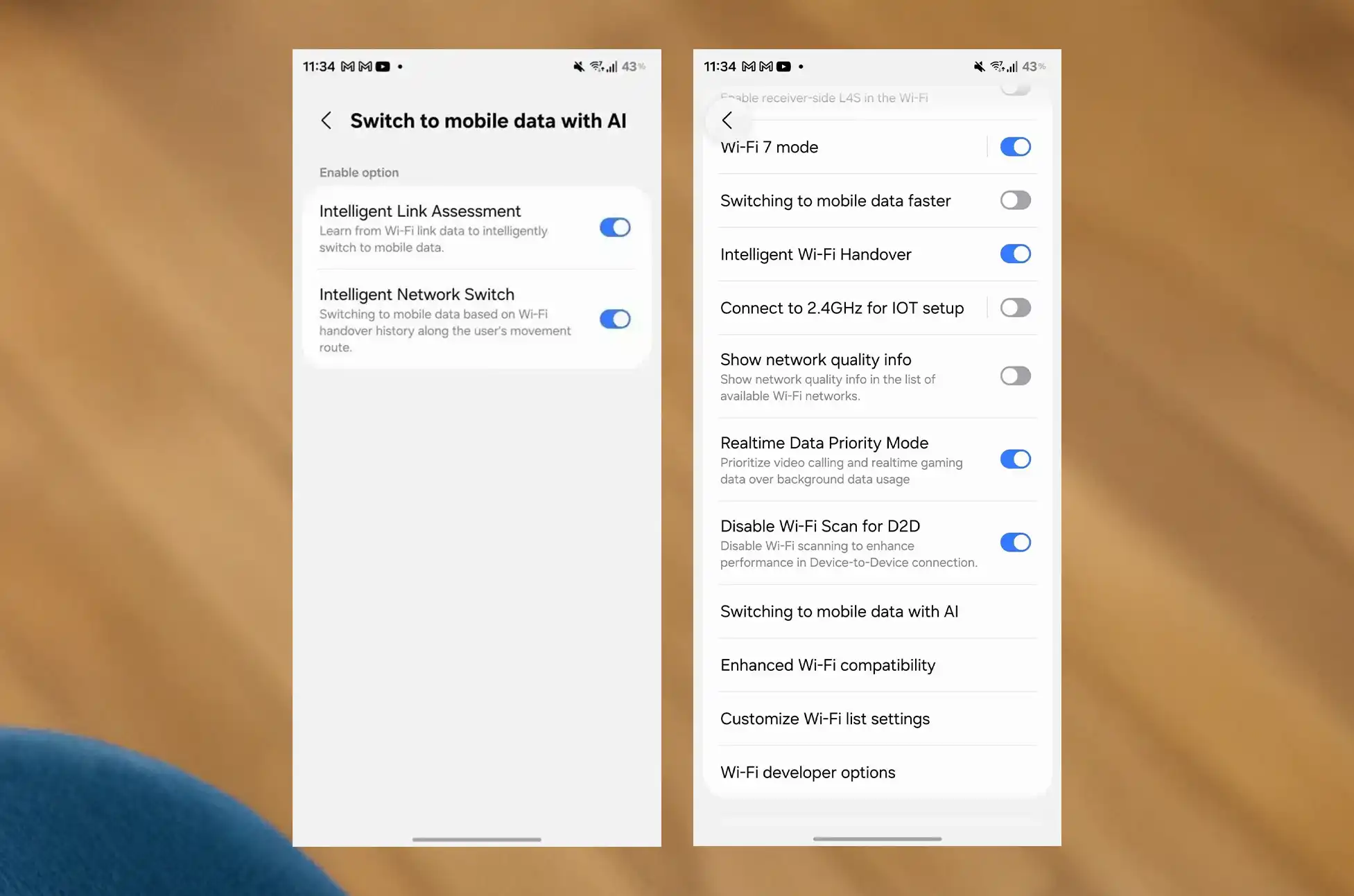
Reports from SammyGuru say One UI 8.5 has two AI toggles. Additionally, these features change how your Galaxy phone handles networks. Meanwhile, both work differently.
Intelligent Link Assessment: Speed-Based Switching
The first toggle is called Intelligent Link Assessment. It switches your phone from Wi-Fi to mobile data. Specifically, your phone checks speed. It also checks delay and signal strength. Then it decides whether to switch.
This is similar to other Android phones. Nevertheless, Samsung’s AI makes it more accurate. Therefore, you get fewer bad switches.
The second toggle is more interesting. It’s called Intelligent Network Switch. Additionally, this feature learns from your behavior.
How does it work? The phone tracks your switch history. Basically, it remembers where you usually switch networks. Then it does it by itself next time.
Here’s an example. You leave home every morning. Your phone switches from home Wi-Fi to mobile data. It happens at the same spot. After a few days, the phone learns this. Consequently, it switches by itself at that spot.
Realtime Data Priority Mode: Better Calls and Gaming
One UI 8.5 also brings Realtime Data Priority Mode. Furthermore, this toggle is in the Wi-Fi settings menu.
What does it do? It gives priority to video calls and gaming. First, your video calls get top priority. Next, gaming traffic comes second. Meanwhile, background downloads wait. Therefore, you get less lag and clearer calls.
This is similar to One UI 8’s Prioritize real-time data toggle. However, more Samsung phones will get this feature. Plus, it helps during important calls and games.
Additional One UI 8.5 Features
Network switching isn’t the only new thing. Additionally, here’s what else to expect:
Double-Tap Back Gesture: Go back with a double-tap
Privacy Display Feature: Better screen privacy
Photosensitive Epilepsy Protection: Reduces triggers for users
Furthermore, these features show Samsung cares about users. Moreover, they make Samsung phones easier to use.
Feature Comparison Table
Feature
How It Works
Best For
Intelligent Link Assessment
Checks Wi-Fi speed and signal
Users with weak Wi-Fi
Intelligent Network Switch
Learns your movement patterns
Daily commuters
Realtime Data Priority Mode
Gives priority to calls and gaming
Remote workers and gamers
Conclusion:
One UI 8.5 shows Samsung’s commitment to smart software. The new network switching features use AI in helpful ways. Moreover, they solve real problems that users face daily.
Intelligent Link Assessment gives you speed-based switching. Meanwhile, Intelligent Network Switch learns your patterns. Additionally, Realtime Data Priority Mode makes sure important tasks get priority.
Do you own a Samsung Galaxy phone? Then One UI 8.5 looks like a good update. Furthermore, the AI learning and smart switching will improve your daily use. Therefore, this update is worth getting when it arrives.
All products, and company names, logos, and service marks (collectively the "Trademarks") displayed are registered® and/or unregistered
trademarks™ of their respective owners.
The authors of this web site are not sponsored by or affiliated with any of the third-party trade mark or third-party registered trade mark owners,
and make no representations about them, their owners, their products or services.