
2025
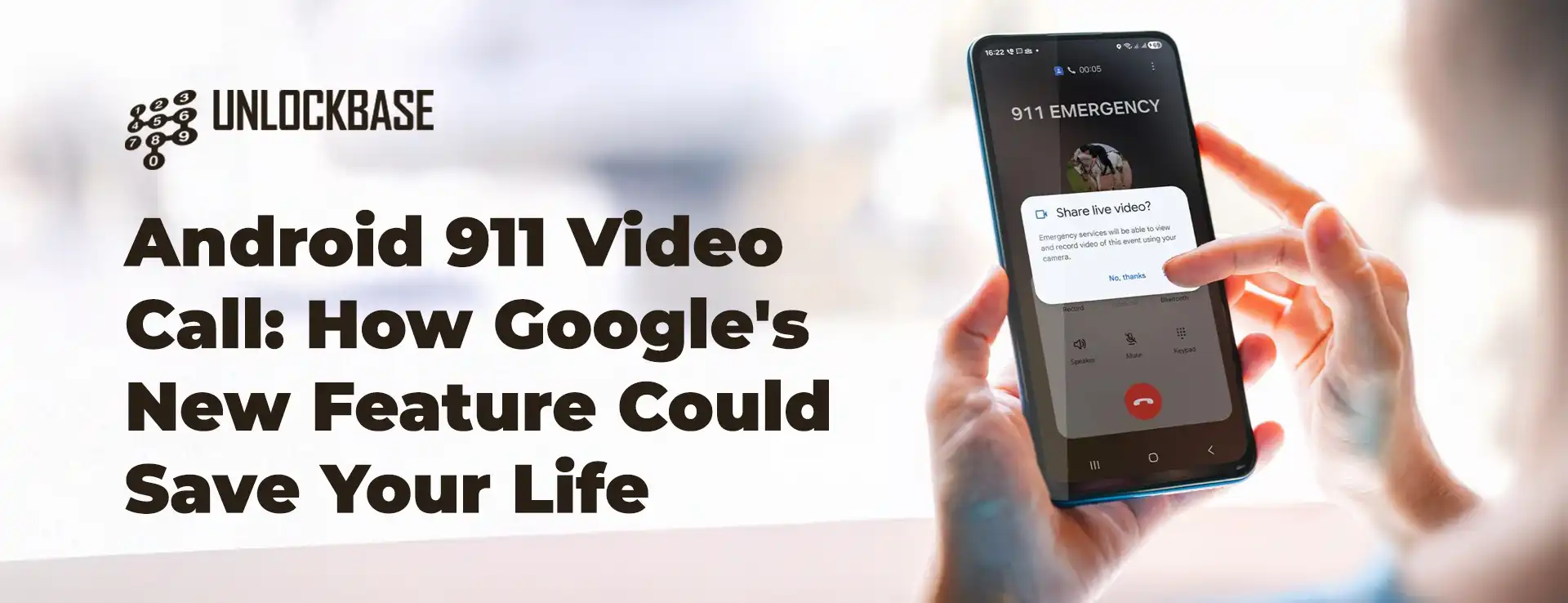
When emergencies strike, every second counts. Google just rolled out a feature that could make the difference between life and death: Android 911 video call capability that lets you share live footage with emergency dispatchers directly from your phone.
What Is Android 911 Video Call?
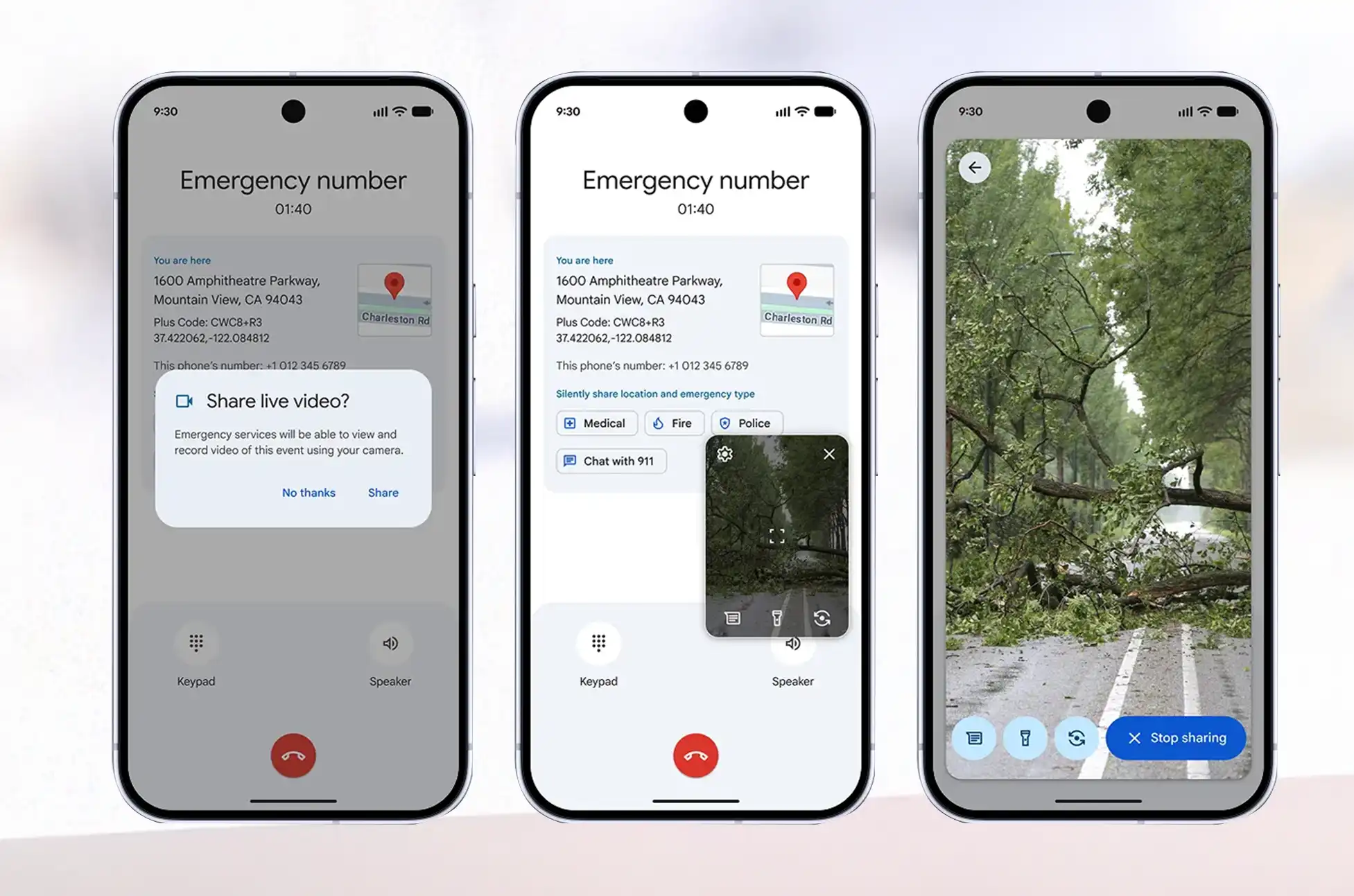
Think of it as FaceTime for emergencies, but smarter. This new safety tool, officially called Android Emergency Live Video, lets emergency dispatchers request access to your phone’s camera during a crisis call. Instead of trying to explain what’s happening while panicking, you can simply show them.
The Android 911 video call technology addresses a critical gap in emergency response. When you’re injured, hiding from danger, or witnessing an accident, describing the scene accurately can be nearly impossible. A live video feed gives first responders the full picture instantly.
How Does the Android 911 Video Call Work?
Here’s the breakdown: when you dial 911, the dispatcher can send a request to access your camera. You maintain full control—nothing happens without your permission. Once you accept, they can see what you’re seeing in real-time through your phone’s camera.
This isn’t just about convenience. Emergency dispatchers can assess medical conditions, identify hazards, verify locations, and send the right resources before responders even arrive on scene.
Device Requirements and Availability
Good news for most Android users: if your phone runs Android 8 or later with Google Play Services installed, you’re covered. That includes devices released since 2017, which means this video call feature reaches hundreds of millions of phones.
The catch? Geography matters right now. Google is launching the feature in the United States first, with limited rollout in specific areas of Germany and Mexico. The company is working with public safety organizations worldwide to expand availability, but there’s no timeline yet for other regions.
Android 911 Video Call : The Road to Launch
Google first hinted at this feature through code spotted in an APK teardown earlier in 2025. They officially confirmed it as part of the November 2025 Play Services update, though details remained scarce. Now the 911 video call capability is actually going live for users who need it most.
Why This Matters
Emergency services have remained surprisingly low-tech compared to other aspects of our digital lives. While we can video chat with anyone across the globe instantly, calling 911 has remained largely voice-only. This feature brings emergency response into the modern era.
For people with speech difficulties, language barriers, or hearing impairments, visual communication can be transformative. The Android 911 video call feature also helps in situations where speaking might put you in danger—domestic violence situations, active shooter scenarios, or medical emergencies where the caller is incapacitated.
Privacy and Security Considerations
Google hasn’t detailed the security protocols yet, but emergency communication systems typically encrypt data and restrict access to authorized personnel only. The opt-in nature of the feature means you decide whether to share video during each emergency call.
Android 911 Video Call : What’s Next?
As Android 911 video call technology expands globally, we’ll likely see it become standard protocol for emergency dispatchers. The technology exists. Now it’s about training, infrastructure, and rolling it out region by region.
If you’re in the US, Germany, or Mexico and run Android 8 or newer, check your Google Play Services to make sure you’re updated. This isn’t a feature you’ll hopefully need—but if you do, it could save your life or someone else’s.
Emergency technology rarely gets this kind of attention, but when it comes to crisis situations, any innovation that helps first responders reach people faster deserves recognition. The Android 911 video call feature represents a genuine step forward in public safety, using technology most of us already carry in our pockets.
All products, and company names, logos, and service marks (collectively the "Trademarks") displayed are registered® and/or unregistered trademarks™ of their respective owners. The authors of this web site are not sponsored by or affiliated with any of the third-party trade mark or third-party registered trade mark owners, and make no representations about them, their owners, their products or services.


Comments are closed.